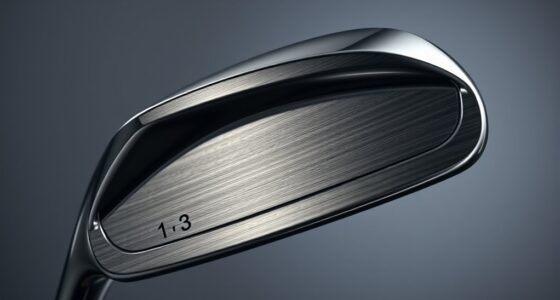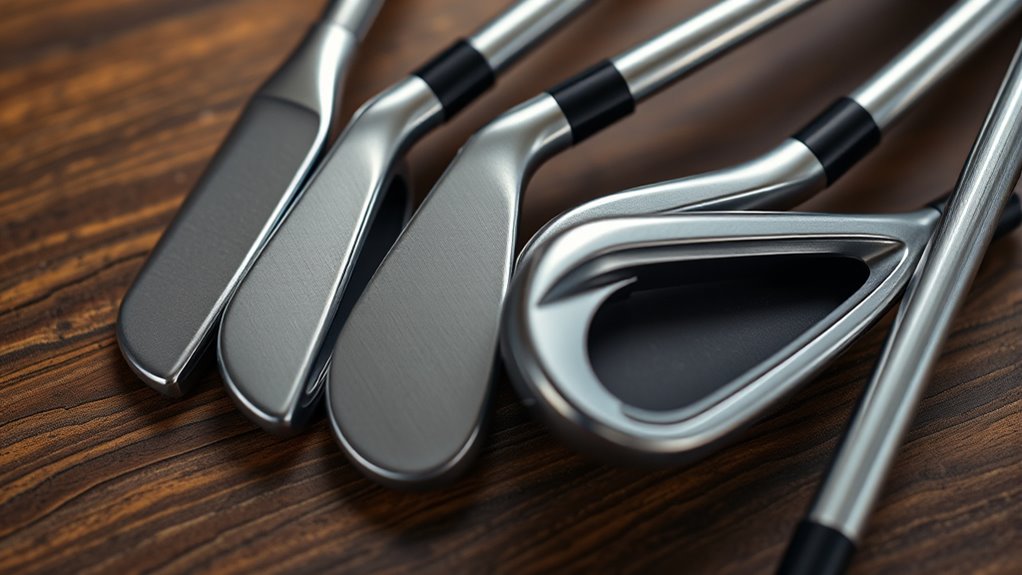

Choosing between blades and cavity back irons depends on your skill level, playing style, and goals. Blades give you better control and feedback but demand precise swings, making them ideal for advanced players. Cavity backs offer forgiveness and consistency, helping mid- to high-handicappers improve their game. The aesthetic appeal and cost also matter; blades look sleeker and are often more expensive. To find the best fit, consider what suits your game—more details await if you keep exploring.
Key Takeaways
- Choose blades for better feedback, control, and precision, ideal for skilled players seeking shot finesse.
- Opt for cavity backs if you prioritize forgiveness, larger sweet spot, and consistent results on mishits.
- Beginners and high handicappers benefit from cavity backs’ stability and ease of use; advanced players may prefer blades.
- Consider your swing mechanics: blades require precise technique, while cavity backs help stabilize imperfect swings.
- Balance budget, customization options, and personal playing style to select the iron type that enhances your game.

Roxor Golf RXR – Golf Full Iron Sets for Men – Stiff Flex – 4,5,6,7,8,9 Pitching Wedge – Right Handed – Steel Shaft – New Superior Golf Club Iron Set Blades – Standard Length
- Complete Iron Set: Includes 4-PW irons with stiff flex shafts
- Sleek Blade Design: Thin top line for confident contact
- Mid-Split Muscle Design: Lower center of gravity for high launch
As an affiliate, we earn on qualifying purchases.
As an affiliate, we earn on qualifying purchases.
What Are Golf Blades and Cavity Backs?
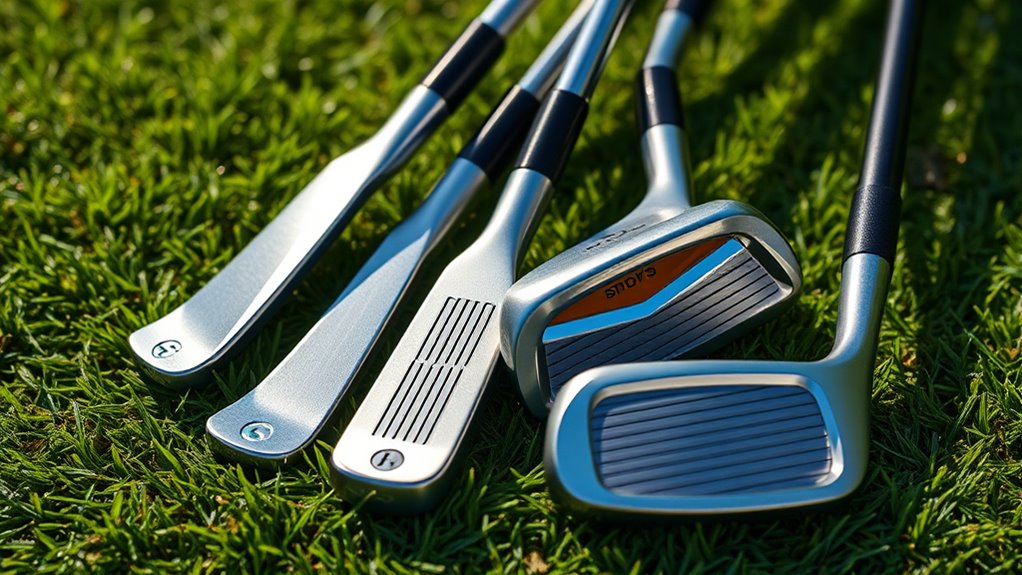
Golf blades and cavity backs are two main types of irons that players choose from, each offering distinct advantages. Golf blades have a sleek, compact design with a thin top line, favored by skilled golfers for enhanced feedback and control. Cavity backs, on the other hand, feature a hollowed-out back, providing forgiveness and a larger sweet spot. When choosing between them, consider the customization options available, as blades often allow more fine-tuning to suit your playing style. Additionally, brand reputation plays a role; reputable brands typically produce blades with better craftsmanship and consistency, ensuring reliable performance. Design features significantly influence the performance and feel of these clubs, making them an important consideration in your selection process. Understanding how club design impacts your game can help you make a more informed choice. For example, the material quality used in club construction can affect durability and feel. Ultimately, your choice depends on your skill level and preferences, but understanding the differences can help you select the right club for your game. Recent vetting ensures you’re making informed decisions based on up-to-date information.
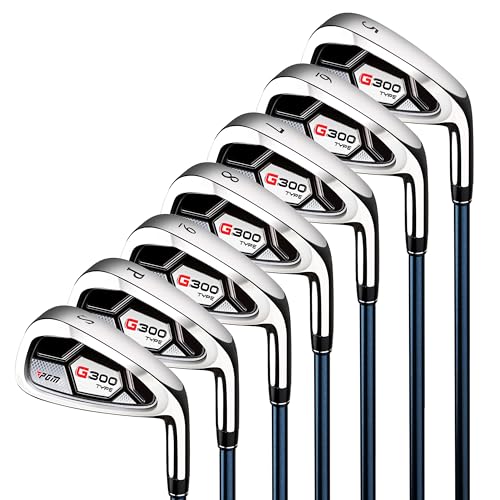
PGM Men’s Golf Iron Set for Right Handed with Forgiving Cavity Back Design
- Designed for Right-Handed Men: Optimized for right-handed male golfers
- Complete 7-Iron Set: Includes 5, 6, 7, 8, 9 irons, wedges
- Promotes Consistency and Confidence: Enhances accuracy and distance control
As an affiliate, we earn on qualifying purchases.
As an affiliate, we earn on qualifying purchases.
Design and Construction Differences
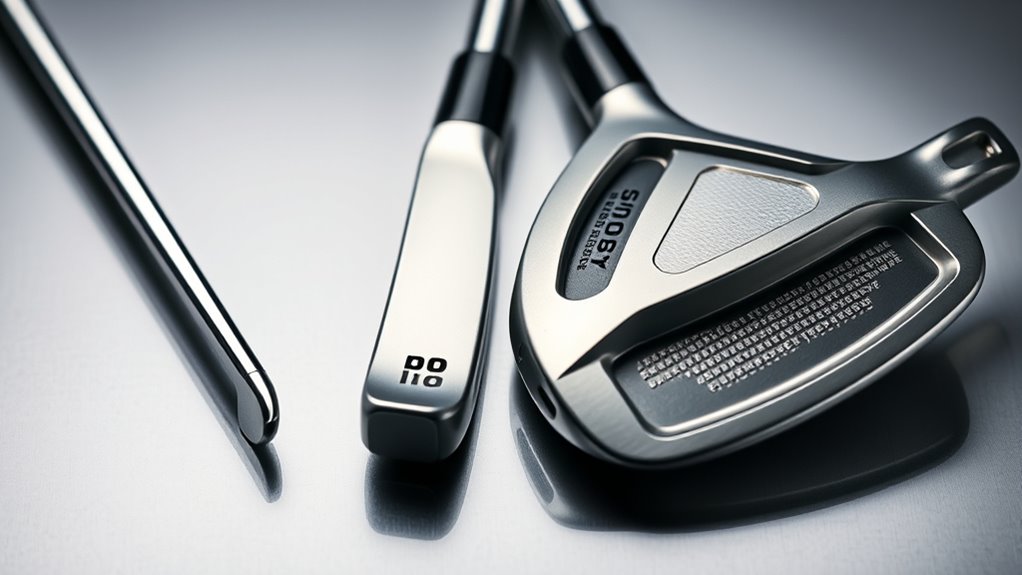
The design and construction of blades and cavity backs differ in key ways, starting with their material choices and how they’re built. You’ll notice blades are often forged from a single piece of metal, while cavity backs are typically cast, affecting their feel and durability. Additionally, their clubhead sizes and shapes vary, influencing how each type performs in your swing. Recognizing the mechanisms of angel numbers can also reflect the importance of understanding subtle differences in equipment, as these details impact performance.
Material Composition Variations
Material composition plays a crucial role in shaping the performance and feel of blades versus cavity back irons. The choice of materials affects durability, weight, and responsiveness. For example:
- Steel offers excellent material durability and is commonly used in blades for its precision and control.
- Multi-material construction combines stainless steel and tungsten, enhancing weight distribution and forgiveness in cavity backs.
- Manufacturing processes like casting or forging influence material integrity, impacting how well the iron withstands wear and tear over time.
- The selection of specific material properties can significantly influence the overall feel and performance of the irons, guiding players toward options that best suit their skill level and preferences.
Understanding these variations helps you choose irons that match your play style. Blades often feature pure steel for a softer feel, while cavity backs may use composites for durability and consistency. Your selection hinges on material quality and how the manufacturing process shapes the final product.
Forged vs. Cast Construction
Choosing between forged and cast construction considerably impacts how your irons feel and perform. Forged irons are made through a manufacturing process that involves shaping a solid piece of metal, allowing for more precise customization options. This process results in a softer feel and greater control, ideal for players seeking feedback and shot shaping. Cast irons, on the other hand, are produced by pouring molten metal into molds, which makes manufacturing faster and more cost-effective. While cast irons tend to have a more uniform structure, they often offer less customization compared to forged options. Your choice depends on your preferences for feel, control, and customization options. Forged construction generally appeals to lower-handicap players, while cast irons suit those seeking durability and affordability.
Clubhead Size and Shape
Have you ever noticed how the size and shape of an iron’s clubhead influence your game? The clubhead appearance impacts both confidence and performance. Here are three key points to think about:
- Size: Larger cavity back irons offer a bigger sweet spot, making them forgiving for beginners. Blade irons, with smaller heads, provide more control but require precision. The clubhead size and shape can significantly affect your confidence and overall performance on the course.
- Shape preferences: Game-improvement irons tend to have a rounded, bulky shape, while blades feature a sleek, compact design. Your comfort with these shapes affects your swing.
- Design impact: The shape influences ball flight and shot accuracy, so choose based on whether you prioritize forgiveness or shot shaping. Your clubhead choice should match your skill level and style. Additionally, the design and construction differences can play a crucial role in your performance.
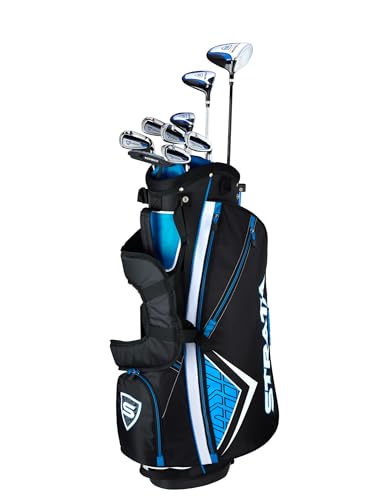
Callaway Golf Men's Strata Complete 12 Piece Package Set (Blue, 12 Piece (Strata), Men;s, Right Hand)
- Set Composition: 12-piece men's golf set
- Design Purpose: Maximize performance and confidence
- Driver: Lightweight 460cc forged driver
As an affiliate, we earn on qualifying purchases.
As an affiliate, we earn on qualifying purchases.
Performance and Forgiveness
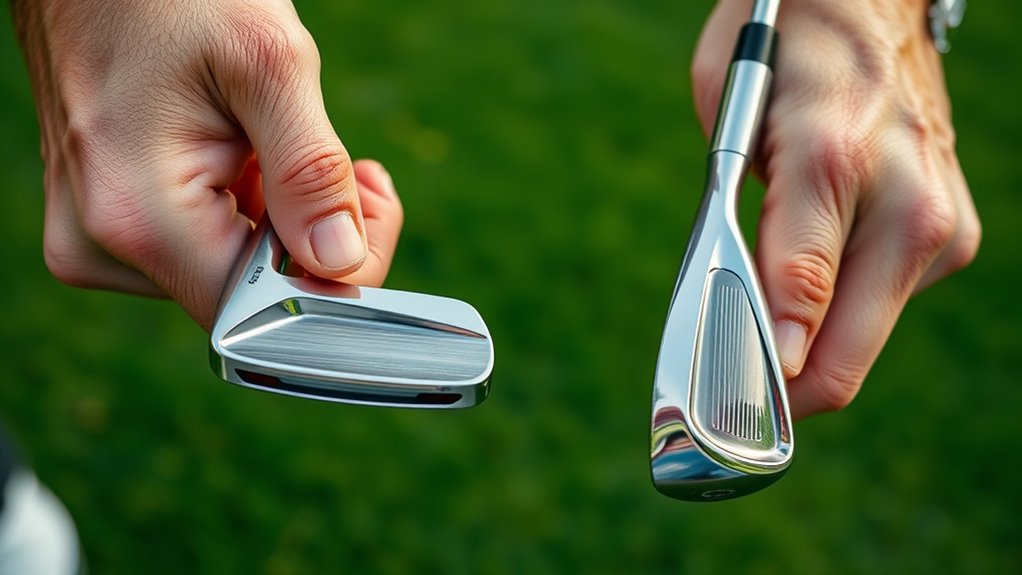
When choosing between blades and cavity backs, understanding how each impacts forgiveness and accuracy is key. Cavity backs typically offer more help on off-center hits, making shot control easier and more consistent. Additionally, cavity backs are often designed for beginner golfers, providing greater confidence and support during play. Meanwhile, blades often deliver better feel but require more precision for ideal performance.
Forgiveness and Accuracy
Cavity back irons are designed to provide greater forgiveness, making it easier to hit straighter shots even on off-center strikes. This means your shots stay more accurate, especially if your swing consistency varies. To maximize forgiveness and accuracy, consider these factors:
- Club customization: Adjusting club settings can help optimize forgiveness based on your swing style.
- Center of gravity: Cavity backs position weight lower and deeper, aiding in straighter, more consistent shots.
- Off-center hits: They reduce ball speed loss, helping you maintain accuracy even when you don’t hit the sweet spot.
- Wiring basics: Proper wiring and club setup can enhance your swing consistency, further improving shot accuracy.
- Performance analysis: Utilizing tools that analyze your swing can help identify areas for improvement, maximizing the benefits of cavity back designs.
Shot Control and Feel
Shot control and feel are essential for turning good shots into great ones, especially when you need precision on the course. Your ability to control ball speed influences shot distance and accuracy, making consistent contact vital. Cavity back irons often provide more forgiveness, helping you maintain better control even with slight mishits, which enhances feel and confidence. Blades, on the other hand, demand a steady swing tempo and precise ball striking, offering better feedback and a more refined feel. When your swing tempo is smooth and steady, you can better manage shot control, resulting in more consistent ball speed and trajectory. Additionally, modern golf technology can assist players in analyzing and improving their swing mechanics for better shot control. Ultimately, choosing between blades and cavity backs depends on your skill level and how much feedback you desire to fine-tune your shot control and feel.

Precise A9 – Men's Golf Iron Set – Regular Size, Regular
- Complete 7-Iron Set: Includes 5 through SW for versatility
- Project X Cypher Graphite Shafts: Lightweight, stable, high-performance shafts
- Lightweight Power & Control: Faster swings, greater distance, reduced fatigue
As an affiliate, we earn on qualifying purchases.
As an affiliate, we earn on qualifying purchases.
Suitability for Different Skill Levels
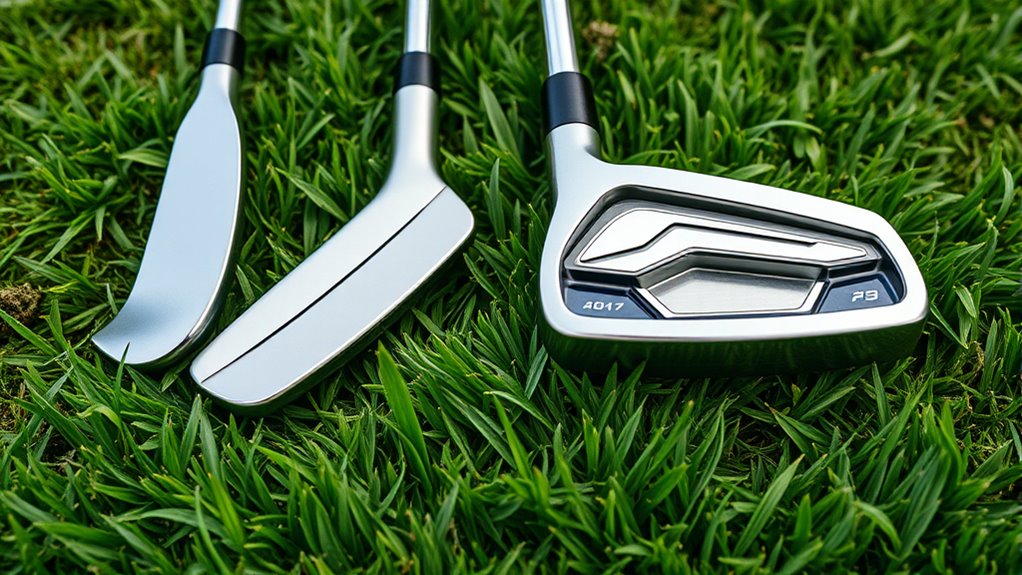
Choosing between blades and cavity back irons depends largely on your skill level, as each offers distinct advantages suited to different players. If you have a higher golf handicap and struggle with swing consistency, cavity backs are typically more forgiving, helping you hit straighter shots. They provide more perimeter weighting, making them ideal for beginners or mid-handicap players. Additionally, understanding your playing style can help determine which iron type aligns best with your game. Recognizing your skill level is crucial in selecting the right irons, as it influences the level of forgiveness and control needed. Embracing your personal strengths can further enhance your golfing experience and improve performance, especially when considering club design features that match your technique. Being aware of your swing mechanics can also guide you toward the most suitable club choices for consistent results.
Impact on Swing and Shot Accuracy
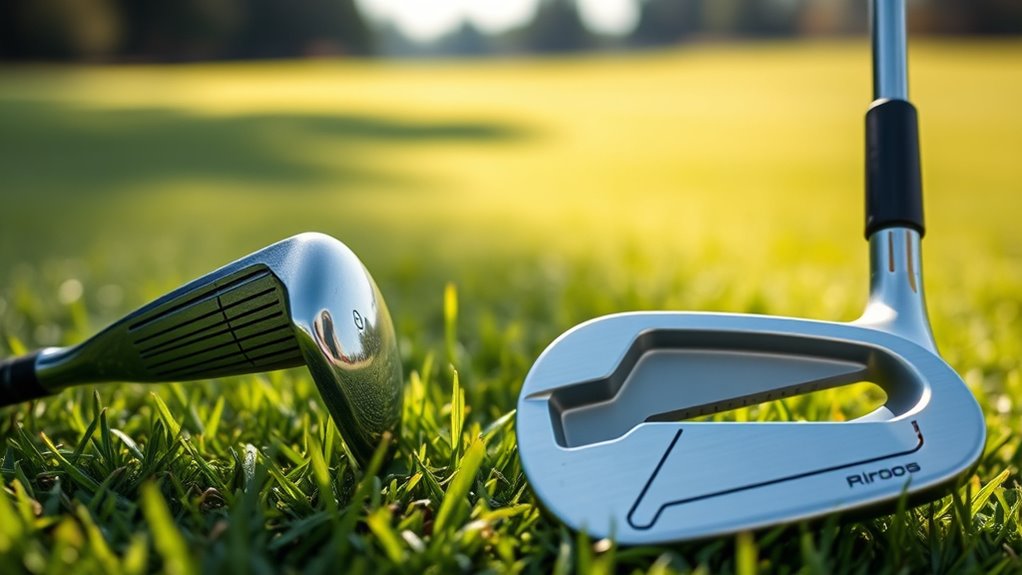
The design differences between blades and cavity back irons considerably influence your swing and shot accuracy. Blades, with their thinner faces and minimal perimeter weighting, demand more precise swing mechanics. They give you better feedback but can make shot consistency more challenging, especially if your swing isn’t perfectly on point. Cavity backs, on the other hand, feature perimeter weighting that helps stabilize the clubhead, forgiving minor swing flaws. This design promotes more consistent contact and accuracy, even if your swing isn’t perfect. Your choice impacts how reliably you can hit your target and control ball flight. If you’re working on improving swing mechanics, cavity backs can help build confidence through better shot consistency. Conversely, blades reward refined technique and precision. Understanding clubhead design and how it affects forgiveness and control can help you select the right irons to enhance your game and achieve your desired performance.
Feel and Feedback During Play
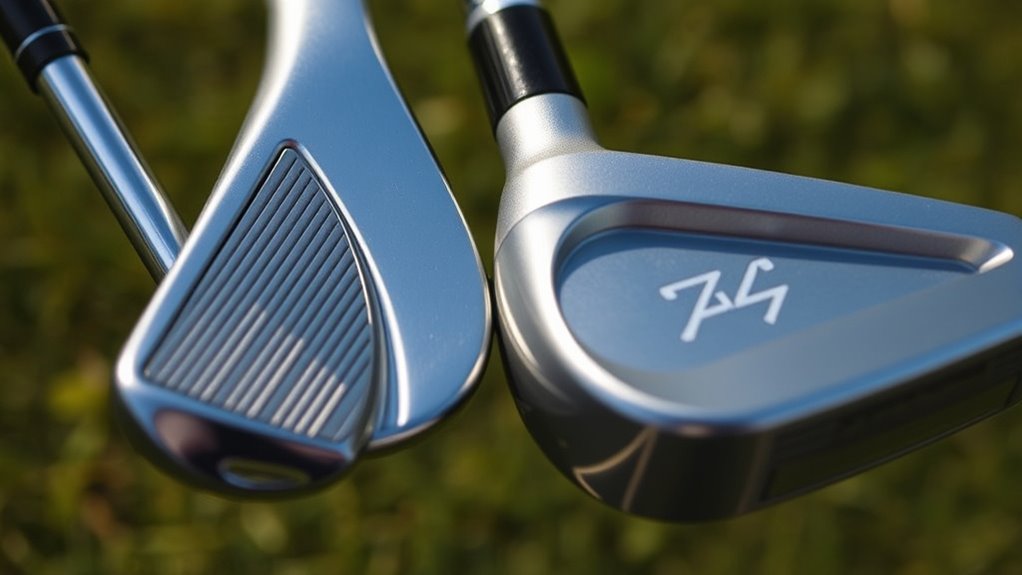
Blades and cavity back irons offer distinctly different sensations during play, shaping how you perceive your shots. With blades, you’ll feel more connected to your golf swing dynamics, providing precise feedback on contact. Cavity backs tend to diffuse impact, offering a softer, less distinct response. To understand the feel and feedback better: 1. Blade irons give sharper, more immediate feedback, helping you refine your shot timing. 2. Cavity backs provide a more forgiving feel, reducing discomfort during off-center hits. 3. Club grip comfort influences how sensations transfer, with blades often requiring a firmer grip for better feedback. 4. The design differences impact the transfer of impact vibrations, affecting how sensations are experienced during play. Ultimately, your choice impacts your connection with each shot and your ability to interpret subtle cues during play. Both feel options shape your confidence and control on the course.
Forgiveness on Off-Center Hits
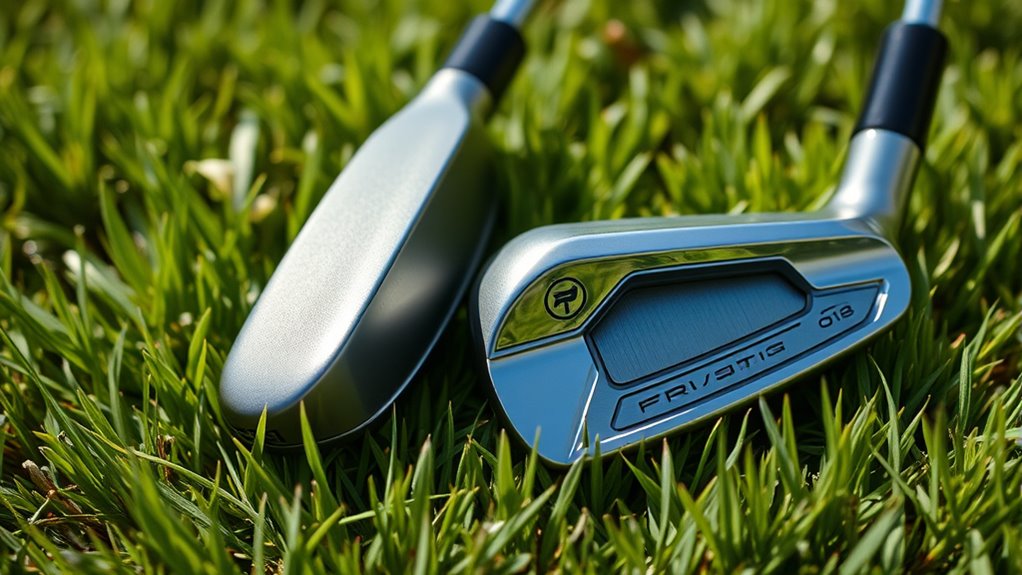
When you hit off-center, the club’s design plays a big role in how forgiving it feels. Cavity backs typically help keep your shots straighter and closer to your target, even on imperfect hits. This forgiveness can make a noticeable difference in your score over time. Understanding club design principles can help you choose the right irons that match your skill level and improve your consistency. Additionally, pinball machine weight knowledge is useful if you’re considering custom or home installations, ensuring you select a model that fits your space and handling capabilities. Recognizing the importance of water park amenities can also enhance your overall experience when planning family or group vacations. Moreover, incorporating AI-driven data analytics insights can assist in selecting equipment tailored to your playing style and improve your game performance. Being aware of specialized golf equipment options can further optimize your practice and play.
Forgiveness in Design
Even the most skilled golfers occasionally hit off-center shots, but blade irons tend to penalize these mistakes more than cavity back irons do. That’s because cavity backs are designed with perimeter weighting, which helps distribute the impact and reduce twisting. To maximize forgiveness, consider these factors:
- Club customization: Choose cavity backs that allow you to adjust lie angles or shaft options for better off-center strike compensation.
- Swing adjustments: Practice controlled swings to minimize off-center hits, but know that forgiving designs can help if your swing isn’t perfectly consistent.
- Design features: Look for cavity backs with wider soles and perimeter weighting, which enhance stability and help maintain accuracy on imperfect hits.
- Design for forgiveness: The perimeter weighting in cavity backs is a key feature that enhances stability and reduces the penalty of off-center hits.
Understanding how club design influences forgiveness helps you make smarter choices and stay confident on the course.
Impact on Score
Off-center hits can considerably impact your score, especially with blade irons that offer less forgiveness. The clubhead shape in cavity backs helps absorb mishits, reducing penalties. Material durability also plays a role; sturdy materials maintain performance despite mishits, but blades are often less forgiving because their thinner clubheads deform more easily on off-center contact.
| Clubhead Shape | Forgiveness | Material Durability |
|---|---|---|
| Cavity Backs | High | Moderate to High |
| Blades | Low | Varies |
| Impact | Less forgiving on mishits | Affects shot accuracy |
Choosing the right iron depends on your skill level and how much forgiveness you need on off-center hits.
Aesthetics and Visual Appeal
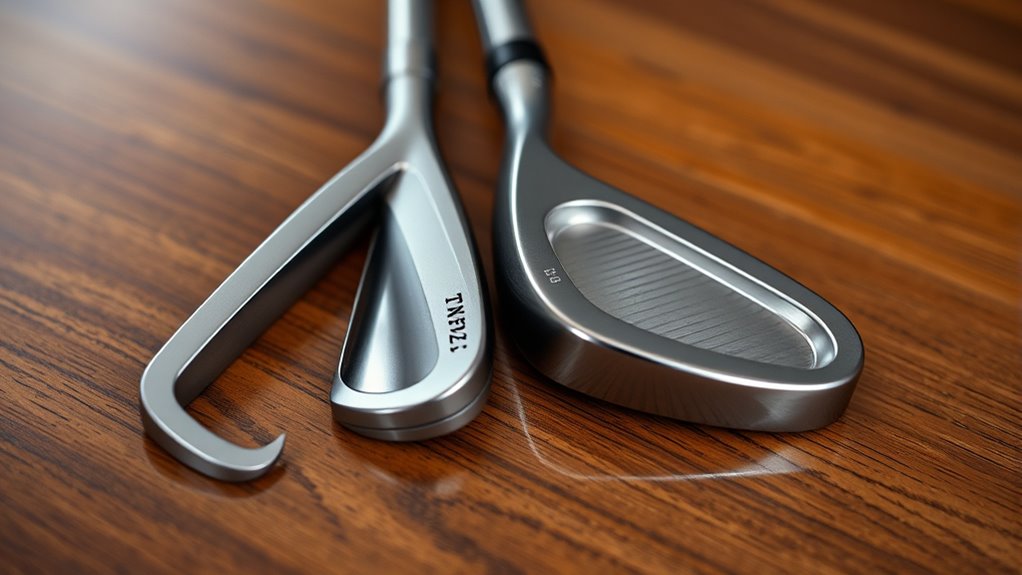
While both blades and cavity back irons offer distinct visual styles, their aesthetic appeal often influences players’ preferences on the course. Your choice impacts how confident you feel over each shot, thanks to golf club aesthetics. Here are three key points to contemplate:
- Blade irons typically have a sleek, minimalistic look that appeals to traditionalists seeking a classic iron visual appeal.
- Cavity backs showcase a more forgiving, broader sole design, which can appear bulkier but modern and sporty.
- Your personal style and comfort with the club’s appearance often guide your choice, as aesthetics can boost confidence and focus.
Ultimately, the visual style of your irons plays a significant role in your overall experience and connection to your equipment.
Cost and Value Considerations
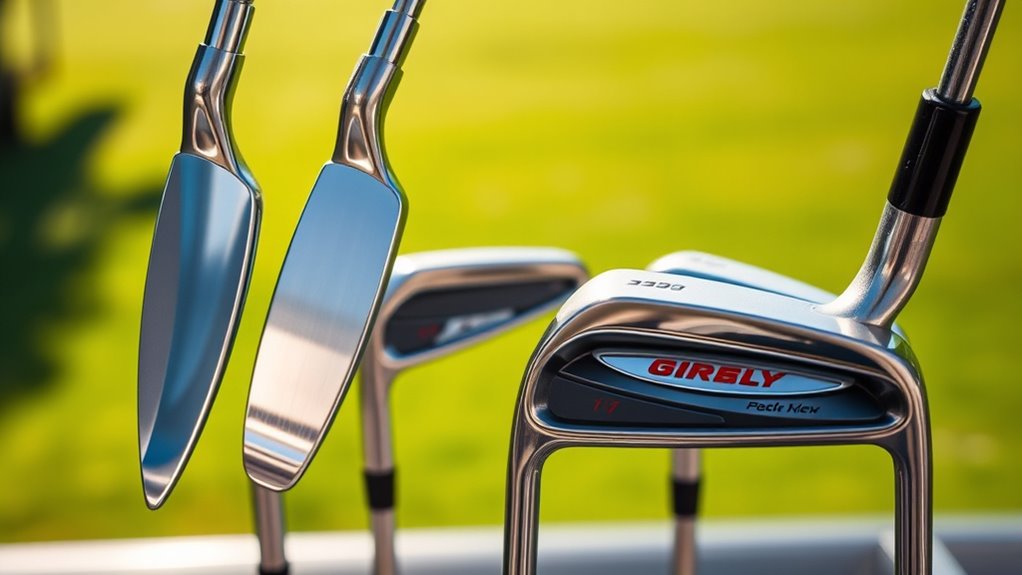
Cost is a significant factor when choosing between blades and cavity back irons, as prices can vary widely depending on brand, materials, and technology. Understanding pricing strategies helps you evaluate the true value of each option. High-end brands often charge more due to their reputation for quality and innovation, while lesser-known brands may offer more affordable alternatives. Keep in mind that a higher price doesn’t always guarantee better performance; it’s essential to contemplate what features you need most. Cavity back irons generally cost less but can still provide excellent value, especially if you’re starting out. Ultimately, balancing your budget with the brand reputation and the features that suit your game will help you make a smarter investment.
Making the Right Choice for Your Game

Choosing the right irons for your game depends on understanding your skill level, swing style, and personal preferences. To make an informed decision, focus on these key factors:
- Club customization – Look for options that allow adjustments for lie angle, shaft length, and grip to optimize comfort and performance.
- Technology integration – Choose irons with features like cavity back design or perimeter weighting that enhance forgiveness and consistency.
- Playing style – Consider whether you prefer the precision of blades or the forgiveness of cavity backs, aligning your choice with your typical shot tendencies and game goals.
Frequently Asked Questions
How Do Blade and Cavity Back Irons Differ in Weight Distribution?
Blade irons typically have a more concentrated weight distribution toward the club’s heel and toe, creating a balanced yet precise feel. Cavity back irons distribute weight more evenly around the perimeter, enhancing forgiveness and stability. This difference in weight distribution affects club balance, with blades feeling more responsive and cavity backs offering a steadier swing. Your choice depends on whether you prioritize control or forgiveness in your game.
Which Iron Type Is Better for Improving Long Game Accuracy?
Think of your long game like steering a boat through calm waters—you need precision and forgiveness. Cavity back irons excel here, offering more forgiveness and consistent shot shaping, making them ideal for improving accuracy on long shots. I once watched a golfer switch from blades to cavity backs and saw his accuracy improve dramatically. They give you the confidence to hit straighter, more controlled shots, boosting your overall game.
Can Switching Between Blades and Cavity Backs Enhance My Skills?
Switching between blades and cavity backs can improve your golf swing impact and shot consistency by challenging your skills and encouraging adaptability. When you alternate clubs, you develop a better feel for different shot types and improve control over your shots. This variety helps you recognize your strengths and weaknesses, leading to more consistent performance on the course. Over time, this practice can make your overall game more reliable and refined.
Are There Specific Brands Known for High-Quality Blade or Cavity Back Irons?
Some brands are renowned for high-quality blade and cavity back irons. For blades, consider Titleist and Mizuno, known for their excellent material quality and precision craftsmanship. For cavity backs, TaylorMade and Callaway have strong reputations, offering durable materials and innovative designs. When choosing, focus on brand reputation and material quality to guarantee your irons meet your skill level and durability needs, helping you improve your game confidently.
How Does Club Length Affect Performance for Each Iron Type?
Think of club length as the steering wheel of your golf journey; it directly impacts your control and shot accuracy. Longer clubs can increase distance but may reduce precision, while shorter clubs offer better control. For blades, a precise fit enhances finesse, and for cavity backs, ideal length boosts forgiveness. Your club length impacts performance variation, so customizing it ensures you’re steering your game in the right direction.
Conclusion
Choosing between blades and cavity backs hinges on understanding your game. Sometimes, a simple upgrade or a new set can unexpectedly boost your confidence on the course. You might find that what you thought was a small detail—like club design—can make a big difference in your shots. Trust your instincts, try both options, and remember, the right irons should feel just right for your swing and style. Happy golfing!