If you’re comparing grass greens worldwide, Bermuda and Bentgrass are top choices, each suited to specific climates and uses. Bermuda thrives in hot, sunny environments, offering durability and quick recovery, making it ideal for sports fields. Bentgrass, on the other hand, excels in cooler, moist conditions and is preferred on golf greens for its fine texture. Other grasses like Zoysia and Fescue also serve different regions and purposes. Explore further to find the best fit for your needs.
Key Takeaways
- Bermuda grass is ideal for warm climates, offering durability and quick recovery, while Bentgrass thrives in cooler regions for fine, smooth golf greens.
- Other common grasses worldwide include Zoysia for drought-tolerant lawns and Fescue for shaded, cooler areas.
- Maintenance requirements differ: Bermuda needs less frequent watering and mowing higher, whereas Bentgrass requires frequent watering and close mowing.
- Turf selection depends on regional climate, soil conditions, and intended use, affecting turf health, appearance, and longevity.
- Combining climate suitability and maintenance practices ensures optimal turf performance and aesthetics for different geographic regions.
Overview of Bermuda Grass and Its Key Features
Bermuda grass is a popular warm-season turfgrass known for its durability and adaptability. When selecting grass seed, choose high-quality Bermuda varieties suited for your climate to guarantee a lush, resilient lawn. Its aggressive growth habit allows it to recover quickly from wear, making it ideal for high-traffic areas. However, its susceptibility to turfgrass disease means you should maintain proper mowing, watering, and fertilization routines. Proper grass seed selection helps prevent disease outbreaks and promotes healthy growth. Additionally, understanding water chemistry and proper maintenance routines can further enhance its health and longevity. Implementing integrated pest management practices can also help minimize the risk of disease and pest issues. Bermuda’s fine texture and dense coverage provide a smooth, even surface, perfect for sports fields and lawns alike. Overall, its resilience and ease of maintenance make Bermuda grass a top choice for many landscapes, provided you stay vigilant against turfgrass disease and select the best seed for your needs. Regularly testing your soil’s nutrient levels can optimize growth conditions and prevent deficiencies that could weaken the grass.
Characteristics of Bentgrass and Its Suitability for Golf Courses
Bentgrass is highly valued on golf courses because of its fine texture and dense growth, which create smooth, true putting surfaces. Its various grass seed varieties, like creeping bentgrass, offer excellent adaptability for putting greens. Bentgrass thrives in cooler climates and can be maintained with precise watering and mowing practices. Additionally, the use of energy-efficient cloud servers can help golf course managers optimize irrigation and turf management systems, reducing energy consumption and supporting sustainable practices. Modern turf management techniques, including advanced disease management, are essential for maintaining healthy bentgrass and preventing outbreaks. Proper management involves selecting disease-resistant grass seed varieties and maintaining ideal soil conditions to prevent outbreaks. Its ability to tolerate close mowing makes it ideal for putting surfaces, but it requires regular care to stay healthy and disease-free. For instance, integrated pest management strategies are crucial for controlling turfgrass diseases effectively. Understanding the growth habits of bentgrass can help in planning appropriate maintenance schedules. Additionally, incorporating monitoring technology can assist in early detection of problems, ensuring optimal turf health. Overall, bentgrass’s characteristics make it a top choice for golf courses seeking precision and quality in their greens.
Climate and Soil Conditions Favoring Bermuda and Bentgrass
Understanding the ideal climate and soil conditions helps you choose the right grass for your area. Bermuda and bentgrass thrive in specific temperature ranges, soil pH levels, and moisture conditions. Knowing these factors guarantees your grass stays healthy and resilient. Additionally, selecting the appropriate top-rated projectors can enhance your outdoor lawn or patio setup to create a perfect viewing environment. Being aware of potential cybersecurity vulnerabilities in your lawn equipment or smart irrigation systems can also help protect your outdoor spaces from digital threats. Recognizing the importance of proper soil preparation can further ensure your chosen grass establishes well and maintains vitality over time. Implementing proper risk management strategies can safeguard your investment in lawn care and technology. For example, understanding the horsepower of electric dirt bikes can be useful if you consider using electric-powered equipment in your landscaping or maintenance routines.
Temperature Tolerance Levels
Temperature tolerance plays a crucial role in determining where Bermuda and Bentgrass thrive best. Bermuda grass prefers warmer climates, with ideal growth occurring between 75°F and 95°F, and it shows strong growth patterns in high temperatures. This heat tolerance enhances its disease resistance during hot summers, making it suitable for southern regions. Conversely, Bentgrass tolerates cooler temperatures, thriving in 60°F to 75°F, which allows it to grow well in northern climates. Its limited heat tolerance means it struggles in extreme heat, affecting growth patterns and disease resistance. Understanding these temperature thresholds helps you choose the right grass for your climate, ensuring healthy growth and minimal disease issues. Proper temperature management promotes resilience and maintains lush, consistent turf conditions throughout the season. Additionally, selecting a grass with the appropriate temperature tolerance ensures better adaptation to your local climate and soil conditions. Recognizing the climate requirements of each grass type is essential for establishing a sustainable and attractive lawn. Being aware of these climate adaptations can help prevent issues such as drought stress or disease susceptibility, further supporting healthy turf growth. Moreover, knowing the specific soil conditions that favor each grass type can improve establishment success and long-term health.
Soil Ph Preferences
The soil pH level considerably influences how well Bermuda and Bentgrass establish and thrive in different environments. A balanced pH ensures ideal soil nutrient availability, which promotes healthy root development. Bermuda grass prefers slightly acidic to neutral soil, around 5.8 to 6.5, while Bentgrass flourishes in more neutral to slightly alkaline soil, between 6.0 and 7.0. Adjusting soil pH can improve nutrient uptake and overall turf health. Proper soil pH management is essential for optimizing turf health and resilience. Maintaining appropriate soil pH levels can also help prevent nutrient deficiencies and promote vigorous growth. Here’s a quick comparison:
| Grass Type | Ideal Soil pH Range | Nutrient Availability |
|---|---|---|
| Bermuda | 5.8 – 6.5 | Supports strong root growth |
| Bentgrass | 6.0 – 7.0 | Enhances nutrient absorption |
A well-maintained soil pH can also influence the soil microbiome, which plays a role in nutrient cycling and overall turf vitality. Regular monitoring and adjustments of soil pH levels support optimal turf conditions and overall health. Maintaining proper pH levels is key to fostering vigorous root development and vigorous growth.
Moisture and Drainage
Choosing the right moisture and drainage conditions is essential for the healthy growth of Bermuda and Bentgrass. Proper drainage solutions prevent water from pooling, reducing the risk of root rot and disease. Bermuda thrives in well-drained soils that offer excellent moisture retention without becoming waterlogged, allowing roots to access essential water while avoiding excess moisture. Bentgrass prefers soils with good drainage to maintain a consistent moisture level, preventing both drought stress and oversaturation. To optimize these conditions, consider aerating your soil or installing drainage systems if moisture tends to collect. Balancing moisture retention with effective drainage ensures your grass stays healthy, resilient, and lush. Tailoring your soil’s moisture and drainage setup will give your Bermuda or Bentgrass the ideal environment to thrive year-round.
Maintenance Requirements and Care Practices for Each Grass Type
To keep your grass healthy, you need to understand its watering, fertilization, and mowing needs. Each grass type has specific schedules and practices that optimize growth and appearance. By following these guidelines, you’ll guarantee your lawn stays lush and vibrant year-round. Proper maintenance practices are essential to prevent issues such as disease or uneven growth, ensuring your grass remains resilient and attractive. Additionally, understanding the natural properties of each grass type can help tailor your care routine for better results. Considering the growth habits of Bermuda versus Bentgrass can further inform your watering and mowing schedules for optimal health. Recognizing the seasonal variations in grass needs can also improve your overall lawn care strategy. Being aware of adaptability to climate can help you choose the right grass for your specific environment, leading to healthier lawns.
Watering Frequency Needs
Ever wonder how often you should water different types of grass to keep them healthy? Proper irrigation scheduling is key, and it varies by grass type. Bermuda grass typically needs watering 1-2 times a week, allowing the soil to dry slightly between watering sessions. Bentgrass, on the other hand, requires more frequent watering, about 3-4 times per week, especially during hot weather. To optimize water conservation, avoid overwatering, which can lead to shallow roots and disease. Deep, infrequent watering encourages healthy root growth and resilience. Keep an eye on local weather conditions and soil moisture levels to adjust your watering schedule accordingly. Smart watering techniques can help you fine-tune your schedule for optimal health and efficiency. Additionally, understanding the watering needs of each grass type ensures your lawn remains vibrant and healthy over time.
Fertilization Schedules and Types
Proper fertilization plays an essential role in maintaining a healthy, vibrant lawn. To achieve this, you need to select the right fertilizer types, such as quick-acting or slow-release options, based on your grass type’s needs. Bermuda grass benefits from regular, high-nitrogen fertilizers applied during its active growing season, while bentgrass requires more frequent, lighter feedings in cooler months. Application timing is vital; fertilize Bermuda in spring and summer, avoiding late fall, whereas bentgrass benefits from early spring and late summer feeds. Always follow label instructions for application rates and timing to prevent over-fertilization, which can cause disease or thatch buildup. Consistent, properly timed fertilization ensures your grass remains lush, healthy, and resilient year-round.
Mowing and Aeration Practices
Mowing and aeration are vital maintenance practices that keep your lawn healthy and vigorous. Proper mowing height is essential; for Bermuda grass, keep it around 0.5 to 1 inch, while Bentgrass benefits from a height of 0.1 to 0.25 inches. Regular mowing prevents thatch buildup and encourages dense growth. Make sure your grass seed quality is high, as this influences how well the grass responds to mowing and aeration. Aeration helps reduce soil compaction, allowing nutrients, water, and oxygen to reach roots more effectively. Aerate at least once or twice a year, especially during peak growth periods. Proper mowing and aeration practices promote a lush, resilient lawn, reducing disease risk and enhancing overall appearance. Always adjust your practices based on grass type and seasonal conditions.
Comparing Performance: Durability, Playability, and Aesthetics

When comparing different types of grass, it’s essential to think about how they perform regarding durability, playability, and aesthetics. For sports fields, durability is key; the grass needs to withstand heavy use without losing its appearance. For residential lawns, playability matters, especially if kids or pets frequently use the space. Aesthetics influence overall enjoyment, whether on a pristine golf course or a lush backyard. The table below highlights how Bermuda and Bentgrass differ in these aspects:
| Feature | Bermuda Grass | Bentgrass |
|---|---|---|
| Durability | High, great for sports field | Moderate, better for aesthetics |
| Playability | Excellent for sports | Good for golf greens |
| Aesthetics | Vibrant, dense | Fine-textured, smooth |
Choosing the right grass depends on your specific needs and environment.
Other Popular Turf Grasses Used Globally
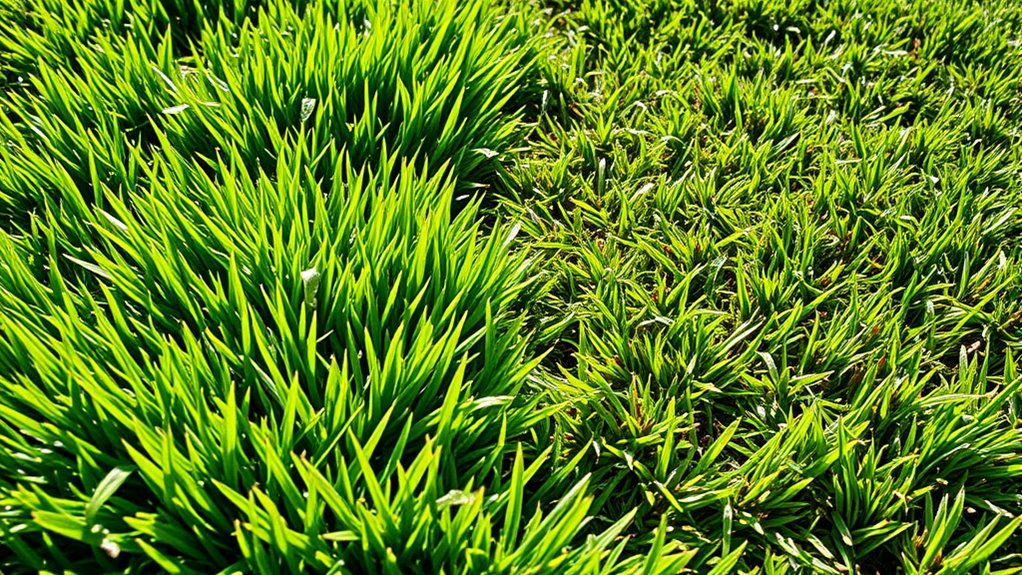
Beyond Bermuda and Bentgrass, many other turf grass varieties are popular worldwide, each suited to different climates and uses. For example, Zoysia grass thrives in warmer regions with its drought tolerance and dense growth, making it ideal for lawns and sports fields. Fescue grass, known for its shade tolerance and cooler climate adaptability, is often used in northern regions. To establish these grasses successfully, you’ll need to understand specific grass cultivation techniques, such as soil preparation, watering schedules, and mowing practices. Different varieties require tailored approaches to ensure healthy growth and resilience. By selecting the right turf grass varieties and applying proper cultivation techniques, you can create a lush, durable, and visually appealing turf suited to your environment.
Choosing the Right Grass for Your Specific Environment
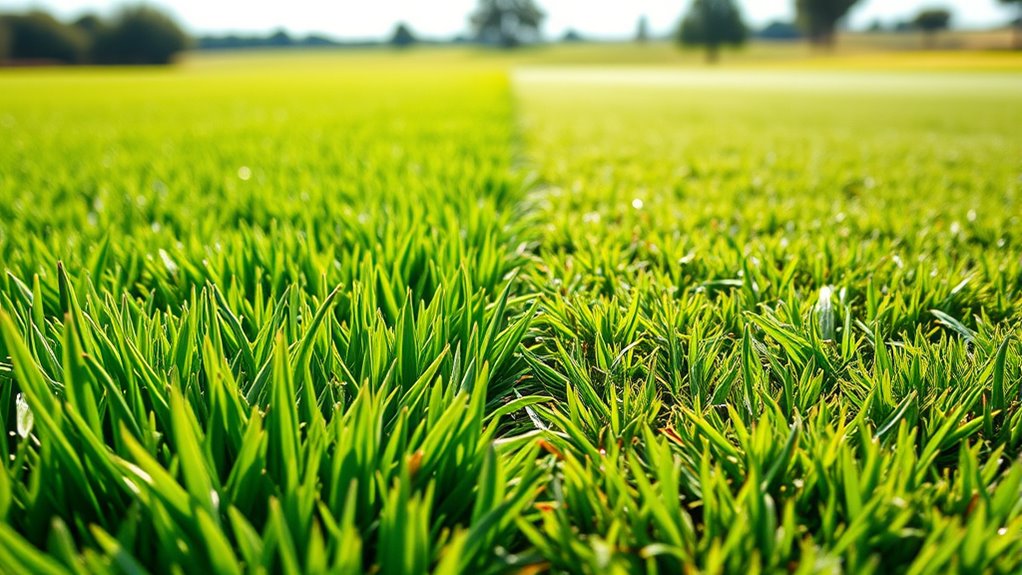
Choosing the right grass for your environment starts with understanding your local climate, soil type, and usage needs. Knowing your turf grass history helps identify which species thrive in your area and how they’ve been managed over time. For example, warm-season grasses like Bermuda excel in hot, dry climates, while cool-season options like Bentgrass suit cooler, moist environments. Considering grass disease management is essential; select varieties resistant to common diseases in your region to minimize maintenance and prevent outbreaks. Your usage—whether for a golf course, sports field, or backyard—also influences your choice. Properly matching grass type to these factors ensures a healthy, resilient lawn that requires less water, fewer chemicals, and less frequent care, helping you achieve the best results for your specific environment.
Frequently Asked Questions
How Do Bermuda and Bentgrass Impact Local Biodiversity?
You might notice that Bermuda and bentgrass impact local biodiversity by altering wildlife habitats and soil health. Bermuda’s dense growth can displace native plants, reducing habitat for insects and small animals, while its root systems influence soil structure. Bentgrass, often used in cooler climates, supports different insects and microorganisms. Both grasses, when managed improperly, can diminish native species diversity, so maintaining a balanced ecosystem requires careful selection and care.
Are There Eco-Friendly Options for Maintaining These Grasses?
An ounce of prevention is worth a pound of cure. You can choose eco-friendly options like organic alternatives for fertilization and pest control, which reduce chemical runoff. Additionally, practicing water conservation by watering early in the morning or using drought-tolerant grasses helps protect the environment. These steps keep your turf healthy while supporting local ecosystems and minimizing your ecological footprint.
What Are Common Disease Issues for Bermuda and Bentgrass?
You’ll often face disease issues like brown patch and dollar spot with Bermuda and bentgrass. To combat these, focus on improving disease resistance through proper fertilization and aeration. Pest management is essential; keep an eye out for pests that weaken the grass, making it more susceptible. Regular monitoring and applying appropriate fungicides help prevent outbreaks. Maintaining healthy, stress-free turf boosts its natural defenses against common diseases.
Can These Grasses Be Used Effectively in Urban Landscaping?
Yes, you can use Bermuda and bentgrass effectively in urban landscaping. They thrive with native planting strategies, blending well into local ecosystems. Plus, they support water conservation efforts since they adapt to varying moisture levels and reduce the need for excessive watering. Just guarantee proper maintenance, such as aeration and fertilization, to keep them healthy and vibrant, making your urban space both attractive and sustainable.
How Do Cost Differences Affect Choice Between Bermuda and Bentgrass?
Cost considerations heavily influence your choice between Bermuda and bentgrass. Bermuda typically has lower initial planting costs and maintenance expenses, making it more budget-friendly for many projects. In contrast, bentgrass requires higher maintenance and investment, especially for peak performance. If you’re looking to save on long-term costs and upkeep, Bermuda might be the better option. However, if you prioritize a high-quality, fine-textured turf, be prepared for the higher expenses of bentgrass.
Conclusion
Imagine stepping onto a lush, emerald fairway, where Bermuda’s vibrant blades bounce under your feet or bentgrass’s velvety surface feels cool beneath your swing. Choosing the right grass transforms your outdoor space into a pristine paradise, thriving in your climate and soil. With the right care, you’ll enjoy a stunning, resilient turf that invites admiration and play. Make your choice wisely, and watch your lawn or course become a mesmerizing green oasis.