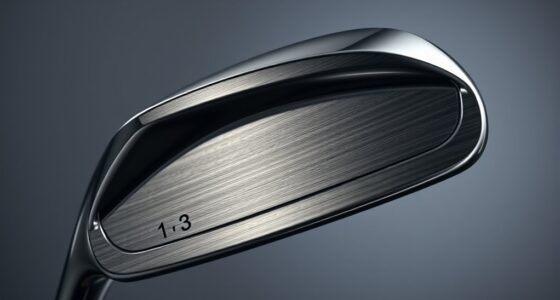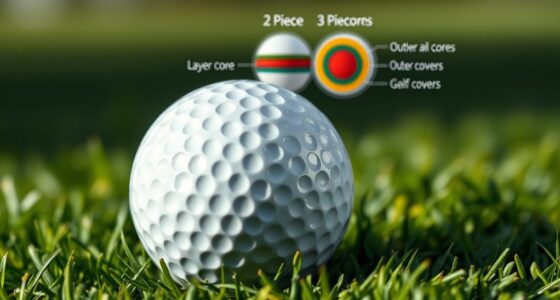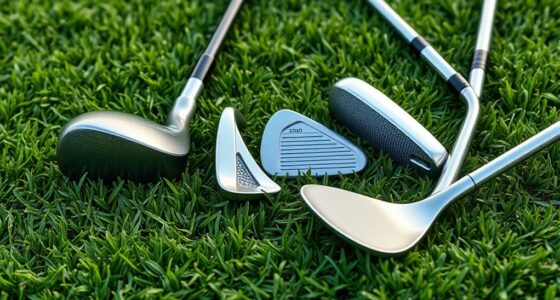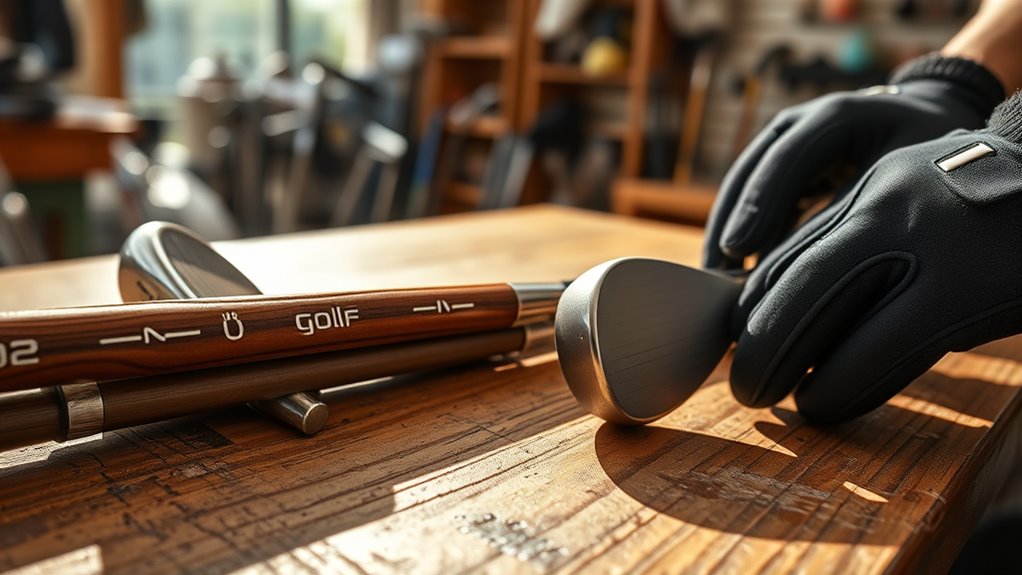

When buying used golf clubs, it’s crucial to assess their condition, verify authenticity, and compare prices from reputable sellers. Look for clear photos, check for wear on the clubface and grip, and guarantee the specs like loft and flex match your needs. Test the clubs if possible, and buy from trusted stores to avoid scams. Staying cautious with these tips helps you spot quality options—and there’s more to ensure you get the best deal.
Key Takeaways
- Verify club authenticity by inspecting logos, serial numbers, and craftsmanship to avoid counterfeit products.
- Compare prices across multiple sellers to identify fair market value and prevent overpaying.
- Request detailed photos and descriptions to assess club condition and spot potential damages or wear.
- Buy from reputable sellers with positive reviews, clear return policies, and recognized certifications.
- Test clubs if possible to ensure proper fit, feel, and performance before completing the purchase.
Research the Different Types of Used Golf Clubs
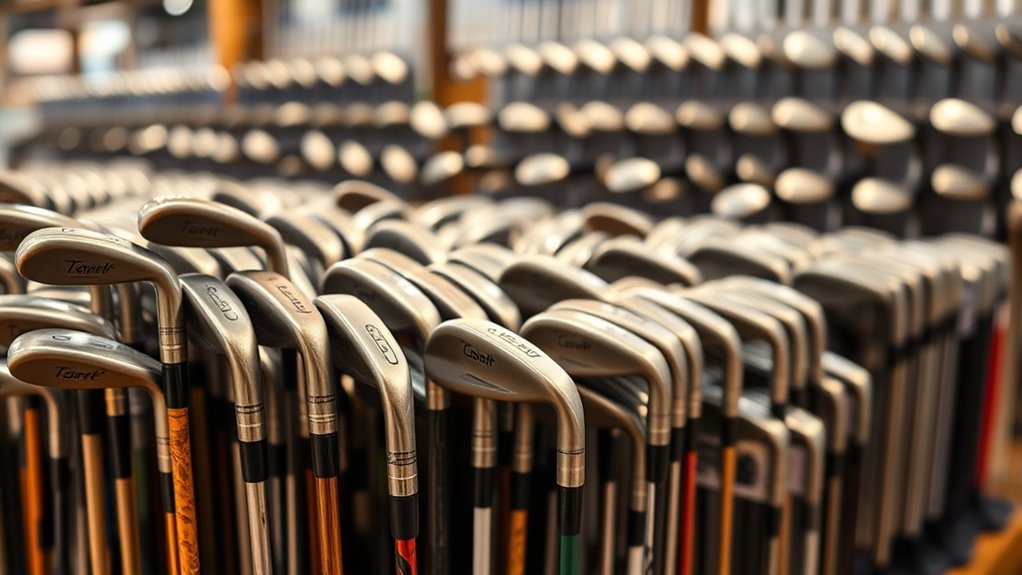
Understanding the different types of used golf clubs is essential before making a purchase. You need to know about golf club materials, such as steel, graphite, or composite, as they affect weight, durability, and feel. For example, graphite shafts are lighter and often preferred by players seeking more swing speed, while steel shafts provide strength and control. Additionally, pay attention to clubhead design, which influences performance. Some clubheads are cavity-back, offering forgiveness for beginners, while blade designs cater to advanced players seeking control. Hybrid clubs combine features of woods and irons, making them versatile. Recognizing these differences helps you select clubs that match your skill level and playing style, ensuring you make a smart, informed purchase.
Understand the Importance of Club Condition and Wear
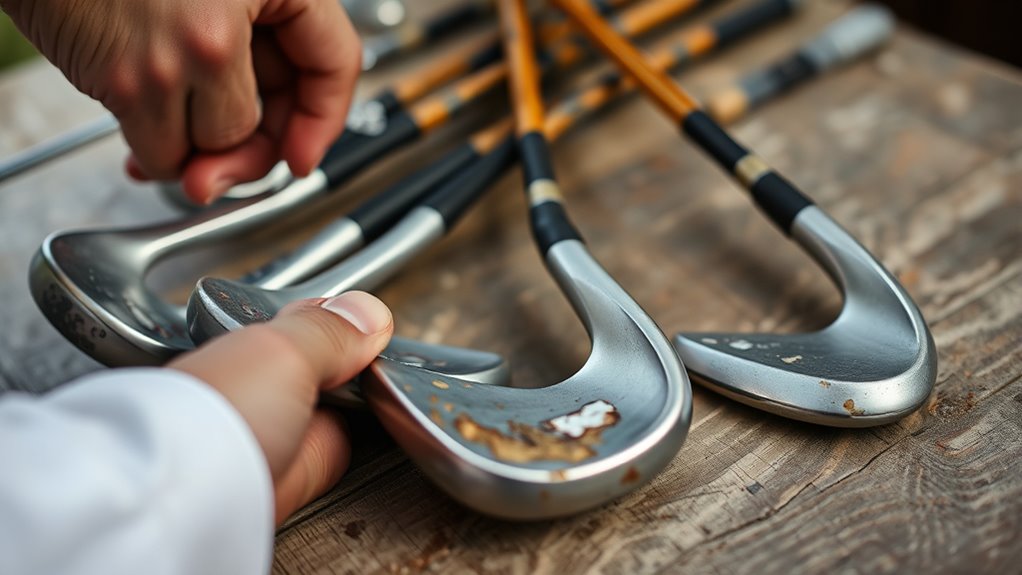
When buying used golf clubs, paying close attention to their condition and wear is essential because these factors directly impact performance and longevity. First, examine the club aesthetic—scratches, dents, or rust can indicate rough handling or aging. Second, look for wear patterns, especially on the clubface and sole, which reveal how often and how aggressively the club was used. These signs can affect ball contact and spin. Third, check for any warping or loose components, such as the grip or shaft, which compromise playability. Recognizing uneven wear or excessive damage helps you avoid clubs that won’t perform well or might break. Additionally, understanding club condition assessment can help you make more informed buying decisions. Being mindful of condition guarantees you select used clubs that will deliver consistent results on the course, especially when considering factors like wear and tear that influence the club’s effectiveness. Proper inspection techniques and knowledge of club longevity factors can further ensure you get quality clubs that last. Moreover, familiarizing yourself with performance-impacting wear can help you better evaluate how well a used club will serve your game over time.
Know How to Identify Authentic and Counterfeit Brands
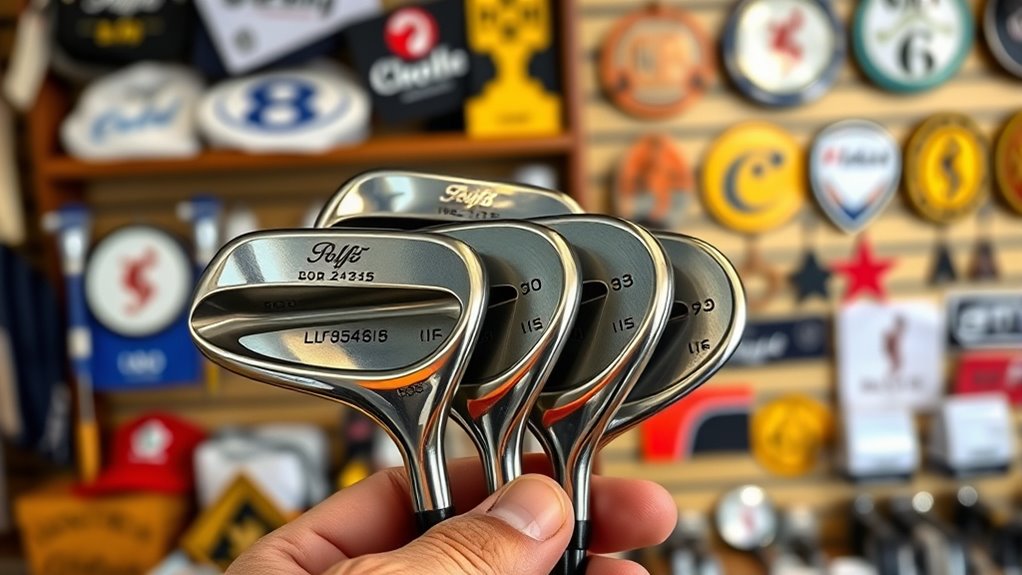
To guarantee you’re getting genuine quality, it is vital to learn how to distinguish authentic golf brands from counterfeit ones. Brand authenticity plays a big role in ensuring you receive high-performance clubs that match their reputation. Start by examining logos, labels, and engravings—counterfeit detection often involves spotting subtle differences, like misspelled brand names or inconsistent fonts. Check the club’s serial numbers and compare them with official records or the manufacturer’s website. Authentic brands typically have high-quality craftsmanship and durable finishes, while counterfeits may show poor paint jobs or rough edges. Familiarize yourself with official product images and markings. Being vigilant about these details helps prevent falling for fake clubs and guarantees you’re investing in genuine, reliable equipment. Additionally, understanding the weight of wind turbine blades can be crucial when considering the logistics of transporting high-quality clubs or equipment, ensuring safe and efficient delivery. Recognizing the key features of authentic clubs can also assist in avoiding counterfeit products, saving you money and ensuring optimal performance on the course. Moreover, knowledge of how to identify subtle branding differences can further protect you from purchasing counterfeit items and enhance your confidence in your investment.
Check the Club’s Loft and Flex Specifications

Checking the club’s loft and flex specifications is essential to guarantee the clubs match your playing style and skill level. First, examine the club’s loft to ensure it’s appropriate for your typical shot trajectory. Second, verify the club’s flex to match your swing speed; a flexible shaft suits slower swings, while a stiffer flex benefits faster swings. Third, compare these specifications with your current clubs or ideal setup to avoid mismatches that could hinder your performance. Knowing the club’s loft helps you determine how high or far the ball will go, while understanding the club’s flex ensures maximum control and power. Additionally, understanding different motor types like mid-drive systems can help you choose clubs that better complement your overall game. Recognizing the importance of player-specific fittings can further refine your selection process for optimal performance. Accurate specifications ensure you’re investing in clubs that enhance your game instead of holding you back, especially when considering customized club options. Being aware of club fitting techniques can also assist in making more informed purchase decisions. Incorporating vetted fitting services can further ensure you select clubs tailored precisely to your unique swing characteristics.
Evaluate the Grip and Shaft for Damage or Wear
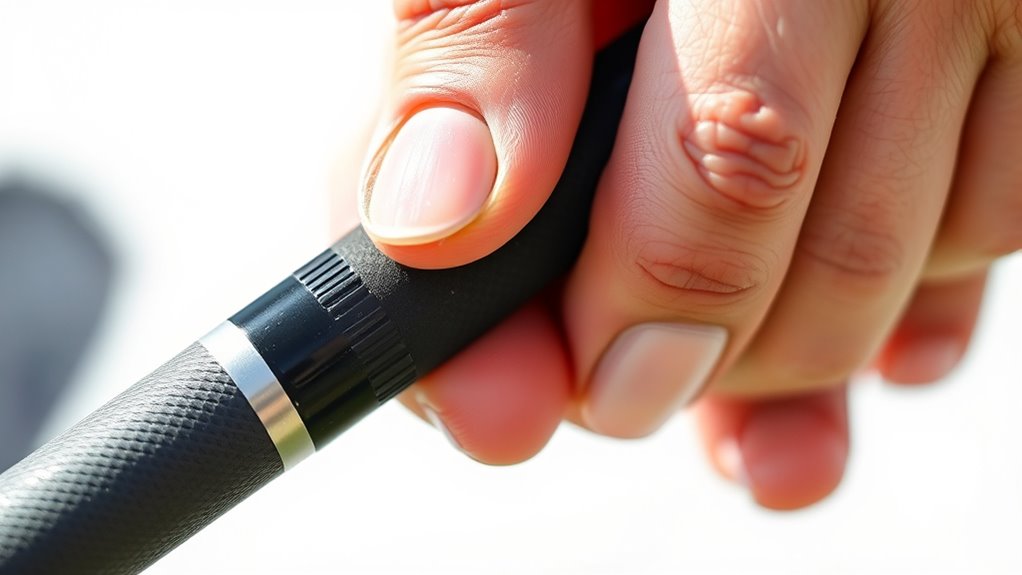
Inspecting the grip and shaft for damage or wear is essential because these components directly affect your control and swing consistency. Check the grip condition for cracks, excessive wear, or smoothness that could cause slipping during your swing. A worn or slick grip reduces your ability to hold the club securely, impacting accuracy. For the shaft, examine its integrity by looking for dents, cracks, or any signs of rust or corrosion. Feel for any wobbling or looseness, which could affect shot consistency. Damaged shafts may lead to unpredictable ball flights or breakage upon impact. Additionally, consider the proper maintenance of your clubs, such as cleaning and storing them correctly, to prolong their lifespan and performance. Regularly inspecting your clubs for early signs of damage helps you catch issues before they worsen, saving you money and improving your game. Overall, ensuring the grip is firm and the shaft is free of damage helps you avoid future problems and guarantees that your clubs perform as intended.
Assess the Club’s Age and Model Relevance
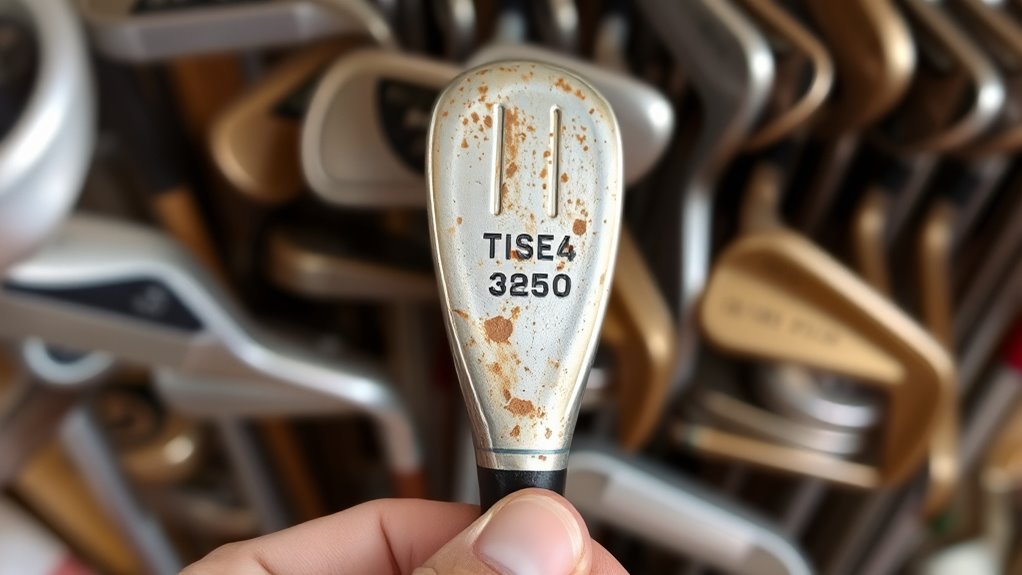
Evaluating the age and model of a used golf club helps determine its value and suitability for your game. Consider these key points:
- Research club manufacturing dates to see if the model is recent or outdated, as newer clubs often incorporate advancements in technology.
- Understand brand history to gauge the reliability and reputation of the manufacturer, which can influence durability and performance.
- Compare model relevance by checking if the club’s design aligns with current trends and your playing style, ensuring it’s not obsolete or incompatible with modern equipment.
- Be aware of market trends to better understand the popularity and demand for specific models, helping you make a more informed purchase decision.
Knowing the club’s age and model relevance helps you make informed decisions, avoid buying outdated technology, and ensure your investment improves your game rather than hindering it.
Compare Prices Across Multiple Sellers
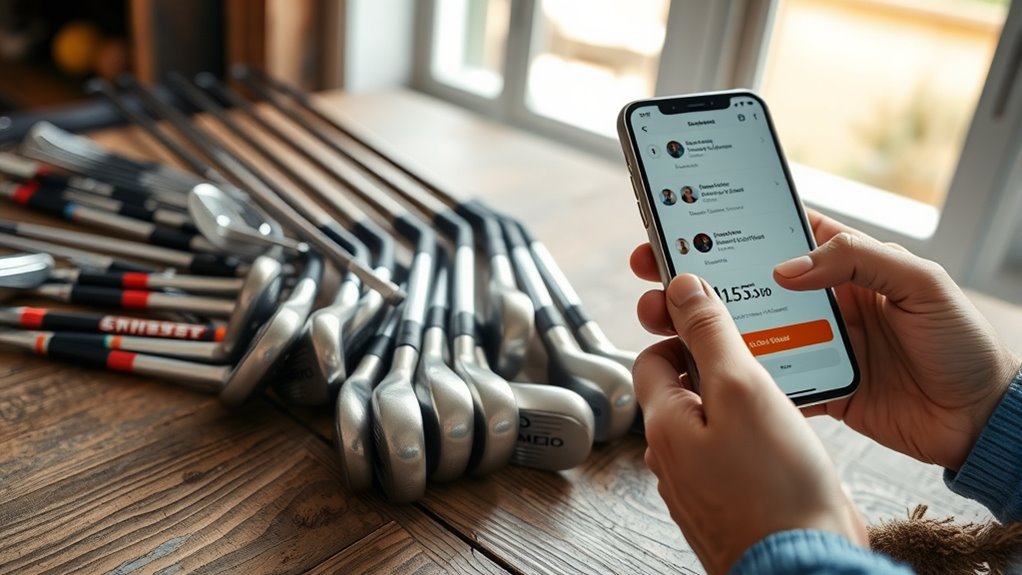
Comparing prices across multiple sellers is essential to guarantee you get the best deal on used golf clubs. By exploring different listings, you can identify the average market price and spot any significant overpricing. Pay attention to each seller’s reputation, as trusted sellers often provide more accurate descriptions and better customer service, reducing the risk of scams or misrepresented clubs. Use various pricing strategies, like checking seasonal discounts or bundle deals, to maximize savings. Don’t settle for the first offer; instead, take your time to evaluate options. This approach ensures you’re making an informed decision and avoiding overpriced clubs. Ultimately, a thorough comparison helps you secure quality clubs at a fair price, protecting your investment.
Ask for Detailed Photos and Descriptions
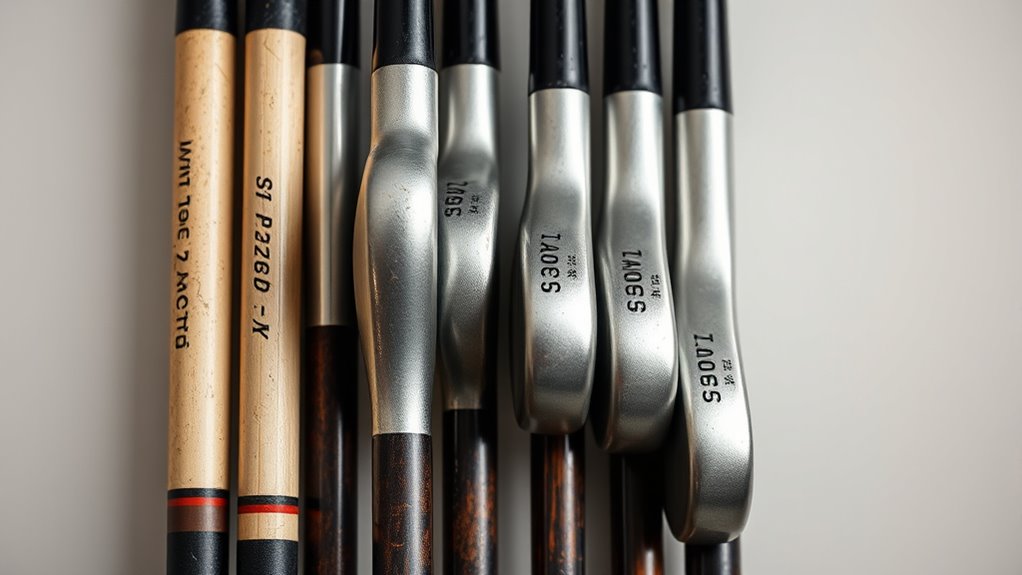
Since photos and descriptions are your main tools for evaluating a used golf club’s condition, don’t hesitate to ask the seller for detailed images from multiple angles. Clear photos reveal wear, dents, and any customization options that could affect performance. When requesting descriptions, focus on:
- Overall condition and any visible damage or rust
- Specifics about customization options, like grip replacements or shaft alterations
- Maintenance tips to keep the club in good shape, such as cleaning routines or storage advice
These details help you assess whether the club matches your needs and budget. Accurate photos and thorough descriptions minimize surprises and ensure you make an informed purchase. Remember, a seller willing to provide detailed visuals shows transparency and reliability. Additionally, inspecting specialty finishes or unique features can help determine the club’s value and authenticity. Being aware of authenticity markers can further prevent scams and ensure you’re investing in a genuine product. Consulting resources on golf club valuation can also aid in recognizing a fair price and authentic items. Recognizing subtle wear patterns can also give clues about the club’s usage history and overall condition. Moreover, paying attention to manufacturing details can help verify the authenticity and origin of the club.
Test the Clubs When Possible Before Buying
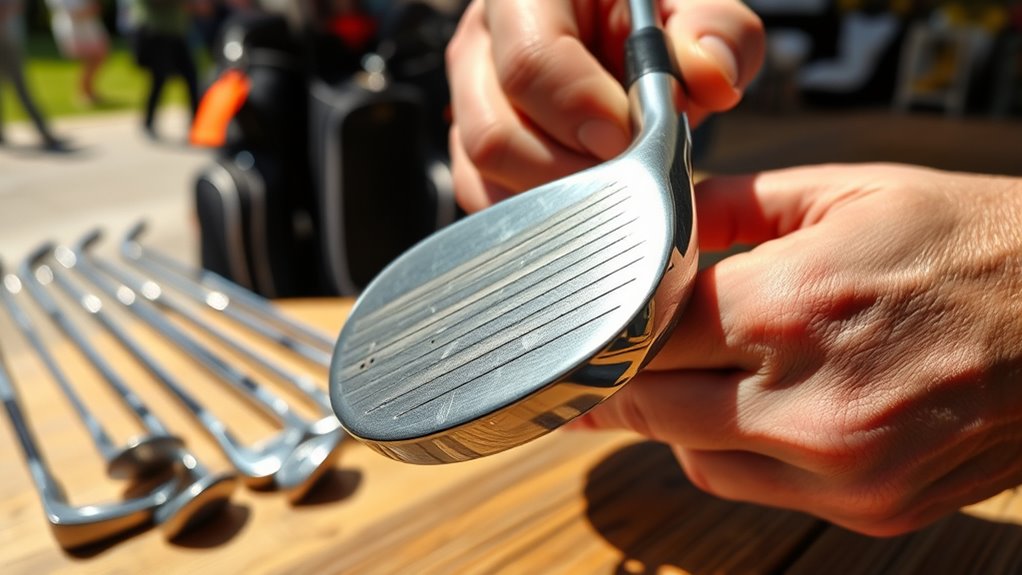
Whenever possible, try out the clubs before buying to get a real sense of how they feel. Pay attention to the club’s weight and grip comfort to guarantee it suits your swing. Confirm that the club’s length and lie angle match your needs for ideal performance. Additionally, assessing the club’s color accuracy can help ensure the club’s finish and markings are clear and not faded, which may affect your confidence and accuracy on the course. Being aware of wave and wind conditions can also influence your choice of clubs and how they perform in different weather scenarios. Understanding player ethnicity and its influence on physical attributes can also be beneficial when selecting clubs tailored to your playing style.
Inspect Club Feel
Before purchasing used golf clubs, it is vital to test their feel by holding and swinging them if possible. This helps you gauge how they perform for your swing and comfort. Pay attention to:
- Club weight – Ensure the club feels balanced in your hands and isn’t too heavy or light, which can affect control. A proper weight can also influence your swing consistency.
- Grip comfort – Check if the grip feels secure and comfortable without excessive wear or slipperiness.
- Swing feel – Swing the club naturally and note how it responds; a well-balanced club should feel smooth and responsive without awkward vibrations. Evaluating the club’s response can help determine its suitability.
- Passive voice detection – Use passive voice detection tools to review your swing descriptions and improve clarity in your notes. Additionally, assessing the club’s condition can reveal hidden issues that might affect performance.
Confirm Proper Fit
To guarantee the clubs will improve your game, you need to verify they fit your body and swing properly. When testing used clubs, take time to swing them and observe your ball trajectory. Proper fit ensures your golf swing remains consistent and accurate. If the clubs are too long or short, your shots may veer off course, making it difficult to judge their performance. Check how the club feels during your swing—comfort and balance matter. When possible, hit some balls on the range, paying attention to how the clubs respond. A proper fit helps you maximize control and power, leading to better accuracy and more consistent ball flight. Confirming fit before buying ensures you won’t waste money on clubs that don’t match your style or physique.
Purchase From Reputable Sellers or Stores
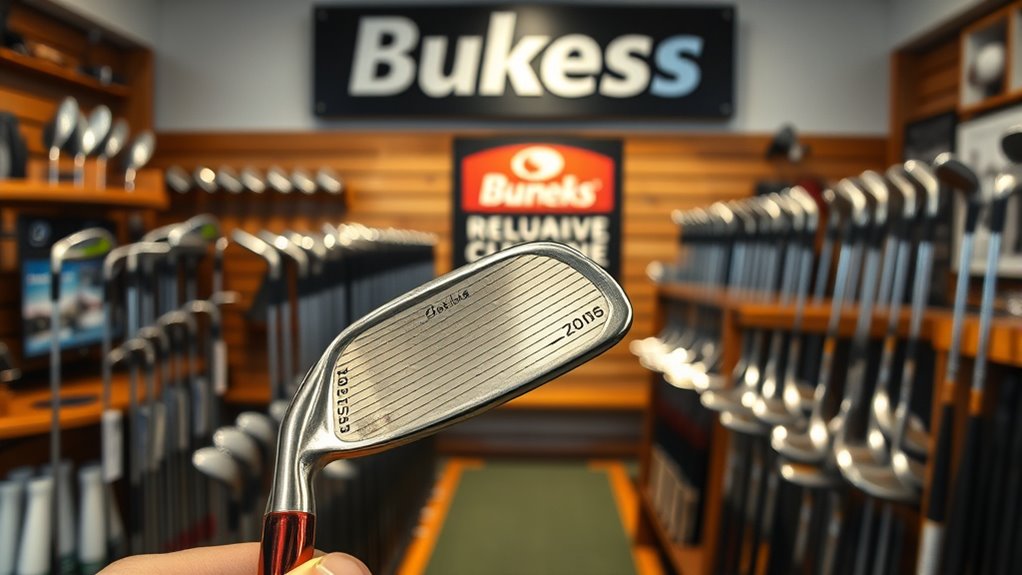
Buying used golf clubs from reputable sellers or stores guarantees you get quality equipment and avoid scams. To make certain you’re making a smart purchase, consider these tips:
- Check the brand reputation—buy from well-known dealers with positive reviews to ensure authenticity and quality.
- Review the return policies—reputable stores offer returns or exchanges if the clubs don’t meet your expectations.
- Verify the store’s credibility—look for certifications or memberships in golf associations, which indicate professionalism and trustworthiness.
Frequently Asked Questions
How Can I Verify the Authenticity of Used Golf Clubs Online?
To verify the authenticity of used golf clubs online, start with brand authentication by checking official websites or contacting manufacturers directly. Look for serial number verification; compare the serial number on the club with the records provided by the brand. Examine photos carefully for logos, engravings, and craftsmanship details. Avoid deals that seem too good to be true, and always buy from reputable sellers with good reviews to guarantee you’re getting genuine clubs.
What Are Common Signs of Club Damage Not Visible in Photos?
You should look beyond the photos to spot signs of hidden damage. Check the club face for subtle dents or scratches that might suggest mishandling. Feel for any looseness or wobbling in the shaft, which could indicate compromised shaft integrity. Listen for unusual sounds when gently tapping the club. These clues help reveal issues unseen in pictures, ensuring your purchase is solid and worth your investment.
How Do I Determine the Right Club Length for My Height?
To determine the right club length for your height, start with a professional club fitting or use ergonomic considerations. Stand naturally with your arms relaxed and hold the club in your usual stance. The grip should reach your wrist crease when the club is standing vertically. If you’re unsure, consult with a pro to guarantee proper fit, which improves your swing and prevents discomfort during play.
Are There Specific Warranties Available for Used Golf Clubs?
You might find some used golf clubs come with warranty policies, but they’re often limited or non-existent. Always ask the seller about return options and warranty coverage before buying. Some shops or online platforms offer limited warranties or guarantees, giving you peace of mind. However, be cautious, read the fine print, and understand that warranties for used clubs typically aren’t as thorough as new ones.
What Should I Do if the Club’s Specifications Don’t Match the Description?
Did you know that 85% of buyers report issues with inaccurate club descriptions? If the club’s specifications don’t match the description, immediately contact the seller. Clearly communicate your concerns and request clarification or a return. Remember, good seller communication is key. Avoid making assumptions—ask about club customization and verify details before finalizing your purchase. If unresolved, consider leaving feedback or seeking a refund to protect your investment.
Conclusion
So, after all that research, you’d think buying used golf clubs would be foolproof. But hey, who needs peace of mind when you can roll the dice and hope for the best? Remember, the real trick is convincing yourself you’re not getting ripped off—because nothing says “good deal” like a surprise club that’s seen better days. Happy swinging, and may your next purchase be surprisingly honest!