
If you’re deciding whether to replace your 3-iron with a hybrid, consider your skill level and how you want to play. Hybrids are easier to hit, more forgiving, and better suited for high, soft landings. Long irons offer more control and shot shaping for skilled players but require precise swings. Exploring the benefits of each can boost your confidence and game—continue to explore, and you’ll discover which club suits you best.
Key Takeaways
- Hybrids are more forgiving and easier to hit, making them ideal for consistent performance and confidence.
- Long irons provide better shot shaping and control but require precise swings and skill.
- Replacing a 3-iron with a hybrid can improve ease of use and versatility on various lies.
- Cost and durability favor hybrids, which tend to need less maintenance over time.
- Consider your skill level and playing style; hybrids suit mid to high handicappers, while long irons benefit skilled players.
Understanding the Differences: Long Irons and Hybrids
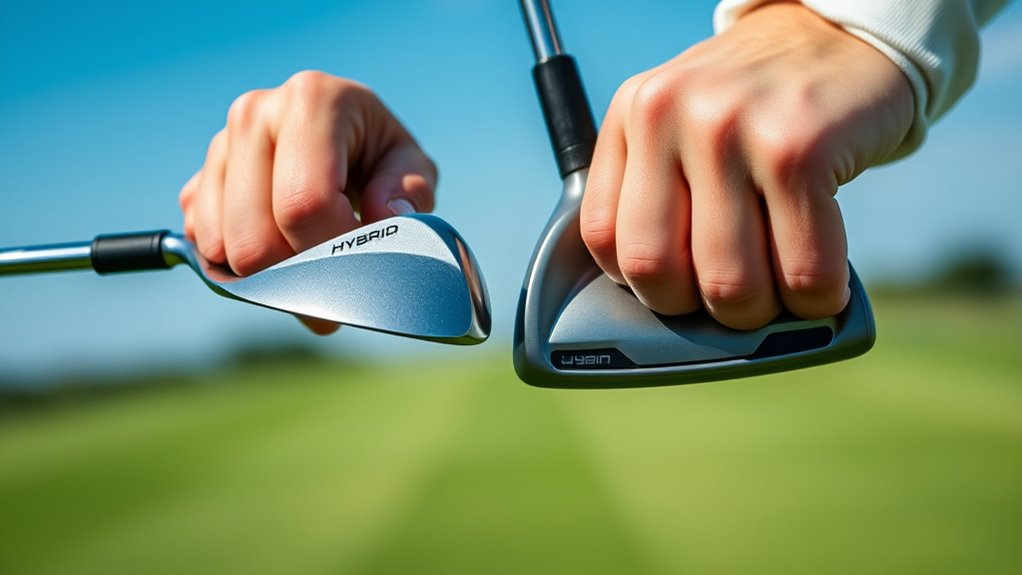
Long irons and hybrids serve different purposes on the golf course, and understanding their differences can help you choose the right club for your game. When considering club fitting, it’s crucial to assess how each club type impacts your swing and shot accuracy. Hybrids often feature more forgiving designs with wider soles, making them easier to hit from various lies. Meanwhile, long irons require precise shot-making and can be customized through shaft options to match your swing speed and feel preferences. Shaft flexibility, weight, and length are critical factors that influence performance. Proper club fitting ensures you select the right combination of shaft options, helping you optimize your distance, trajectory, and consistency. Recognizing these differences sets the foundation for choosing clubs that match your skill level and playing style. Additionally, club customization can significantly enhance your performance by tailoring clubs to your unique swing characteristics. Being aware of the design differences between long irons and hybrids enables golfers to make more informed decisions on the course and during fitting sessions.
Performance and Shot Versatility
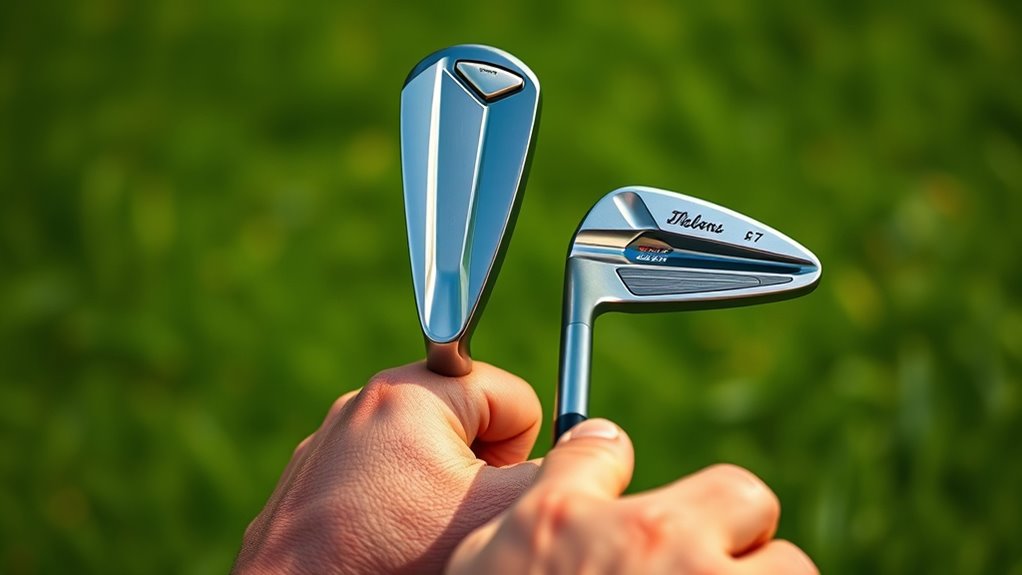
Hybrids are known for their versatility and consistent performance across various lies, making them a reliable choice when you need to shape shots or navigate difficult terrain. Their design allows for easier ball contact and control, which can improve your overall shot versatility. When considering club fitting, pay attention to the shaft flex, as it impacts swing speed and shot consistency. With the right shaft flex, hybrids can adapt better to your swing, offering a more controlled ball flight. Additionally, hybrids excel in situations requiring high, soft landings or precise approaches, whereas long irons demand more precise club fitting to optimize performance. Overall, hybrids tend to offer a broader shot repertoire, making them a more adaptable choice for players seeking variety and dependability. Incorporating performance factors such as club design and shaft specifications can further enhance your game with hybrids. Moreover, their forgiving design helps reduce mishits, leading to more consistent results even on off-center strikes.
Forgiveness and Ease of Use
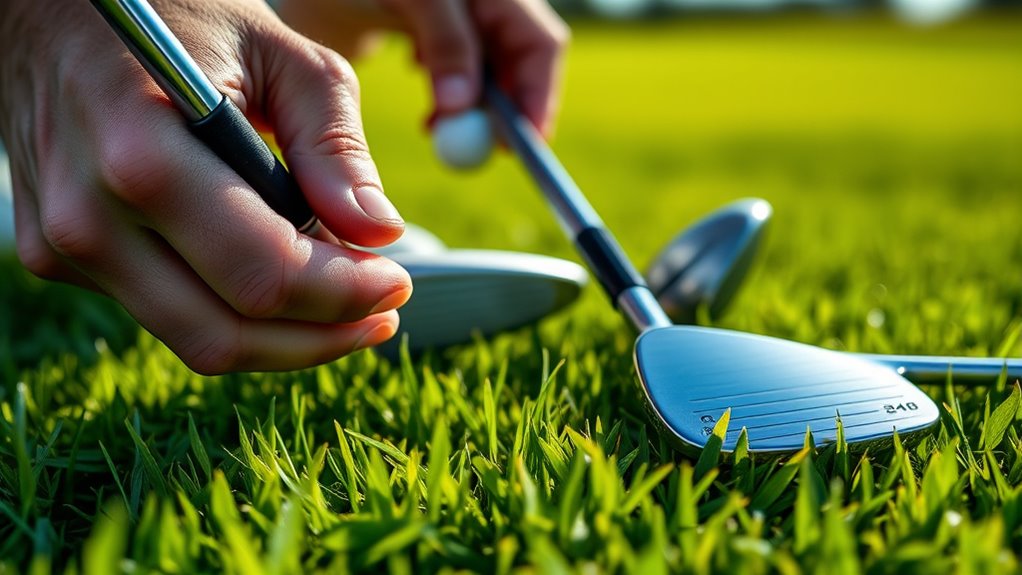
Both hybrids and long irons have their strengths, but when it comes to forgiveness and ease of use, hybrids often have the edge. Hybrids are designed with a larger, more forgiving clubface that helps improve your stroke consistency, especially on mishits. They tend to launch the ball higher and straighter, making it easier to get the ball in the air and maintain control. Additionally, hybrids typically offer better grip comfort, reducing tension in your hands and allowing for a more natural swing. Long irons, on the other hand, require more precise contact, which can be challenging for many golfers. Overall, hybrids simplify play and help you recover from imperfect shots, making them a more forgiving choice for players seeking ease of use. Incorporating club design principles can help you make better decisions about which clubs suit your game. Considering club forgiveness is essential when choosing between these options, especially if you’re still developing consistency in your swing. For many golfers, the increased error tolerance of hybrids can lead to more confident shots and overall improvement. Moreover, understanding the impact of clubhead geometry can help you select clubs that maximize forgiveness and playability.
Control, Workability, and Shot Shaping
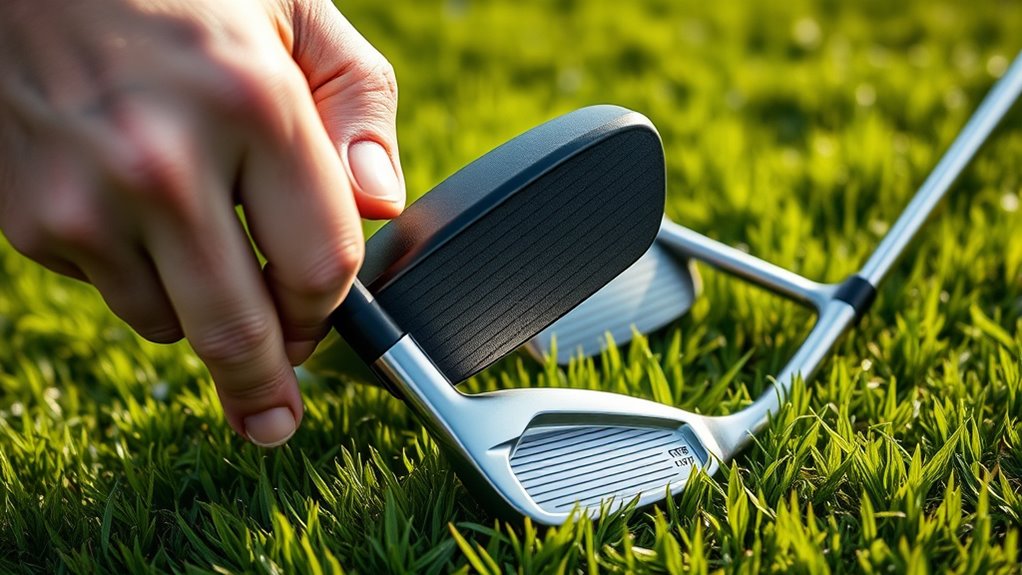
When it comes to controlling your shots and shaping the ball, long irons often give skilled golfers more precision and versatility. They allow you to manipulate ball trajectory and spin more effectively, especially with proper club fitting. To enhance control and workability, focus on these aspects:
- Fine-tune your club fitting to optimize shaft length and lie angle for better shot shaping.
- Use a more closed or open face at address to influence ball curvature.
- Practice deliberate swings that emphasize feel and precision, allowing you to shape shots with more consistency.
Long irons demand skill, but they excel in shot shaping when properly fitted and mastered. Hybrid clubs, while easier to hit, typically offer less finesse in controlling trajectory and spin.
Cost, Durability, and Maintenance

When considering hybrid clubs and long irons, you’ll notice differences in purchase prices and how much you’ll spend over time. Hybrid clubs often resist wear better and require less frequent maintenance, saving you money in the long run. Understanding these factors helps you choose the option that fits your budget and durability needs best. Additionally, hybrid clubs are generally designed with more durable materials that can better withstand the rigors of frequent play, making them a long-term investment for many golfers.
Purchase Price Variability
The purchase price of hybrid clubs and long irons varies substantially due to differences in materials, brand reputation, and technology. Generally, higher-end clubs offer more advanced features and durability, but come at a premium. Factors influencing cost include:
- Customization options, which can increase price if you opt for tailored club fitting or specific finishes.
- Brand reputation, with well-known brands charging more for perceived quality and prestige.
- Technological features, like improved cavity designs or lightweight materials, that add to the initial investment.
While hybrids tend to be priced similarly or slightly higher than traditional long irons, investing in a reputable brand can boost durability and resale value. Ultimately, your choice depends on balancing upfront costs with long-term benefits and the extent of club customization you desire.
Wear and Tear Resistance
Hybrid clubs generally resist wear and tear better than long irons due to their construction and materials, but ongoing maintenance costs can vary. Their clubhead durability tends to be higher because hybrids often feature reinforced faces and robust materials that withstand frequent impacts. Additionally, the shafts in hybrids typically enjoy greater longevity, thanks to their modern composites and reinforced designs that resist fatigue. This enhanced durability often results in fewer replacements, making them a more cost-effective choice over time durability benefits. This means you’re less likely to see dents, cracks, or warping over time. Material strength also contributes to the overall durability of hybrid clubs, ensuring they maintain their performance longer. The use of advanced manufacturing techniques can further improve the durability of hybrid clubs, reducing the need for repairs and replacements. Long irons, on the other hand, are more prone to surface damage and shaft wear, which can lead to more frequent replacements or repairs. Overall, hybrids offer a more durable option, reducing the need for constant upkeep and ensuring consistent performance longer. Durability factors also influence the overall cost-effectiveness of each club type over time.
Maintenance Frequency and Costs
You’ll find that hybrids generally require less frequent maintenance and incur lower costs over time compared to long irons. With proper club cleaning, you can maintain their performance and extend their lifespan. Hybrids tend to have more durable clubfaces, reducing the need for frequent replacements. When considering replacement costs, hybrids typically cost less over their lifespan because they resist damage better. To keep your clubs in top shape, focus on these key areas:
- Regularly clean the clubheads to prevent dirt buildup that can affect performance.
- Inspect the grips and replace them when worn to maintain a secure hold.
- Monitor the clubface for dents or scratches, which may signal the need for replacement or repair.
- Proper club care can significantly extend the lifespan of your clubs and preserve their performance over time. Additionally, using appropriate storage techniques can protect clubs from environmental damage and impact wear.
Making the Choice: Which Club Fits Your Game?
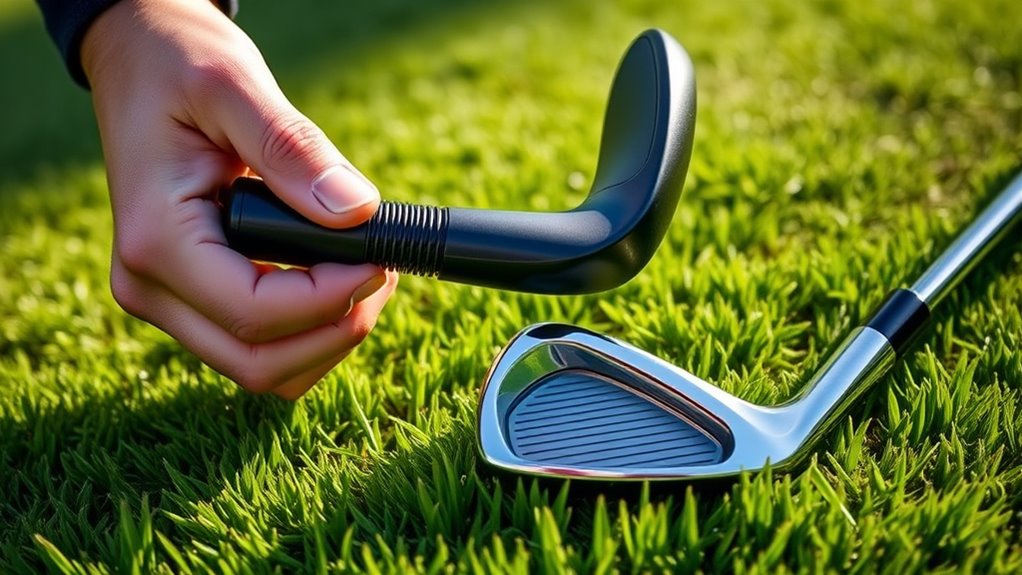
Choosing between hybrid clubs and long irons depends on your swing ease and control, so consider which feels more natural for you. Think about the shot versatility each offers—do you need more distance or better accuracy? Ultimately, selecting the right club aligns with your game’s specific needs and playing style.
Swing Ease and Control
When it comes to swing ease and control, hybrids generally offer a simpler, more forgiving experience for most golfers. Their design promotes better contact, helping you maintain consistency even on off-center hits. Consider these factors:
- Club aesthetics: Hybrids often look more modern and streamlined, boosting your confidence at address.
- Brand reputation: Trusted brands produce hybrids with consistent performance, making control easier.
- Forgiveness: Hybrids tend to have a lower center of gravity, giving you higher launch angles and increased control, especially for mid to high handicappers.
In contrast, long irons can be more challenging to control, requiring precise swings. Your choice depends on your comfort level and how much you prioritize ease of swing and confidence in control.
Shot Versatility and Distance
Hybrids excel in offering greater shot versatility and longer distances compared to long irons. Their design promotes a higher ball flight, making it easier to clear obstacles or land softly on the green. With the right swing mechanics, hybrids help you achieve more consistent contact, even on off-center hits, increasing confidence on various lies. Long irons often produce a lower, more penetrating ball flight, which can be advantageous in windy conditions but limits versatility. Hybrids adapt better to different shot shapes and lie conditions, giving you options to punch, fade, or draw with less effort. If you’re seeking a club that combines distance and adaptability, hybrids generally provide more options, making them a valuable addition to your bag.
Frequently Asked Questions
How Do Hybrid Clubs Affect Swing Mechanics Compared to Long Irons?
Hybrid clubs typically make swing path adjustments easier because they promote a more natural, sweeping motion. They impact dynamics by offering a higher launch and softer landings, which can help you achieve better consistency. Compared to long irons, hybrids often require less precise control, allowing you to focus on a smooth swing. This can lead to improved accuracy and distance, especially if you struggle with traditional long iron shots.
Are Hybrids Suitable for All Skill Levels?
Hybrids are suitable for most skill levels, including amateur golfers and even some professionals who prefer easier-to-hit clubs. They help improve consistency and launch angles, making shots more manageable. While some pros stick with long irons for control, many favor hybrids for their forgiving nature. If you’re an amateur or looking for easier play, hybrids could boost your confidence and performance, making them a smart choice regardless of skill level.
What Are the Typical Differences in Club Length and Weight?
Hybrid clubs typically have a shorter club length than long irons, making them easier to control, while their club weight often feels lighter, aiding swing speed. Long irons tend to be longer, which can challenge your accuracy, and they usually have a slightly heavier club head for better feel. This difference in club length and weight impacts your swing mechanics, so choose based on what offers better comfort and consistency for your game.
Can Switching to Hybrids Improve Overall Game Consistency?
Switching to hybrids can considerably improve your game consistency by providing a more controlled ball flight and better shot accuracy. Hybrids are easier to launch, helping you achieve a higher, straighter trajectory, which reduces mishits. They also offer a more forgiving sweet spot, making it simpler to hit consistent shots from various lies. If consistency matters, hybrids could be the game-changer you need to lower your scores.
How Do Hybrid Clubs Perform in Different Weather Conditions?
Hybrid clubs excel in different weather conditions, offering better weather adaptability than long irons. In windy conditions, hybrids provide more control and stability, helping you maintain accuracy. Rain and damp grass can also impact club performance, but hybrids often perform better because their design reduces turf interaction. Overall, hybrids give you consistent club performance across varying weather, making them a reliable choice when conditions change unexpectedly.
Conclusion
Choosing between a hybrid and a long iron is like selecting the right paintbrush for your masterpiece. If you prefer ease and forgiveness, a hybrid can be your trusty tool, smoothing out rough patches. But if control and shot shaping excite you, stick with your long iron. Ultimately, it’s about finding the club that feels like an extension of your game, helping you paint your perfect shot every time. Trust your instincts and enjoy the process.