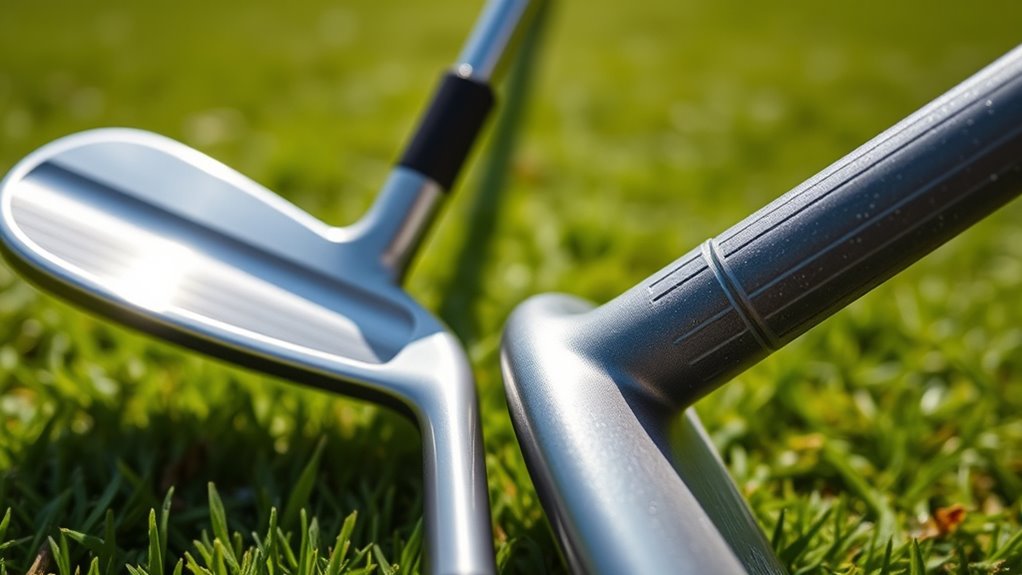

Choosing between steel and graphite shafts depends on your swing, preferences, and playing style. Steel shafts offer durability, consistent feedback, and are more affordable, making them great for control and reliability. Graphite shafts are lighter, absorb more vibrations, and can boost swing speed and comfort, especially if you have high swing speeds or are prone to fatigue. Understanding how material affects your game can help you make the best choice—keep exploring to discover more details.
Key Takeaways
- Steel shafts offer durability, consistent performance, and better control, especially for players with controlled swing styles.
- Graphite shafts are lighter, reducing vibrations and enhancing swing speed and comfort for high-speed or sensitive players.
- Material affects feel and feedback; steel transmits more vibrations, while graphite dampens shocks for smoother shots.
- Steel shafts are generally more resistant to corrosion and wear, leading to lower maintenance costs over time.
- Choosing between steel and graphite depends on swing speed, playing style, comfort preferences, and budget considerations.
Differences in Material Composition and Manufacturing Processes

Steel shafts are made from a durable alloy of iron and carbon, which gives them strength and consistency. This composition guarantees high material durability, allowing the shaft to withstand frequent use without losing its integrity. Manufacturing precision is vital in producing steel shafts; tight tolerances result in consistent swing performance and reliable control. The manufacturing process involves precise forging or machining to create a uniform shape and balance, minimizing imperfections that could affect your swing. Unlike other materials, steel offers a straightforward, tried-and-true production method, making it easier to maintain quality standards. Additionally, understanding testing methodologies can help manufacturers ensure the quality and performance of steel shafts meet industry standards. Quality assurance processes are essential for maintaining high manufacturing standards and ensuring the shafts meet players’ expectations. The ability to perform consistent quality testing is essential for maintaining high manufacturing standards and ensuring the shafts meet players’ expectations. Moreover, the use of advanced material analysis techniques allows for better detection of potential flaws during production, further ensuring product reliability. Overall, the combination of material durability and manufacturing precision makes steel shafts a dependable choice for golfers seeking stability and longevity in their equipment.
Impact on Swing Speed and Distance

Because of their density and stiffness, steel shafts can help you generate faster swing speeds, which often translate into greater distance off the tee. This increased speed can boost your shot length, especially when combined with a proper custom fitting to optimize performance. Steel shafts are typically more consistent, allowing you to maximize your swing’s potential. While they may lack the lightweight feel of graphite, their durability ensures reliable performance over time. Additionally, steel shafts often offer a sleek, classic look that enhances the aesthetic appeal of your clubs. If your goal is to achieve maximum distance with a stable, precision-engineered shaft, steel could be the right choice—especially when tailored through custom fitting to match your swing dynamics. Material properties play a crucial role in determining how well a shaft can support your swing and overall game. Moreover, understanding the material characteristics helps golfers select the most suitable shaft to improve their performance, particularly since Youngster Choice highlights how different materials impact outcomes. A thorough knowledge of shaft composition can further assist in making an informed decision to optimize your golf game.
Feel and Control: How Shaft Material Affects Your Shot

Your choice of shaft material directly influences how you feel during your swing and how much control you have over your shot. A shaft’s flexibility and dampening qualities can make your shots feel smoother and more consistent. By understanding these factors, you can select a shaft that enhances your overall feel and shot precision. Additionally, selecting the right material can help prevent common issues such as leash pulling, ensuring better control throughout your game.
Flexibility and Feel
The flexibility and feel of a golf shaft directly influence how you control your shots and perceive their trajectory. Your choice affects grip comfort and aesthetic appeal, shaping your overall experience. Consider these aspects:
- Flexibility determines how much the shaft bends during your swing, affecting shot control.
- A stiffer shaft offers precision, while a more flexible shaft provides a smoother feel.
- Material impacts how the shaft responds, influencing your sense of connection with the club.
- The feel influences grip comfort, making your swing more natural and confident.
- Additionally, understanding shaft material can help you select the best option for your playing style and preferences.
Ultimately, the right shaft enhances your sense of control and confidence, blending flexibility with aesthetic appeal to match your swing style. Choosing between steel and graphite hinges on how these factors align with your preferences.
Shaft Vibration Dampening
Shaft vibration dampening plays a significant role in how your swing feels and how well you can control your shots. Graphite shafts typically absorb more vibrations, delivering a smoother, more comfortable feel that reduces hand fatigue and enhances control. Steel shafts, while more durable, tend to transmit more vibration, which can sometimes lead to discomfort or less precise feedback. This difference affects your overall shot control and confidence. Additionally, the aesthetic appeal of graphite shafts often appeals to players seeking a sleek look, complementing the club’s design. Brand reputation also matters, as trusted manufacturers tend to produce shafts with optimized vibration dampening properties, ensuring consistent performance. Moreover, the material properties of the shaft influence how effectively vibrations are dampened, impacting your overall feel and shot accuracy. Ultimately, choosing a shaft with good vibration dampening can improve your feel and help you stay more focused on your swing.
Swing Consistency and Control
Choosing the right shaft material directly impacts swing consistency and shot control. Your grip comfort and the aesthetic appeal of your clubs influence how well you can focus and execute shots. Here’s how shaft material affects your control:
- Flexibility: Graphite shafts offer more flex, promoting smoother swings and better control for slower tempos.
- Stiffness: Steel shafts provide greater stiffness, helping consistent shot direction and reducing mishits.
- Feel: Graphite absorbs vibrations, giving a softer feel that enhances grip comfort and confidence.
- Aesthetics: The look of graphite shafts often appeals more visually, boosting your confidence at address.
- Material properties: Understanding shaft material characteristics can help you select the best option for your swing style and performance needs.
Ultimately, your choice affects how smoothly you swing and how reliably you can place your shots.
Durability and Maintenance Considerations
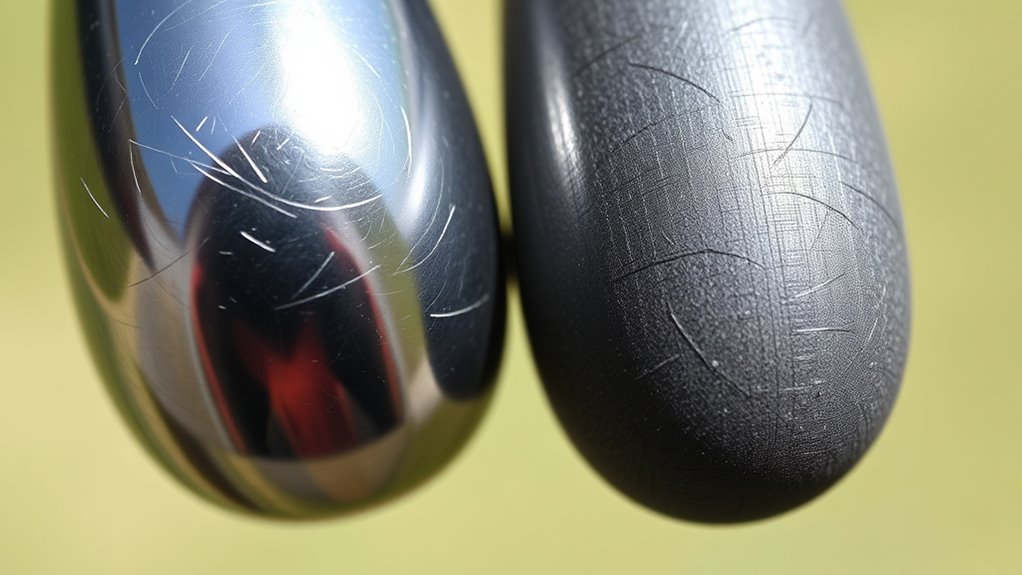
When choosing between steel and graphite shafts, you should consider how each material resists wear and handles exposure to elements. Steel shafts tend to be more resistant to corrosion and may require less maintenance over time, but they can be heavier and more prone to dents. Keep in mind that long-term costs include not just replacement but also the upkeep needed to maintain peak performance. Additionally, understanding the vetted quality and durability of the materials can help ensure you select a shaft that offers reliable performance over time. The corrosion resistance of materials can significantly influence the longevity and overall maintenance requirements of your shaft. Moreover, the material durability can impact how well the shaft withstands environmental factors, reducing the need for frequent repairs or replacements. Selecting a material with proven performance reliability can further optimize your investment and gameplay experience.
Resistance to Wear
Have you considered how well steel and graphite shafts stand up to wear over time? Durability impacts not just performance but also your grip comfort and aesthetic appeal. Here’s what you should know:
- Steel shafts are highly resistant to fatigue, maintaining their shape and strength longer.
- Graphite shafts are more prone to scratches and surface wear, which can affect the look.
- Steel’s durability supports consistent grip comfort, even after prolonged use.
- Graphite’s lighter weight may lead to less surface wear, but the material can chip or dent more easily.
- Proper maintenance and care can significantly extend the lifespan of graphite shafts, helping them resist surface damage and preserve their performance.
- Additionally, understanding the material properties helps in choosing a shaft that best matches your playing style and maintenance routine.
- Regular inspection and cleaning can prevent surface damage, ensuring the shafts retain their integrity and appearance over time.
- Being aware of wear resistance can guide you in selecting the most suitable shaft for your golfing needs, balancing durability and performance.
Ultimately, steel shafts offer better resistance to wear, keeping your club looking fresh and maintaining comfort. Graphite may need more care to preserve its appearance but can still perform well with proper maintenance.
Corrosion Susceptibility
Steel shafts, on the other hand, are more susceptible to environmental effects, especially moisture, which can weaken the material and lead to internal deterioration. While graphite shafts require less maintenance overall, they may need more careful handling in humid or wet environments to ensure longevity. Proper maintenance is essential to prevent corrosion, particularly if the steel shaft is exposed to salty or damp conditions. Your choice depends on how much maintenance you’re willing to commit to and your typical playing conditions. Considering corrosion resistance is important when selecting a shaft material for durability and low maintenance. Additionally, understanding how different materials respond to environmental exposure can help you choose the best option for your playing conditions. Being aware of environmental effects can guide you toward more resilient shaft choices. Regular inspections and protective coatings can further mitigate potential damage caused by environmental factors.
Long-term Cost Factors
While steel shafts tend to resist corrosion better than graphite, their long-term costs hinge on durability and maintenance. You should consider the following:
- Paint durability: Steel shafts often have more durable paint finishes, reducing touch-ups and repainting over time.
- Weight distribution: Steel’s consistent weight distribution can enhance durability, but it may also lead to faster wear if not properly maintained.
- Wear and tear: Graphite shafts may require replacement sooner due to scratches or delamination, increasing overall costs.
- Maintenance needs: Steel shafts generally need less frequent inspection, but when damaged, repairs or replacements can be costly.
- Overall family well-being: The choice of shaft material can influence your overall investment in equipment, which may impact your long-term family well-being and satisfaction with your golf gear.
Ultimately, your choice impacts long-term expenses based on how well you maintain the shaft’s surface and structural integrity.
Cost and Value: Which Material Offers Better Investment?
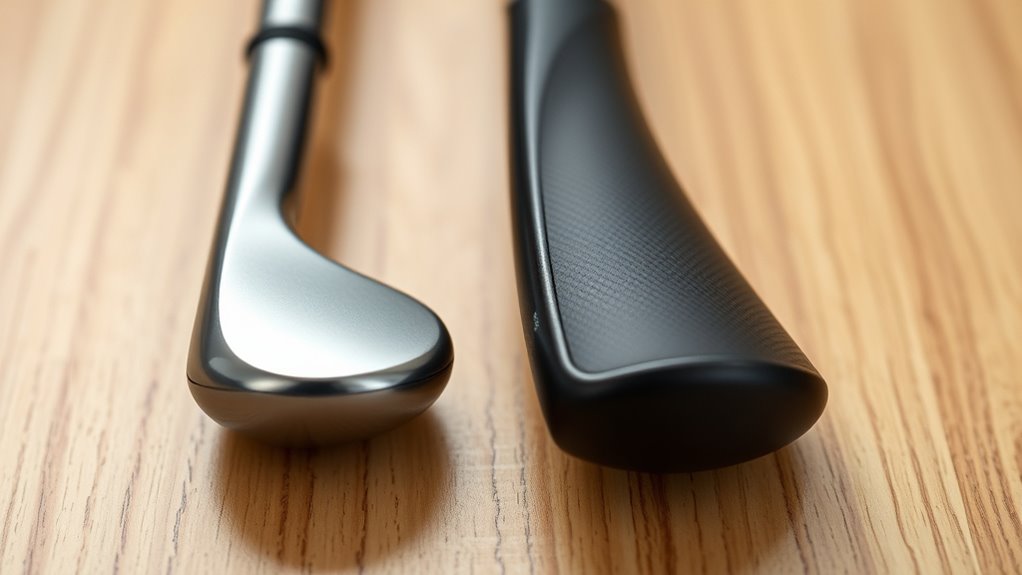
Choosing between steel and graphite shafts often comes down to their cost and long-term value. When you do a price comparison, graphite shafts tend to be more expensive upfront, but they may offer better performance for certain swings. Steel shafts are generally more affordable initially and durable over time, which can save you money in the long run. Consider also the brand reputation—well-known brands often charge a premium but provide reliable quality and consistency. If you’re on a tight budget, steel shafts offer excellent value, especially if durability is your priority. However, if you’re willing to invest in performance enhancements, graphite shafts might be a better long-term investment, especially when factoring in improved swing speed and comfort. Ultimately, your choice depends on what you value most in your game.
Choosing the Right Shaft Based on Your Playing Style
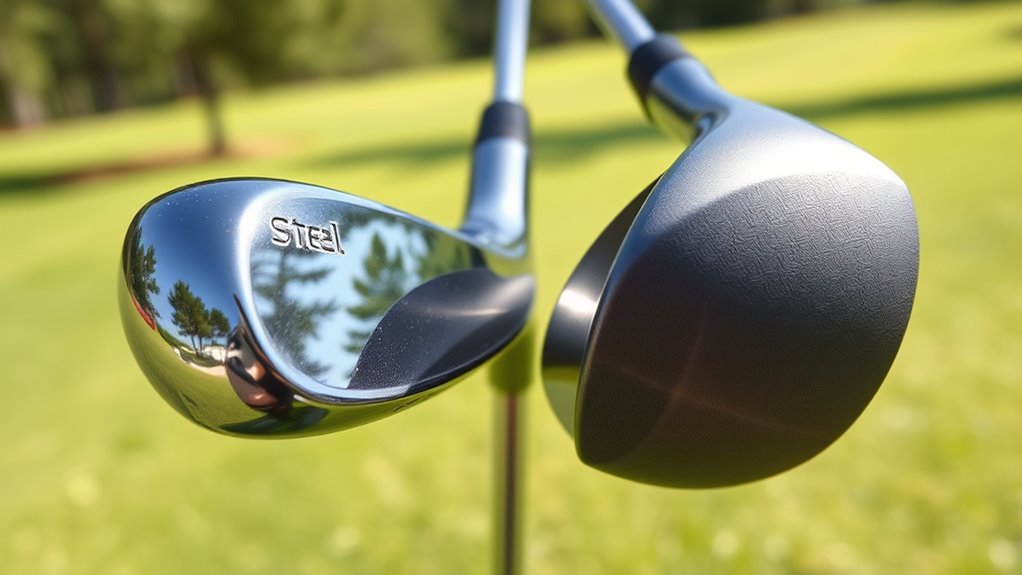
Your playing style plays a vital role in determining which shaft material will enhance your game the most. To choose wisely, consider these factors:
Your playing style is key to choosing the ideal shaft material for optimal performance.
- If you generate high swing speeds, graphite shafts can help reduce vibrations and improve comfort.
- For a smooth, controlled swing, steel shafts offer better feedback and consistency.
- Shaft aesthetics matter—select a material that matches your style, whether sleek graphite or traditional steel.
- Custom fitting options are essential; a professional fitting ensures the shaft matches your swing dynamics and enhances performance.
Frequently Asked Questions
How Do Steel and Graphite Shafts Perform in Different Weather Conditions?
Steel shafts generally perform well in all weather conditions because of their weather durability and moisture resistance, making them reliable in rain or humidity. Graphite shafts might be affected by moisture if not properly sealed, potentially impacting performance over time. You should consider weather conditions when choosing your shaft, as steel offers consistent durability, while graphite provides lightweight benefits but may need extra care in humid or wet environments.
Can Shaft Material Influence Injury Risk or Player Fatigue?
Sure, your shaft material can influence injury risk and fatigue, though you might think it’s just about swing mechanics. Graphite shafts, being lighter, can reduce strain and improve comfort, while steel offers durability that might cause more fatigue over time. Customization options let you tailor your club to your needs, but ignoring material choices could lead to unnecessary wear or injury. So, choose wisely to keep your game and body in sync.
Are There Environmental Impacts Associated With Manufacturing Steel vs. Graphite Shafts?
You should know that manufacturing steel shafts involves recycling challenges, as steel is highly recyclable but requires energy-intensive processes. Conversely, graphite shafts involve toxic emissions during production due to chemicals used in manufacturing. These environmental impacts mean steel has a lower environmental footprint if recycled properly, while graphite’s production can contribute more to pollution. Being aware of these issues can help you make environmentally conscious choices when selecting your golf shafts.
How Does Shaft Material Affect Overall Club Weight and Balance?
Your choice of shaft material directly impacts your club weight and balance, which are key for club customization. Steel shafts tend to be heavier, providing more control, while graphite shafts are lighter, helping to increase swing speed. Manufacturing costs also differ, influencing availability and price. Selecting the right material aligns with your swing style and preferences, ultimately enhancing your overall game by optimizing club feel and performance.
Do Professional Players Prefer Steel or Graphite Shafts, and Why?
Professional players tend to prefer graphite shafts because they offer better shaft durability and markedly reduce swing weight, helping increase clubhead speed. Many pros choose graphite for its lighter feel and vibration dampening, which improves comfort and control. While steel shafts are still favored in certain situations for their consistency and durability, most professionals opt for graphite to maximize performance and reduce fatigue during long rounds.
Conclusion
Ultimately, whether you choose steel or graphite shafts, it comes down to your swing and style. Both materials have their quirks—like steel’s old-school durability or graphite’s lightweight finesse—that can give you an edge or hold you back. Think of it as selecting your trusty steed, much like the knights of yore. Test both, consider your game, and you’ll find the perfect fit. After all, the right shaft can make all the difference—no matter what the bard says!