

Golf fashion has transformed from traditional tweed knickers and classic, timeless styles to vibrant, high-performance outfits featuring modern fabrics and innovative tech. You’ll see vintage-inspired looks with rugged durability shifted to sporty, colorful polos, patterned fabrics, and lightweight materials designed for comfort and movement. Today’s styles blend style with sustainability, incorporating eco-friendly textiles and smart accessories. If you want to discover exactly how these trends evolved and what’s next for golf style, keep exploring this fascinating journey.
Key Takeaways
- Early golf fashion featured durable, traditional garments like tweed jackets, knickers, and classic plaid patterns reflecting aristocratic origins.
- Post-war styles shifted to performance fabrics, bright colors, and bold patterns emphasizing comfort, mobility, and modern aesthetics.
- Modern golf attire combines vibrant color blocking, pattern mixing, and technical fabrics for both style and functional performance.
- Technological innovations introduced moisture-wicking, breathable textiles, wearable tech, and stylish accessories enhancing performance and personalization.
- Contemporary trends prioritize sustainability with eco-friendly materials, ethical manufacturing, and designs blending style with environmental responsibility.

Garmin Approach R10, Portable Golf Launch Monitor, Take Your Game Home, Indoors or to The Driving Range, Up to 10 Hours Battery Life - 010-02356-00
Work to improve your game at home, indoors or on the driving range with a portable launch monitor...
As an affiliate, we earn on qualifying purchases.
The Early Days: Tweed and Traditional Attire

In the early days of golf, players dressed in tweed and traditional attire that reflected the sport’s aristocratic roots. You’ll notice the vintage craftsmanship of these garments, crafted with durability and classic style in mind. Tweed jackets and knickers featured traditional patterns like herringbone, checks, and plaids, emphasizing timeless elegance. These outfits weren’t just about appearance—they were made to withstand the outdoor elements and rough play. The use of natural fabrics and meticulous tailoring showcased a dedication to quality. Wearing these clothes, you’d embody a sense of tradition and prestige, aligning with golf’s origins as a sport for the upper class. This era’s style remains a symbol of sophistication, echoing the sport’s heritage in every stitch. For enthusiasts interested in archival clothing, modern recreations often draw inspiration from these classic styles to preserve the sport’s historic charm. Additionally, Mastering R sounds in speech therapy techniques can be beneficial for individuals with speech challenges who wish to improve their verbal communication skills. The emphasis on fabric quality during this period highlights the importance of craftsmanship and material selection in creating authentic vintage golf attire. Furthermore, understanding tailoring techniques can help enthusiasts appreciate the fit and function of traditional golf garments, ensuring their authenticity and durability over time. Moreover, craftsmanship and material selection played a crucial role in ensuring that the garments fit perfectly and maintained their structured appearance over time.

Rapsodo MLM2PRO Golf Launch Monitor, Simulators for Home & Training, Mobile Launch Monitor for Golf Swing Analysis, Measures Spin Rate & Axis, Tracker & Swing Analyzer, Indoor Outdoor (3 Pro V1 Balls)
Advanced Golf Launch Monitor – The Rapsodo MLM2PRO golf launch monitor delivers pro-level accuracy, measuring 13 core golf...
As an affiliate, we earn on qualifying purchases.
The Post-War Era: Sporty and Functional Styles
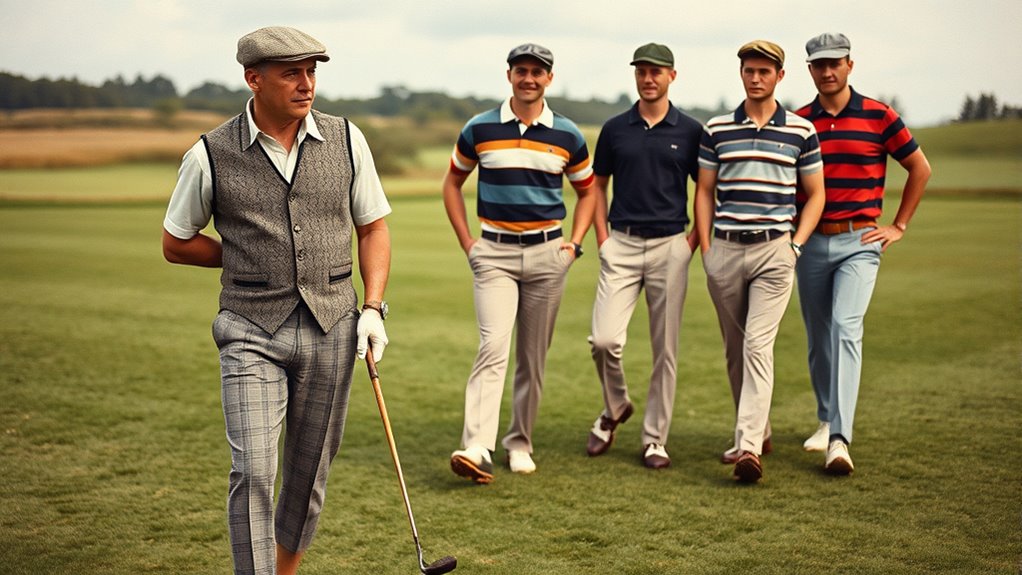
During the post-war era, golf fashion shifts toward performance fabrics that keep you comfortable and focused on your game. Bright colors and bold patterns become popular, adding energy to the course. Practical, functional attire takes center stage, emphasizing ease of movement and durability. Incorporating simple systems into golf clothing choices helps players maintain a calm and organized approach on the course. Additionally, the integration of innovative fabrics enhances moisture-wicking and breathability, further improving performance and comfort. The use of antimicrobial properties in athletic wear also contributed to better hygiene and freshness during play. Innovations in at-home beauty tech also influenced athletic wear, leading to the development of more adaptive and skin-friendly materials. Moreover, the adoption of smart textiles has begun to influence golf apparel, offering features like temperature regulation and improved stretchability.
Emphasis on Performance Fabrics
After World War II, golf fashion shifted focus toward performance fabrics that prioritized practicality and movement. You notice how designers began emphasizing fabrics that wick moisture, resist wrinkles, and stretch with your swing. This shift marked a move away from vintage craftsmanship and classic tailoring, which often emphasized aesthetics over function. Instead, the new fabrics allowed for better athletic performance without sacrificing style. You can see how this era embraced lightweight, breathable materials, making it easier to stay comfortable on the course. Golf apparel became more streamlined and functional, reflecting a sporty, modern approach. This focus on performance fabrics transformed golf fashion into a blend of innovation and practicality, setting the stage for the bold styles that follow. Technical textiles also played a key role in enhancing durability and moisture management in these garments, aligning with the rise of connected fitness technologies that promote long-term health and active lifestyles.
Bright Colors and Patterns
Bright colors and bold patterns burst onto the golf scene, transforming the sport’s look into a lively expression of modern style. Post-war players embraced flower prints and pastel shades, adding vibrancy to their attire. This era shifted focus from tradition to individuality, with eye-catching designs becoming common. You’ll notice the use of bright reds, blues, and greens paired with playful patterns that stand out on the course. To emphasize this shift, consider the following:
| Style Feature | Impact |
|---|---|
| Flower prints | Added a fresh, lively aesthetic |
| Pastel shades | Created a soft, approachable look |
| Bold patterns | Expressed personality and confidence |
This era marked a move toward sporty, functional styles that prioritized both performance and visual flair. Additionally, the integration of functional design elements ensured that style did not compromise comfort or practicality. Incorporating body jewelry measurements and materials further enhanced apparel durability and comfort for active play, making the clothing both stylish and practical as golf fashion continued to evolve. The adoption of performance fabrics helped golfers stay comfortable and dry during play, further blending style with utility. Modern innovations, such as moisture-wicking fabrics, also contributed to the performance and comfort of golf attire, blending style with function seamlessly.
Practical and Comfortable Attire
In the post-war era, golf attire shifted focus from flashy patterns to practicality and comfort, reflecting the growing emphasis on performance. You’ll notice a move toward sporty, functional styles that prioritize ease of movement on the course. Luxury brands began designing attire with performance fabrics, combining vintage inspiration with modern technology to create lightweight, breathable clothing. Think simple, clean lines, and muted tones that emphasize utility over ornamentation. Polo shirts, slacks, and knickers became staples, often crafted from materials that wick away sweat and allow flexibility. This era marked a departure from overly formal looks, making golf attire more accessible and comfortable. The influence of vintage styles persists today, blending classic aesthetics with contemporary performance features to suit the modern golfer’s needs. Additionally, understanding Mastering the Art of Bug Out Bags can help golfers prepare for unexpected travel or outdoor adventures beyond the golf course, emphasizing the importance of functional outdoor gear in their wardrobe. Incorporating seasonal clothing choices that adapt to weather variations ensures golfers remain comfortable throughout their rounds. Recognizing the importance of performance fabrics ensures that golfers stay comfortable and dry during their rounds, especially in unpredictable weather conditions. Furthermore, integrating astrological insights into personal style choices can enhance confidence and self-perception on and off the course.

Garmin Approach S12, Easy-to-Use GPS Golf Watch, 42k+ Preloaded Courses, Black, 010-02472-00
New round watch design with a high-resolution sunlight-readable display
As an affiliate, we earn on qualifying purchases.
The Colorful Revolution: Bright Polos and Modern Fabrics
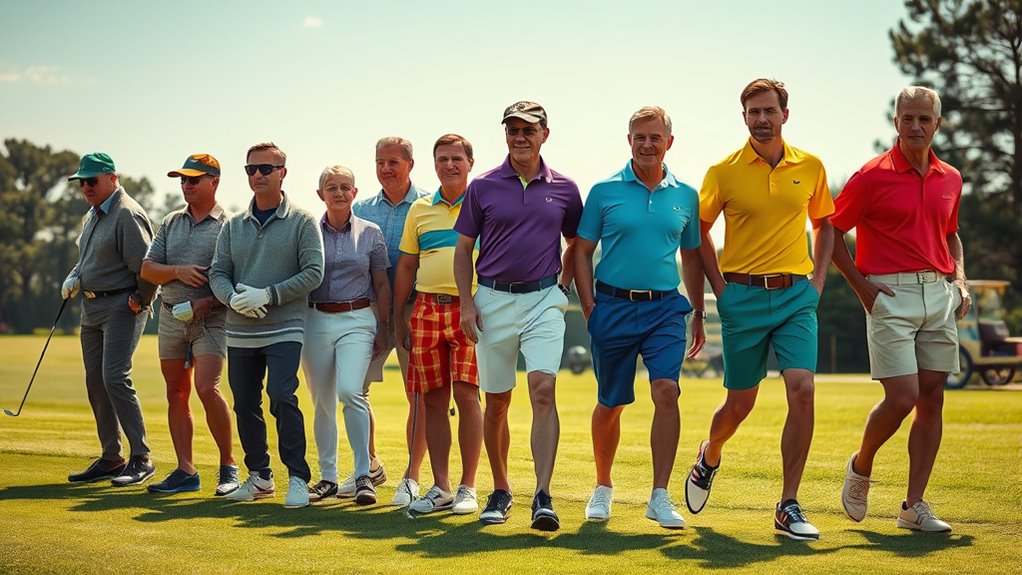
The transformation in golf fashion has been marked by a surge of vibrant colors and innovative fabrics that challenge traditional notions of understated elegance. Bright polos now showcase bold color blocking, making a statement on the course. You’ll notice pattern mixing becoming more common, adding personality to your look without sacrificing style. Modern fabrics provide comfort, stretch, and moisture-wicking properties, keeping you cool and focused. These innovations encourage you to experiment with colorful combinations, expressing individuality while maintaining a sporty vibe. The shift toward lively hues and advanced textiles reflects a more energetic approach to golf attire, inviting you to stand out confidently. Embrace this colorful revolution and elevate your game with eye-catching designs that blend fashion and function seamlessly.
| Color Blocking | Pattern Mixing |
|---|---|
| Bold, geometric sections | Combining contrasting patterns |
| Creates visual interest | Adds personality to outfits |
| Popular in modern polos | Perfect for a fresh, contemporary look |

Zensouds Golf Net, 10x7FT with Golf Practice Mat, Hitting Aid Nets for Backyard Driving Chipping Training Swing with Targets Outdoor or Indoor– Gifts for Men/Dad/Him
【Multiple Target Golf Net- Golf Simulators for Home 】Our 10*7ft golf hitting net features a central bullseye target...
As an affiliate, we earn on qualifying purchases.
Technological Advances: Performance Materials and Innovations
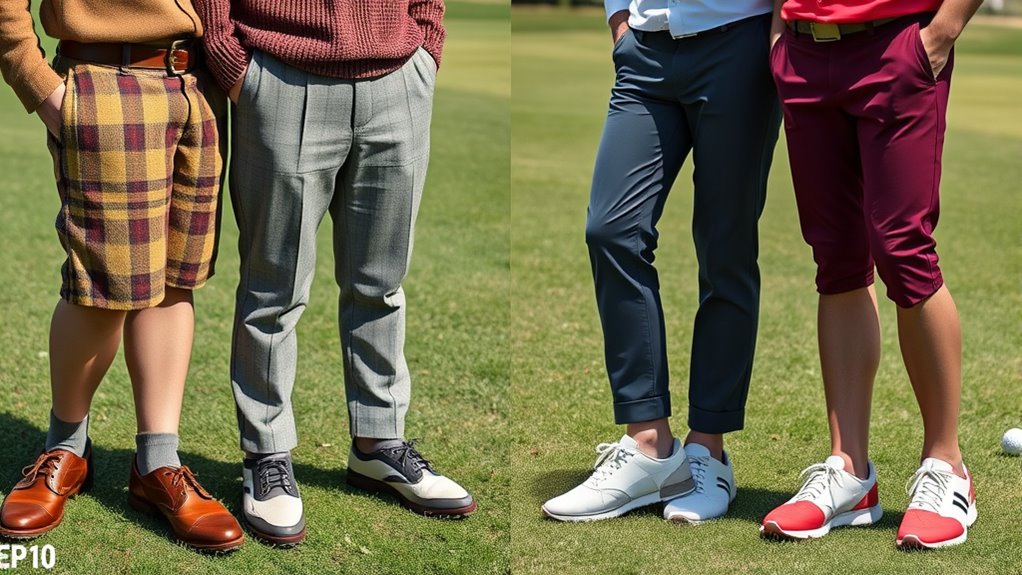
Advancements in textile technology have revolutionized golf apparel, enabling you to perform at your best on the course. Today’s performance materials incorporate sustainable options, so you can enjoy high-quality, eco-friendly clothing. These fabrics often feature moisture-wicking, breathability, and quick-drying properties, helping you stay comfortable and focused. Wearable technology has also made its way into golf apparel, offering features like embedded sensors that track your swing, cadence, and heart rate. This innovation allows you to analyze your game in real-time and make data-driven adjustments. Modern golf clothing combines style with function, pushing the boundaries of traditional apparel while prioritizing sustainability and performance. These technological advances guarantee you’re equipped with gear that enhances your game and respects the environment. As the industry continues to evolve, the influence of haute couture principles, such as intricate craftsmanship and innovative design, inspire the development of premium golf fashion that balances elegance with functionality.
Accessories and Details: From Caps to Golf Shoes
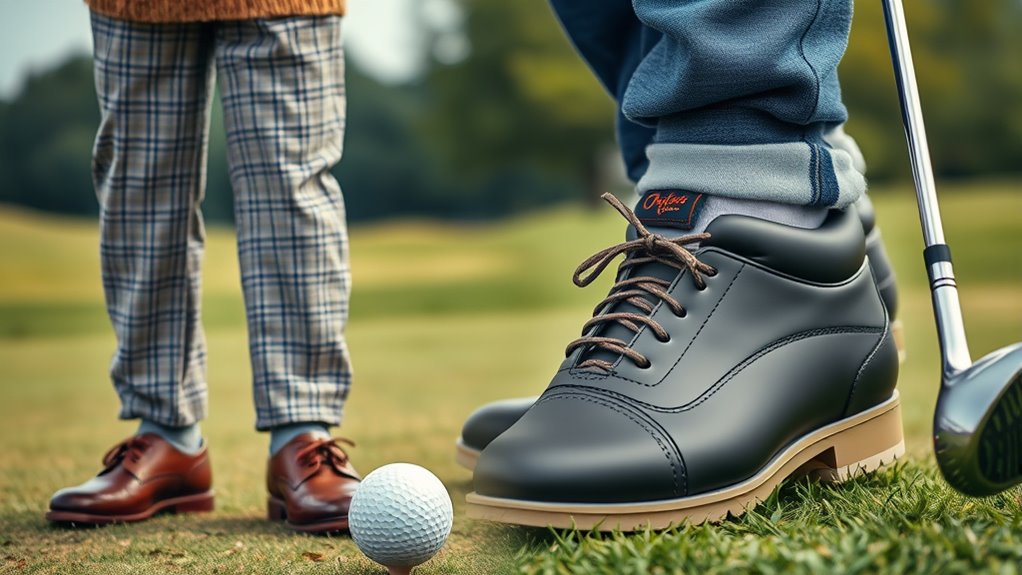
Accessories and details play a essential role in completing your golf look and enhancing performance on the course. Hat styles have evolved from classic flat caps to modern visors and caps designed for sun protection and style. Choosing the right hat not only helps keep you cool but also adds a personal touch to your outfit. Golf glove designs have also advanced, offering better grip, comfort, and durability. Modern gloves feature breathable materials and strategic padding to improve your swing. Your shoes complete the ensemble, providing stability and comfort with innovative soles and supportive designs. Whether it’s a sleek pair of golf shoes or a stylish cap, these accessories elevate your game and style, making every round both functional and fashionable.
Contemporary Trends: Merging Style With Sustainability
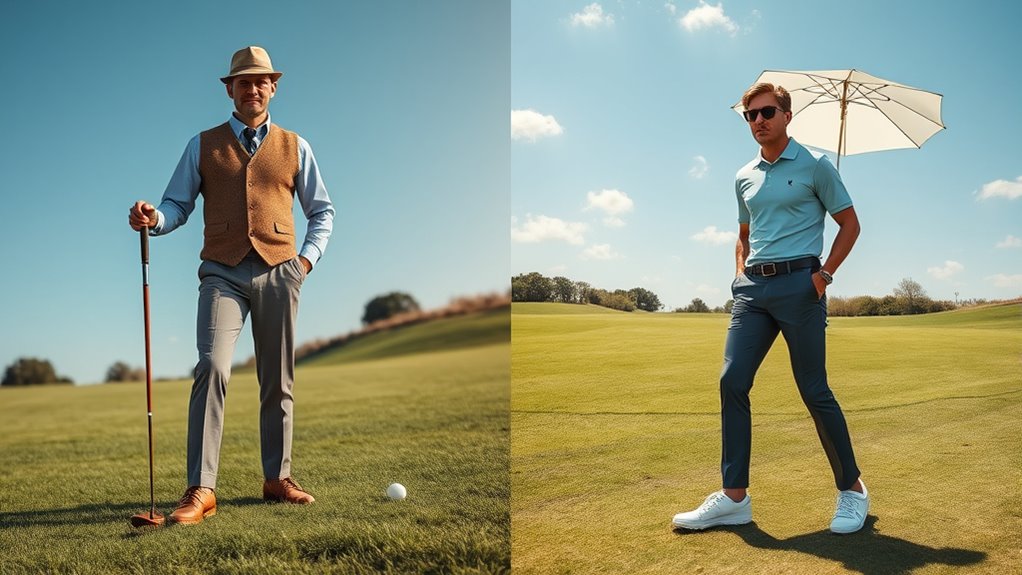
As sustainability becomes a key consideration in fashion, modern golf styles are seamlessly blending eco-friendly materials with cutting-edge design. You’ll notice many brands now prioritize sustainable fabrics like recycled polyester, organic cotton, and biodegradable textiles. These materials help reduce environmental impact while maintaining performance and style. Additionally, ethical manufacturing practices guarantee fair labor conditions and responsible sourcing, giving you confidence in what you wear. Designers are creating sleek, functional golf apparel that doesn’t compromise on aesthetics or sustainability. This merging of style with eco-consciousness means you can look good on the course while supporting brands committed to reducing their carbon footprint. By choosing clothing made through ethical manufacturing, you’re contributing to a more sustainable future for golf fashion and beyond.
Frequently Asked Questions
How Did Golf Fashion Influence Mainstream Casual Wear Over the Decades?
You see how golf fashion has shaped mainstream casual wear through vintage styles and the fashion evolution. Classic golf pieces like polo shirts, chinos, and sweaters have become everyday staples, blending comfort with style. The sport’s influence encourages relaxed yet polished looks, inspiring brands to adopt these timeless elements into casual wardrobes. As a result, golf’s sophisticated, sporty aesthetic continues to impact modern fashion trends.
What Role Did Celebrity Golfers Play in Shaping Golf Fashion Trends?
You might think celebrity golfers only inspire fans, but their influence extends to fashion, shaping trends worldwide. Celebrity influence and iconic sponsorships, like Tiger Woods with Nike or Phil Mickelson with Callaway, set new standards in golf apparel. As you see these players wear stylish, functional gear, they push mainstream casual wear to become more sporty and sophisticated, making their fashion choices impactful beyond the course.
Are There Regional Differences in Traditional Golf Attire Worldwide?
You’ll notice regional styles in golf attire influenced by cultural influences, resulting in distinct traditional looks worldwide. For example, in Scotland, you might see more tweed, reflecting local heritage, while in Japan, modern, sleek polos and accessories dominate, blending tradition with contemporary fashion. These regional differences showcase how cultural influences shape golf fashion, making it a unique expression of local identity and style across the globe.
How Have Golf Dress Codes Evolved With Changing Fashion Standards?
Ever wondered how golf dress codes have changed over time? You see, the dress code evolution reflects shifting fashion standards, becoming more relaxed yet still maintaining tradition. Today’s courses often accept modern polos and tailored shorts, moving away from strict requirements like knickers or blazers. This flexibility allows players to express personal style while respecting the sport’s heritage. Are you ready to embrace this blend of tradition and modernity on the course?
What Sustainable Materials Are Currently Popular in Golf Apparel?
You’ll find that recycled polyester and organic cotton are popular sustainable materials in golf apparel. Recycled polyester, made from plastic bottles, offers durability and moisture-wicking properties, while organic cotton provides comfort without harmful chemicals. These materials help reduce environmental impact, so you can play your best while supporting eco-friendly practices. Many brands now incorporate them into their designs, making sustainable golf clothing stylish, functional, and environmentally responsible.
Conclusion
As you’ve seen, golf fashion has come a long way, blending tradition with innovation. From tweed knickers to modern polos, styles have evolved, but the goal remains the same: look sharp and perform your best. Remember, fashion is fleeting, but style is eternal—so find what works for you and own it. Embrace the journey, and you’ll always be dressed for success on and off the course.