
Golf’s return to the Olympics after 112 years marked a major comeback, driven by global support and evolving values. Originally played in early 20th-century Games, it was absent due to concerns about amateur status, equipment costs, and environmental impact. The 2016 Rio Olympics showcased golf’s scenic courses and international appeal, helping it reclaim its spot. To learn how this historic return influences the sport’s future, keep exploring the story behind this exciting revival.
Key Takeaways
- Golf was part of the Olympics from 1900-1904 but then absent for 112 years due to logistical, environmental, and ideological challenges.
- Campaigns and global support led to golf’s reintroduction in the 2016 Rio Olympics after decades of lobbying.
- The 2016 event at Reserva de Marapendi marked golf’s historic return, showcasing scenic courses and top international players.
- The reentry boosted golf’s global popularity, especially in regions with less prior exposure, and increased youth participation.
- Future developments focus on technological innovations and promoting sustainability to sustain golf’s Olympic presence.

Garmin Approach S12, Easy-to-Use GPS Golf Watch, 42k+ Preloaded Courses, Black, 010-02472-00
New round watch design with a high-resolution sunlight-readable display
As an affiliate, we earn on qualifying purchases.
The Origins of Golf and Its Early Olympic Participation
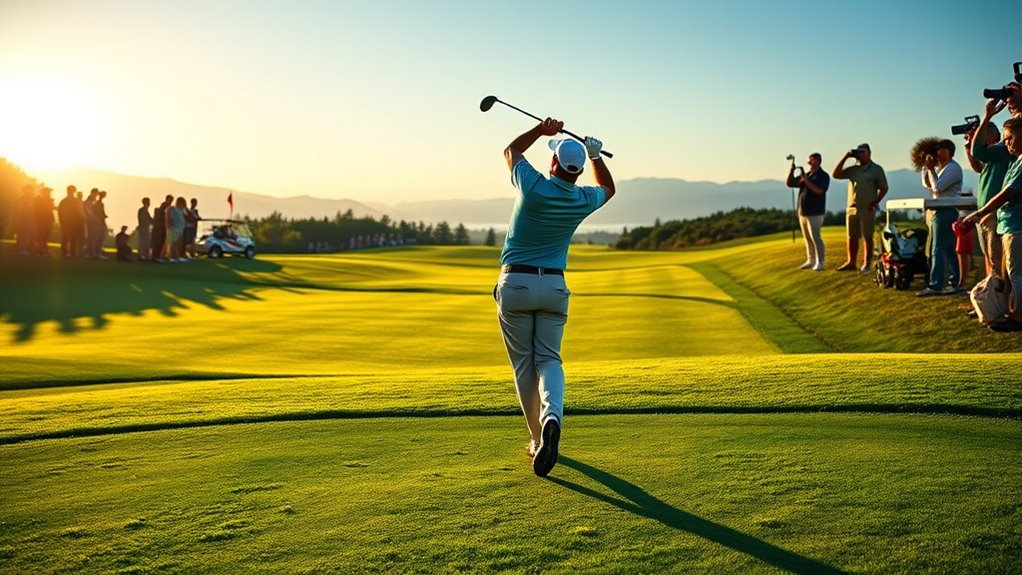
Golf has a long history that dates back centuries, originating in Scotland in the 15th century. As you explore golf history, you’ll discover its early popularity spread across Europe and beyond. In the late 19th century, golf gained formal recognition, leading to its inclusion in the Olympic program. The initial Olympic golf competitions followed specific Olympic rules, emphasizing standardized equipment and fair play. Golf appeared in the 1900 Paris Olympics and again in 1904 St. Louis, marking its first official Olympic participation. During this period, the sport was mainly played by amateurs, aligning with the Olympic ideals of amateurism. These early tournaments helped establish golf’s presence on the international stage, setting the foundation for its future Olympic return.

Garmin Approach R10, Portable Golf Launch Monitor, Take Your Game Home, Indoors or to The Driving Range, Up to 10 Hours Battery Life - 010-02356-00
Work to improve your game at home, indoors or on the driving range with a portable launch monitor...
As an affiliate, we earn on qualifying purchases.
Reasons Behind Golf’s Absence From the Olympics for Over a Century
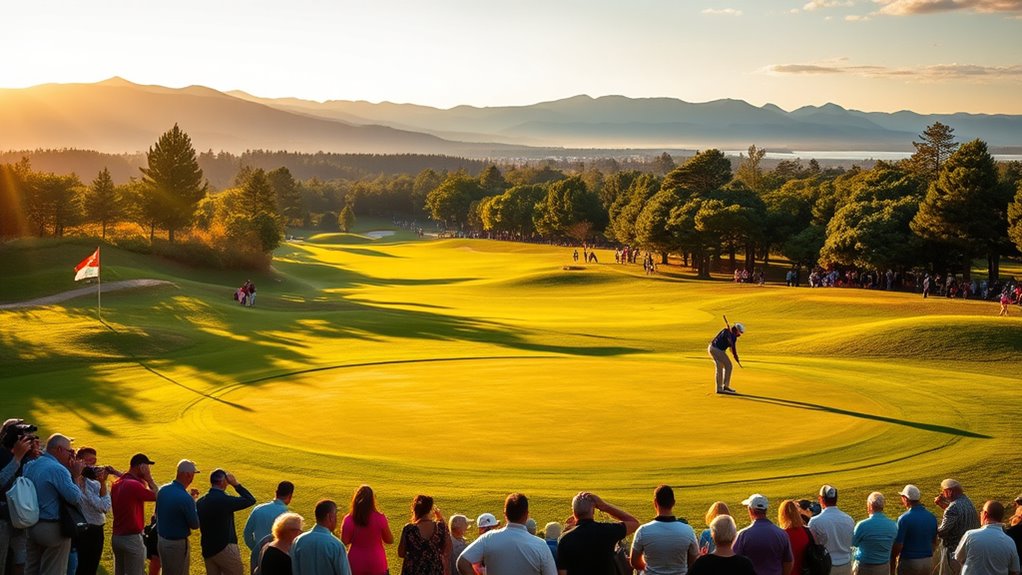
Although golf was part of the Olympics in the early 20th century, its absence for over a century resulted from a combination of factors. One major reason was the sport’s perception as a leisure activity, making it less suitable for the competitive Olympic atmosphere focused on athleticism. Additionally, the complexity of golf equipment, which varies greatly and requires specialized gear, posed logistical challenges for international competition. Some critics questioned whether golf’s professional players would align with the amateur ideals historically emphasized by the Olympics. The sport’s focus on Olympic medals, often seen as rewards for athletic achievement, clashed with golf’s professional tours. These reasons contributed to golf’s long absence, as organizers debated its place within the Olympic program. Furthermore, the sport’s high equipment costs and need for specific playing conditions further limited its compatibility with the Olympic format.

Rapsodo MLM2PRO Golf Launch Monitor, Simulators for Home & Training, Mobile Launch Monitor for Golf Swing Analysis, Measures Spin Rate & Axis, Tracker & Swing Analyzer, Indoor Outdoor (3 Pro V1 Balls)
Advanced Golf Launch Monitor – The Rapsodo MLM2PRO golf launch monitor delivers pro-level accuracy, measuring 13 core golf...
As an affiliate, we earn on qualifying purchases.
The Campaign for Golf’s Return to the Olympic Program
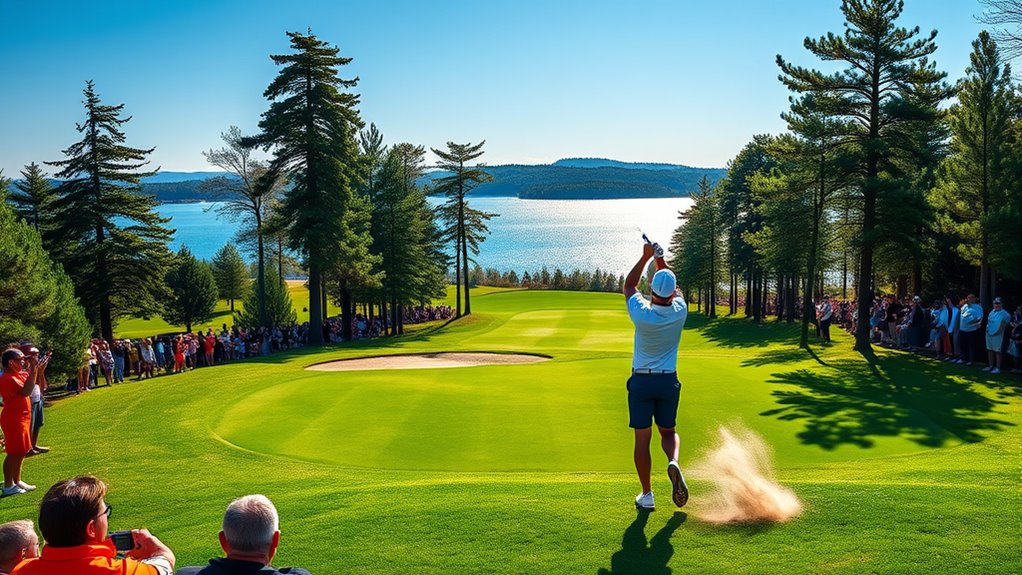
You can see how advocacy and lobbying efforts have rallied support from players and organizations worldwide. This momentum keeps growing as more countries back golf’s return to the Olympics. Additionally, the resale value of equipment and increased visibility for the sport create further incentives for its inclusion. The inclusion of golf could also encourage sustainable sporting practices, aligning with broader environmental goals. Moreover, integrating golf into the Olympics can boost global participation, fostering the growth of the sport in new markets. These developments are supported by the international sports community, which recognizes the potential for a more diverse and inclusive Olympic program. Together, these forces are shaping a stronger case for reintroducing the sport on the global stage. The push for Free Floating concepts highlights the importance of adaptable and innovative approaches to Olympic sports inclusion.
Advocacy and Lobbying Efforts
Efforts to bring golf back to the Olympics have gained momentum through dedicated advocacy and lobbying campaigns. You understand that securing widespread support is essential, especially as sponsorship challenges threaten to limit the sport’s visibility and funding. Advocates focus on demonstrating golf’s global appeal and its ability to attract new audiences. You also recognize that athlete qualification remains a key issue; promoting fair and inclusive criteria ensures top players can compete without barriers. By engaging with national federations, influential players, and international organizations, you help push the message that golf’s Olympic return benefits the sport and the Olympics themselves. These strategic efforts aim to overcome obstacles, solidify support, and ultimately secure golf’s place on the Olympic program once again.
Global Support and Momentum
The momentum to bring golf back to the Olympics has gained significant traction as support from countries, athletes, and fans continues to grow worldwide. Golf’s cultural significance spans generations and borders, making it a universal sport that resonates globally. Technological advancements, such as improved equipment and digital media, have increased the sport’s visibility and engagement, fueling enthusiasm for its Olympic return. Countries see golf as a way to showcase their talent and foster international camaraderie. Fans worldwide rally behind the cause, sharing stories and advocating for inclusion on the Olympic program. This collective support creates a powerful wave of momentum, demonstrating that golf’s blend of tradition and innovation aligns perfectly with the Olympic spirit and its evolving global appeal. Study techniques and strategic advocacy play crucial roles in sustaining this momentum and ensuring golf’s successful return to the Olympic stage. Furthermore, the sport’s environmental regulations and sustainability efforts are increasingly important to international organizers, contributing to its favorable outlook. As awareness of plant-based remedies and holistic approaches grows, the integration of sustainable practices in sports like golf underscores a shared commitment to environmental responsibility. Additionally, the adoption of wellness technology in athlete training and preparation reflects a broader trend toward health and sustainability in sports. Moreover, the increasing focus on sustainable sports practices aligns with global efforts to promote environmental conservation within the athletic community.

Callaway Swing Easy Golf Swing Trainer Aid, Orange
Golf Training Aid: Our golf swing aid reinforces the key fundamentals of a good golf swing
As an affiliate, we earn on qualifying purchases.
The 2016 Rio Olympics: Golf’s Grand Comeback
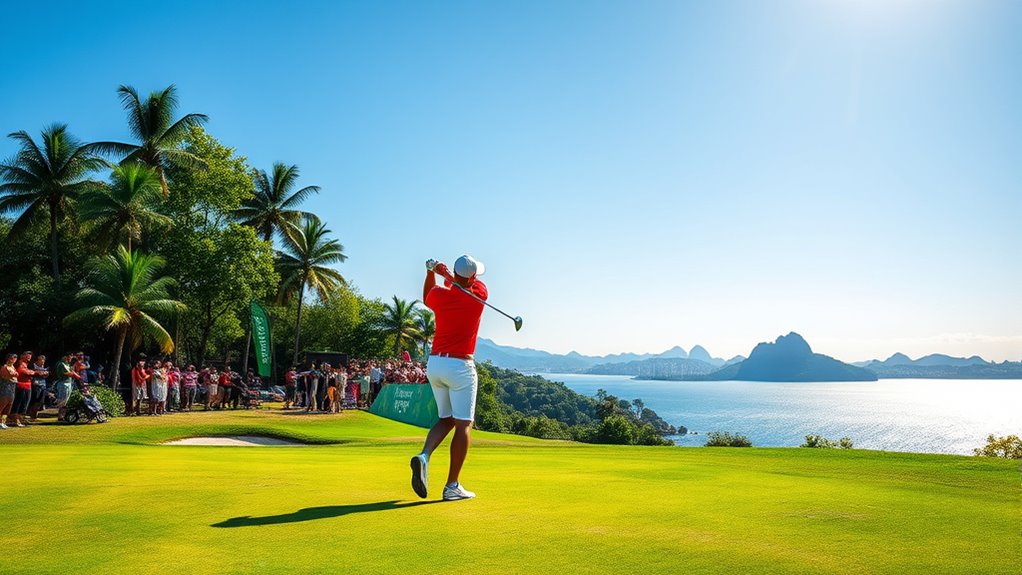
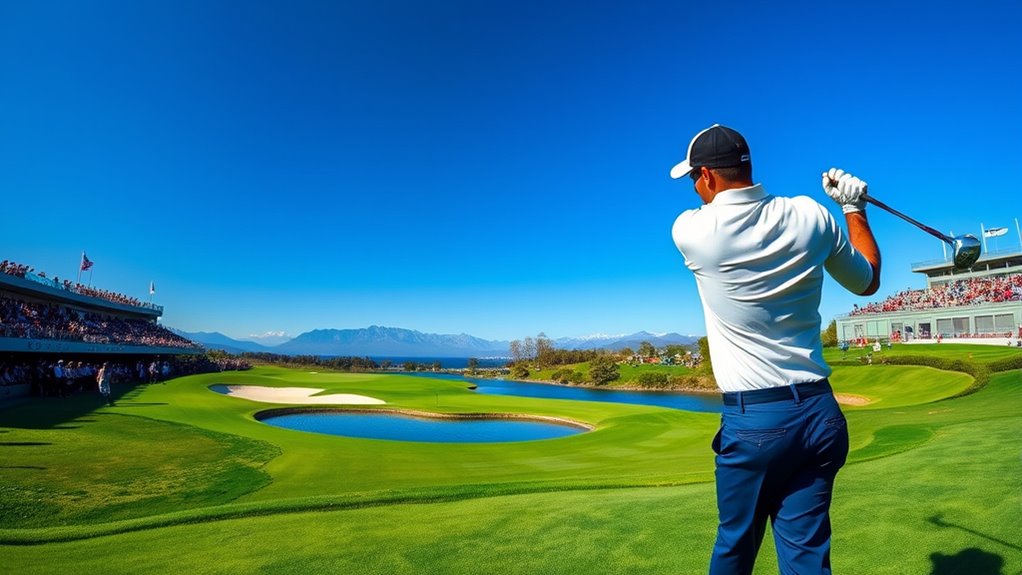
The 2016 Rio Olympics marked golf’s exciting return to the Games after a 112-year absence. The event was held at the stunning Olympic Golf Course, designed specifically for the occasion. This venue selection highlighted both the sport’s revival and its ability to showcase iconic locations on the world stage. Additionally, the event served as a showcase for home decor inspiration, as the vibrant and scenic course provided a picturesque backdrop for the competition. The natural surroundings of the course also contributed to a sense of energetic alignment, enhancing players’ focus and performance throughout the event. Proper maintenance of the course, including air quality considerations, helped ensure optimal conditions for the athletes, demonstrating the importance of environmental factors in outdoor sporting events. The lush landscape and carefully managed course aesthetics further elevated the visual appeal of the event.
Golf’s Olympic Reappearance
After a 112-year absence, golf made a triumphant return to the Olympic program at the 2016 Rio Games, capturing the world’s attention. This moment marked a significant milestone in golf history, emphasizing its global appeal and enduring relevance. The inclusion of golf also showcased Olympic symbols like the five interlocked rings, representing unity across nations, and the Olympic motto, “Citius, Altius, Fortius,” inspiring athletes to perform their best. Your excitement grew as you watched top golfers from around the world compete on the lush Rio courses, bringing new energy to the Olympics. This reappearance reaffirmed golf’s place on the world stage, blending rich tradition with modern competition. It was a powerful reminder of sport’s ability to unite cultures through shared passion. Fan communities have played a vital role in celebrating and promoting golf’s return to the Olympics, demonstrating how dedicated enthusiasts can influence and revitalize sports history. Additionally, the event highlighted the importance of international cooperation in organizing such a major sporting spectacle, fostering goodwill among nations. Recognizing golf’s global appeal helped ensure its continued presence in future Olympic Games, reinforcing its status as a sport that transcends borders. The successful hosting of golf at Rio underscored the significance of event planning and logistics in making large-scale international sports competitions possible. Furthermore, the event demonstrated how modern sports management strategies contribute to the seamless execution of global sporting events.
Iconic Venue Selection
Selecting the perfect venue for golf in the 2016 Rio Olympics was a strategic decision that underscored the event’s significance. You recognize the importance of choosing an iconic venue that would showcase the sport’s heritage and challenge top players. The Olympic course at Reserva de Marapendi was selected for its stunning coastal views and challenging layout. To guarantee it met international standards, organizers considered several factors:
- Existing course records and player performance history
- Iconic venues with a reputation for memorable tournaments
- Accessibility and logistical support for spectators and media
- Compatibility with Rio’s natural landscape and climate
- Golf course standards ensured the course adhered to the necessary quality and safety benchmarks for Olympic competition. Additionally, the venue’s unique coastal environment contributed to the course’s distinctive challenge and appeal.
This careful selection aimed to elevate golf’s profile at the Olympics, making the return memorable for players and fans alike.
Key Players and Countries in the Modern Olympic Golf Scene
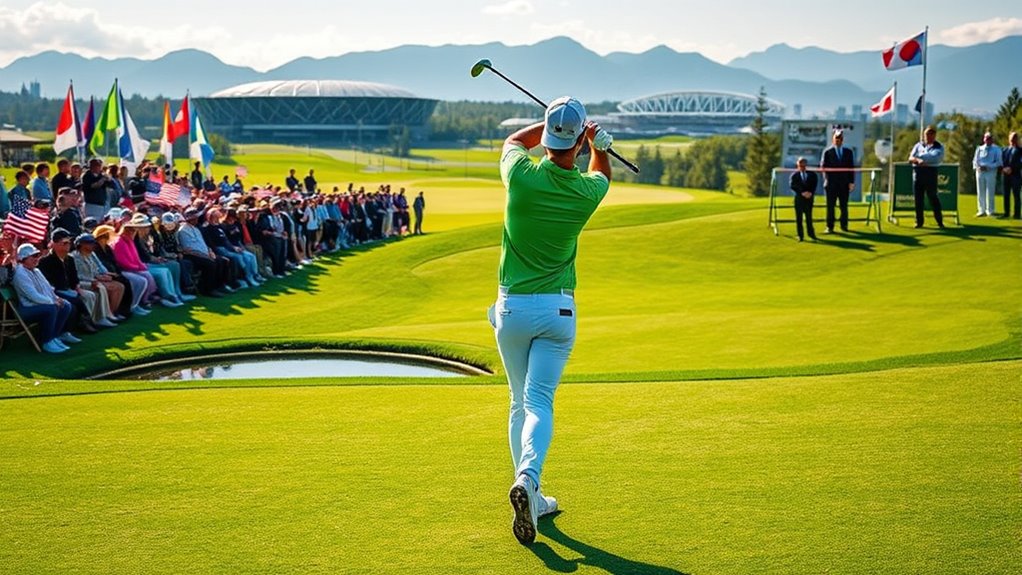
Several countries and top players have emerged as key contenders in the modern Olympic golf scene, shaping the competition’s landscape. You’ll notice that amateur participation is highly valued, with many athletes competing at the highest levels while maintaining amateur status. This emphasis keeps the spirit of the Games alive, contrasting with professional tours. Equipment regulations also play a vital role, ensuring fair play and consistency across competitors. Countries like the United States, South Korea, and Japan consistently produce top contenders, thanks to strong golf programs and training facilities. Top players from these nations often dominate the leaderboard, showcasing their skill and dedication. Their success reflects a blend of national support, adherence to regulations, and their ability to balance amateur participation with elite performance.
Challenges and Controversies Surrounding Golf’s Inclusion
While the inclusion of golf in the Olympics has revitalized the sport and offered global exposure, it hasn’t been without its challenges and controversies. You may encounter issues like diplomatic disputes, where nations dispute hosting rights or athlete participation. Environmental concerns also surface, especially regarding the construction and maintenance of golf courses in sensitive ecosystems. Additionally,:
Golf’s Olympic inclusion faces challenges like diplomatic disputes and environmental concerns.
- The tournament’s scheduling conflicts with professional tours, affecting player participation.
- The debate over whether golf’s amateur status aligns with Olympic ideals.
- Concerns over the cost and sustainability of venues, impacting host cities.
- The perceived lack of global diversity among competing nations, fueling debates on inclusivity.
These factors highlight ongoing tensions between tradition, environmental responsibility, and the sport’s global integration.
The Impact of Olympic Golf on the Sport’s Global Popularity
The inclusion of golf in the Olympics has considerably boosted the sport’s global visibility and popularity. As part of golf history, its return to the Olympic program has introduced the sport to millions worldwide, especially in regions where it was less prominent. Being an Olympic sport elevates golf’s profile, attracting new players and fans across diverse countries. This exposure encourages local clubs, tournaments, and youth programs, fueling growth at the grassroots level. Athletes competing on the world stage inspire future generations, increasing participation and interest. Overall, Olympic golf’s presence helps solidify its place as a major Olympic sport, expanding its reach beyond traditional markets and fostering a broader, more engaged global community.
Future Prospects for Golf in the Olympic Games
Looking ahead, the future of golf in the Olympic Games depends on ongoing efforts to maintain its relevance and appeal. Technological innovations, like advanced tracking and virtual reality, can enhance spectator engagement and athlete performance. Additionally, expanding global broadcasting can boost economic impacts, attracting new sponsors and audiences worldwide. To secure its place, the sport must adapt to changing viewer preferences and demonstrate its value to host cities and sponsors alike. Key strategies include:
Advancing golf’s Olympic future through technology, global reach, and sustainable economic growth.
- Integrating cutting-edge technology to elevate the viewing experience
- Promoting youth participation through innovative formats
- Highlighting the sport’s global reach to increase sponsorship opportunities
- Ensuring sustainable economic impacts for host countries and stakeholders
These steps will help golf stay competitive and relevant in future Olympic programs.
Frequently Asked Questions
How Did Golf’s Format Change for Its Olympic Return?
You’ll notice that golf’s format for its Olympic return changed to match Olympic rules, emphasizing a more concise and fair competition. The tournament now features stroke play over four days, with players competing in individual and team events. This format guarantees consistency, making it easier to compare players’ performances. The adjustments reflect the Olympics’ standards, creating a fair and exciting environment for fans and athletes alike.
What Were the Main Reasons for Golf’s Absence From 1904 to 2016?
They say “timing is everything,” and that’s true for golf’s absence from the Olympics. You see, strict amateur restrictions and scheduling conflicts kept golf out from 1904 until 2016. These rules made it tough for top professionals to participate, and Olympic dates often clashed with major tournaments. As a result, golf wasn’t included, but its return reflects a shift towards embracing the best players worldwide.
How Has Olympic Golf Influenced Youth Participation Worldwide?
Olympic golf has boosted youth engagement and inspired more global participation. You’re more likely to see young players motivated by the sport’s Olympic presence, which showcases talent on a worldwide stage. This visibility encourages kids and teens from diverse backgrounds to pick up clubs and pursue golf seriously. As a result, the sport’s popularity spreads, fostering a new generation of golfers enthusiastic to compete in future Olympics and beyond.
Which New Countries Emerged as Strong Contenders in Olympic Golf?
You’ll notice that countries like Japan, South Korea, and Australia have emerged as strong contenders in Olympic golf, driven by intense country rivalries and emerging stars. These nations invest heavily in training programs, which fuels their athletes’ performances. Their emerging stars challenge traditional powerhouses, creating exciting new rivalries. As a result, Olympic golf becomes more competitive, inspiring you to follow these rising nations and their promising athletes, making the sport more dynamic and engaging.
What Are the Long-Term Plans for Golf’s Inclusion in Future Olympics?
Golf’s grand plan promises prolonged participation, prioritizing prize pools, sponsorship opportunities, and athlete qualification. You’ll see the sport stay steady in future games through strategic schedule setting, maintaining momentum, and maximizing media exposure. Organizers aim to solidify golf’s spot, ensuring sustainability and support from stakeholders. By focusing on these facets, golf’s long-term Olympic future looks promising, paving the way for passionate players and enthusiastic spectators alike.
Conclusion
You’ve seen how golf’s return after 112 years has reignited global excitement, with over 120 countries now competing in Olympic golf events. This resurgence proves the sport’s universal appeal and growing popularity. As more nations join, golf’s Olympic journey continues to evolve, promising even more thrilling competitions ahead. So, next time you watch a golf tournament, remember—it’s not just about the game, but about uniting the world through sport.