
Many golf courses shut down due to financial struggles from declining memberships, increased operational costs, and economic downturns that reduce revenue. Environmental regulations, extreme weather, and land development also threaten their longevity. Additionally, changing recreational preferences and competition from modern activities pull players away. If you want to understand the full picture of these challenges and what’s being done to preserve golf courses, keep exploring these critical issues.
Key Takeaways
- Economic downturns and financial mismanagement reduce revenue, making course operations unsustainable.
- Declining membership and changing demographics lower user engagement and community support.
- Rising operational, maintenance, and environmental costs strain budgets and threaten profitability.
- Climate change, weather events, and land development cause physical damage and reduce available land.
- Competition from alternative recreational activities and evolving consumer preferences diminish golf’s appeal.

Rapsodo MLM2PRO Golf Launch Monitor, Simulators for Home & Training, Mobile Launch Monitor for Golf Swing Analysis, Measures Spin Rate & Axis, Tracker & Swing Analyzer, Indoor Outdoor (3 Pro V1 Balls)
Advanced Golf Launch Monitor – The Rapsodo MLM2PRO golf launch monitor delivers pro-level accuracy, measuring 13 core golf...
As an affiliate, we earn on qualifying purchases.
Economic Pressures and Financial Challenges
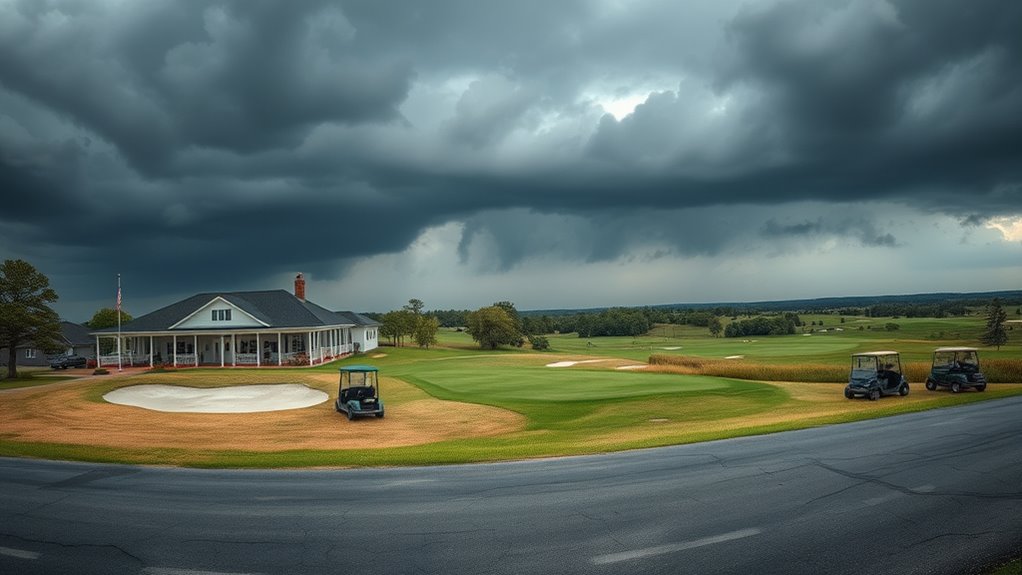
Economic pressures have made it increasingly difficult for many golf courses to stay afloat. Market fluctuations, such as swings in the economy or shifts in consumer spending, directly impact your revenue streams. When the economy dips, fewer players are willing to spend on golf, leading to reduced income. Additionally, financial mismanagement can worsen these challenges, as poor budgeting or excessive debt drain resources needed for upkeep and improvements. You might find yourself stuck in a cycle where declining revenue leads to cutbacks, further diminishing the course’s appeal. These financial strains make it hard to cover operational costs, maintain quality, or invest in marketing. Without careful financial planning and adaptability, your golf course risks falling behind or shutting down altogether. Moreover, financial scams targeting golf course owners can exacerbate these financial hardships if not properly identified and avoided, emphasizing the importance of understanding financial terms and jargon to safeguard assets.

Garmin Approach R10, Portable Golf Launch Monitor, Take Your Game Home, Indoors or to The Driving Range, Up to 10 Hours Battery Life - 010-02356-00
Work to improve your game at home, indoors or on the driving range with a portable launch monitor...
As an affiliate, we earn on qualifying purchases.
Declining Membership and User Engagement

As fewer golfers visit your course, membership numbers decline, and overall user engagement drops sharply. This membership decline leads to fewer repeat visits and less community involvement, which further diminishes the course’s appeal and financial viability. To reverse this trend, consider these strategies:
- Offer flexible membership options to attract diverse players
- Invest in marketing campaigns targeting local communities
- Organize events and tournaments to boost participation
- Enhance amenities and services to improve overall experience
- Improve color accuracy and visual appeal of the course environment through better lighting and signage to attract more visitors. Additionally, maintaining a well-designed and visually appealing landscape can significantly draw in new members and retain existing ones. Fostering a strong sense of community involvement among members also encourages loyalty and ongoing engagement. Implementing modern marketing techniques can further expand your reach and attract a broader audience. Creating a vibrant and inviting atmosphere can also help combat membership decline by making the course a popular gathering spot.
Addressing these engagement challenges is vital to maintaining your course’s relevance and financial stability. When members feel valued and engaged, they’re more likely to stay committed and bring friends. Overcoming membership decline requires proactive efforts to create a welcoming environment that encourages regular play and community building. Without action, these engagement issues may accelerate course shutdowns.

Callaway Swing Easy Golf Swing Trainer Aid, Orange
Golf Training Aid: Our golf swing aid reinforces the key fundamentals of a good golf swing
As an affiliate, we earn on qualifying purchases.
Rising Maintenance and Operational Costs

Rising maintenance and operational costs pose a significant challenge for golf courses trying to stay profitable. Maintaining lush golf course landscaping requires constant attention, expensive equipment, and high-quality supplies, driving up expenses. Additionally, course renovation projects to improve playability and appearance demand substantial investment, which can strain budgets. These increased costs force you to allocate more funds to keep the course in top condition, often reducing profits or leading to closures. Operations such as staffing, irrigation, and pest control add to the financial burden. If costs continue to climb without a proportional increase in revenue, your course may become unsustainable. Implementing security systems can help monitor property more efficiently and reduce operational costs. Proper cost management strategies, including evaluating equipment efficiency and optimizing resource use, are essential to maintaining financial health. Exploring cost-effective maintenance practices and adopting innovative technologies can further help in reducing ongoing expenses and ensuring the long-term sustainability of your golf course. Additionally, leveraging energy-efficient equipment can significantly lower utility costs and promote environmental sustainability. Developing sustainable maintenance practices can also minimize environmental impact and reduce costs over time.

Rapsodo - Mobile Launch Monitor for Golf, Indoor & Outdoor Simulator, Golf Swing Analyzer & Tracker, Measures Ball Speed, Club Speed & Launch Angle, GPS Satellite View, iPhone & iPad Only
Pro-Level Golf Launch Monitor with GPS Tracking – The Rapsodo mobile launch monitor delivers tour-level accuracy for shot...
As an affiliate, we earn on qualifying purchases.
Environmental Regulations and Sustainability Concerns
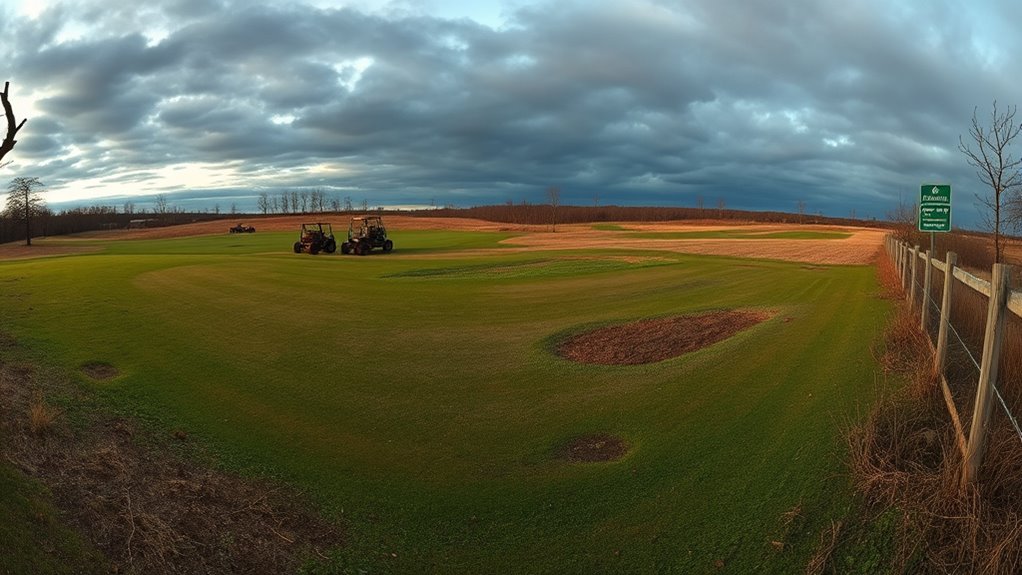
Environmental regulations increasingly shape how golf courses operate, requiring you to adopt sustainable practices that can be costly and complex. These rules aim to protect wildlife habitats and reduce pesticide use, impacting how you manage your course. Key challenges include:
- Stricter pesticide restrictions limit chemical use, forcing you to find alternative pest control methods. Implementing integrated pest management strategies can help comply with these restrictions effectively.
- Protecting wildlife habitats demands careful landscaping and habitat preservation efforts. Incorporating native plantings can support local ecosystems and meet regulatory standards.
- Water restrictions may require investments in efficient irrigation systems, which can also help conserve water and reduce operational costs. Additionally, utilizing smart irrigation technology can optimize water use and improve sustainability.
- Maintaining biodiversity can increase costs and complicate maintenance routines. Using eco-friendly landscaping tools can make it easier to meet environmental standards more effectively.
- Selecting appropriate equipment like eco-friendly landscaping tools can help meet environmental standards more effectively.
Failure to comply risks fines or closure, making sustainability efforts essential. Balancing environmental concerns with operational costs is vital to keeping your course open and environmentally responsible.
Competition From Alternative Recreational Activities

With more recreational options competing for your potential players’ attention, golf courses face increasing challenges in attracting and retaining members. Virtual reality experiences now offer immersive entertainment that appeals to tech-savvy audiences, making traditional golf less appealing. Meanwhile, fitness trends like boutique gyms, yoga, and high-intensity interval training draw people away from outdoor activities, favoring quick, convenient workouts. These alternatives often require less time and investment, which appeals to busy lifestyles. Younger generations may prefer the novelty of virtual reality games or fitness classes over the slower pace of golf. As a result, golf courses must innovate to stay relevant, offering new experiences or integrating technology to compete with the allure of modern recreational activities. Additionally, understanding mental wellbeing can help golf courses develop programs that foster relaxation and mental health, making the sport more attractive to a broader audience. Incorporating creative storytelling into marketing strategies can also help differentiate golf clubs in a competitive landscape and reconnect with potential players. Exploring outdoor wellness initiatives, such as mindfulness sessions or nature retreats, can further enhance the appeal of golf as a holistic activity. Implementing architectural solutions that create inviting and innovative spaces could also attract new members seeking unique experiences. Emphasizing the mental health benefits of spending time outdoors can also be a compelling draw for new members seeking stress relief and relaxation.
Impact of Climate Change and Extreme Weather Events
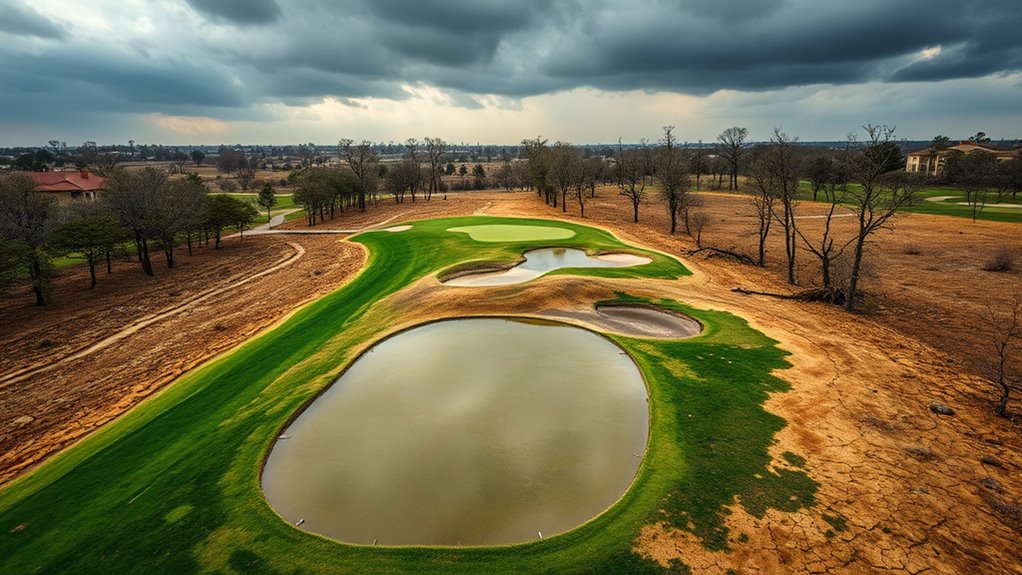
Climate change brings more frequent droughts and water shortages, making it harder to keep courses green. Storms and extreme weather events can cause significant damage, forcing courses to close temporarily or permanently. These environmental challenges threaten the future of many golf courses worldwide. Additionally, the increased need for water-efficient landscaping and maintenance practices can help mitigate some of these impacts. Implementing sustainable practices like drought-resistant grass can further reduce water consumption and resilience to climate-related stresses.
Droughts and Water Scarcity
As droughts become more frequent and severe, water scarcity is increasingly threatening golf courses across many regions. You’ll need to adapt through strategies like:
- Implementing stricter irrigation restrictions to conserve water.
- Improving water management practices for efficiency.
- Relying on drought-resistant grass varieties.
- Investing in water recycling systems to reduce freshwater use.
These measures are essential as limited water supplies force courses to cut back on watering schedules and reduce turf maintenance. Without proactive management, courses risk losing their lush greens and fairways, ultimately leading to closures. Climate change-driven droughts demand that you rethink water use creatively and sustainably to keep your course viable in a changing environment.
Damage From Storms
Increasingly severe storms are causing significant damage to golf courses, compounding the challenges posed by drought and water scarcity. Storm damage from natural disasters like hurricanes, tornadoes, and heavy rainfall can devastate fairways, greens, and infrastructure. Flooding erodes soil, washes away sand traps, and weakens turf roots, making recovery difficult and costly. High winds can uproot trees, damage clubhouses, and disrupt play for months. These extreme weather events, driven by climate change, threaten the very stability of many courses. As storms become more intense and frequent, maintaining the quality and safety of a golf course becomes harder. You may find some courses unable to withstand this relentless assault, leading to closures or reduced operations. Storm damage now plays a vital role in the decline of golf courses nationwide.
Urbanization and Land Development Pressures

As urban areas expand, land values for golf courses increase markedly, making them more attractive for development. Developers often convert these green spaces into housing projects to meet growing demand. This shift puts pressure on golf courses, leading many to shut down as land becomes more profitable for residential use.
Land Value Escalation
The rising land values driven by urbanization and land development pressures are making it increasingly difficult for golf courses to stay afloat. As land becomes more valuable, property owners prioritize short-term gains over maintaining courses. Consider these impacts:
- Land prices soar, making it costly to retain large plots.
- Developers often buy land for luxury branding projects, ignoring golf course viability.
- Scenic views, once a key attraction, are now sold to maximize land value.
- Maintaining a golf course no longer offers the same economic return, pushing courses toward closure.
You may find that these escalating land values, driven by urban growth, threaten the sustainability of golf courses, which are often forced to choose between lucrative development and preserving their scenic views.
Conversion to Housing
Urbanization and land development pressures are transforming golf courses into housing developments at a rapid pace. Land rezoning plays a vital role in this shift, making it easier for developers to convert open spaces into residential areas. As communities seek to meet housing demands, golf courses often become prime targets for redevelopment due to their large, available land parcels. This process is part of broader community redevelopment efforts aimed at revitalizing neighborhoods and optimizing land use. You’ll notice that many golf courses are closing because of the lucrative potential of turning these spaces into housing projects. While this may address housing shortages, it also raises concerns about losing recreational spaces and changing neighborhood dynamics. The trend signals a significant shift in land utilization driven by urban growth.
Changes in Golfing Demographics and Preferences
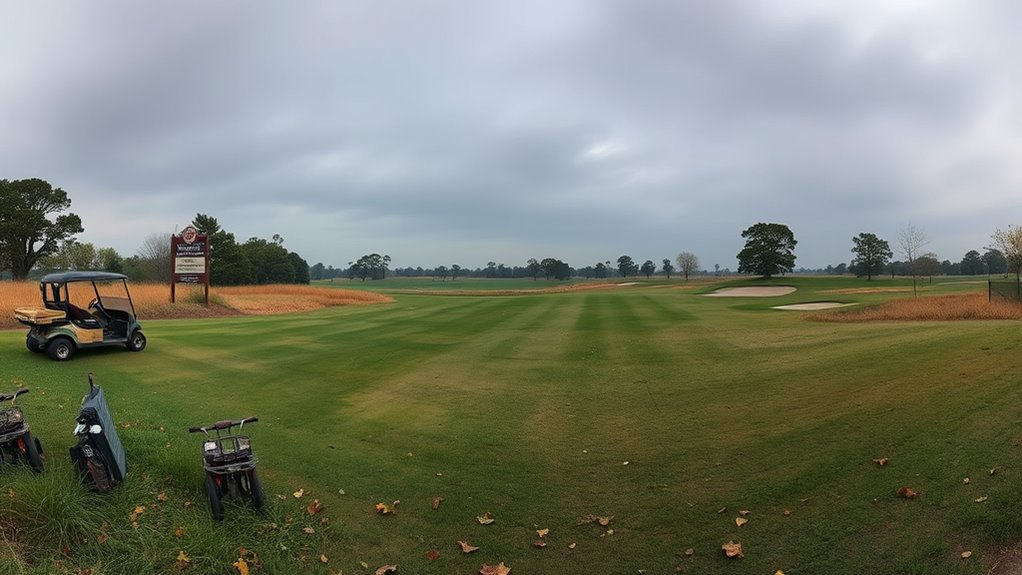
Recent shifts in golfing demographics and preferences reveal a changing landscape for the sport. Younger players, women, and minority groups are increasingly influencing the game’s future. Here are four key trends:
- A decline in senior male golfers dominating courses.
- Growing interest from women and younger players.
- Preference for shorter, more accessible courses over traditional layouts.
- An increase in casual, social play rather than competitive tournaments.
These changing preferences reflect demographic shifts and a desire for more inclusive, flexible experiences. Golf is evolving from its traditional image, but many courses struggle to adapt quickly. As a result, some courses face declining memberships and revenue, contributing to closures. Understanding these shifts is vital for future sustainability.
The Future Outlook for Golf Course Preservation

As golf courses face increasing pressures from shifting demographics and changing preferences, their future depends on adapting to these new realities. Technological advancements, like GPS tracking, online booking, and virtual golf experiences, can attract younger players and improve operational efficiency. Cultural shifts toward sustainability and health-conscious lifestyles also present opportunities for preservation. By integrating eco-friendly practices and promoting wellness-oriented programs, courses can appeal to a broader audience. Embracing innovation and responding to evolving cultural values will be essential for maintaining relevance. Additionally, redefining traditional golf spaces into multi-use community hubs can foster engagement and long-term viability. Ultimately, embracing change and leveraging technology will help golf courses navigate the challenges ahead and secure their place in future recreational landscapes.
Frequently Asked Questions
How Do Local Communities Influence Golf Course Closures?
You influence golf course closures through community activism and local zoning policies. When residents advocate for change, they can pressure officials to rezone or convert courses into parks or housing, making closures more likely. Your involvement in local zoning discussions can also restrict golf course operations or prevent updates, ultimately leading to shutdowns. Active community engagement shapes the decisions that impact whether a golf course remains open or closes.
What Role Do Government Policies Play in Golf Course Sustainability?
Did you know that over 60% of golf courses face closure due to restrictive zoning laws? Government policies play a vital role in their sustainability by implementing zoning restrictions that limit course expansion or maintenance. Subsidy programs can help stabilize financially struggling courses, but if policies aren’t supportive, courses struggle to stay open. You can help by advocating for policies that promote golf course preservation and responsible land use.
Are Technological Advancements Helping Golf Courses Reduce Costs?
Yes, technological advancements help golf courses reduce costs considerably. Digital innovations like automated irrigation systems and data analytics optimize water and resource use, saving money and promoting eco-friendly practices. You can implement these technologies to cut expenses, improve maintenance efficiency, and minimize environmental impact. Embracing such innovations not only enhances sustainability but also attracts eco-conscious players, ensuring your golf course remains competitive and resilient in a changing industry.
How Do Global Economic Trends Affect Golf Industry Viability?
Like a ship caught in a storm, the golf industry feels the impact of global economic trends. Economic downturns strain your budget, making it harder to attract players and maintain courses. Currency fluctuations can increase costs for equipment and maintenance, squeezing profits. These factors threaten your golf course’s viability, forcing tough decisions. Staying adaptable and managing finances carefully can help you weather these economic waves and keep your course afloat.
What Are Successful Strategies for Revitalizing Struggling Golf Courses?
To revitalize your struggling golf course, focus on innovative marketing strategies that attract new players and retain loyal customers. Invest in facility improvements like upgraded greens, modern amenities, and enhanced clubhouse services to boost appeal. Offer special packages, memberships, or events to increase traffic. Engage with the community through social media and local partnerships. These combined efforts can rejuvenate your course’s reputation, increase revenue, and guarantee long-term success.
Conclusion
As you see, the challenges golf courses face aren’t just about finances or weather—they reflect broader shifts in society and environment. Sometimes, it’s a coincidence that urban expansion and changing preferences collide, forcing closures. But with awareness and innovation, there’s hope. If you care about preserving these green spaces, your support and understanding can make a difference, helping golf courses adapt and thrive amid the shifting landscape of modern recreation.