As a high handicapper, you often struggle with inconsistent alignment and stroke issues that lead to missed putts. Putter design can help by offering visual aids, larger and more forgiving heads, and ergonomic grips that make setup easier and more confident. These features reduce guesswork and support better aim, helping you develop more reliable habits on the green. Keep exploring to discover how specific design elements can improve your game even further.

Get travel and outdoor gear delivered free with Prime
- Fast, free delivery on millions of items
- Prime Video, Amazon Music and more included
- Member-only deals all year
Key Takeaways
- High handicappers often struggle with consistent face alignment, which specialized putter designs can correct.
- Visual aids and forgiving head shapes help mitigate errors and improve accuracy for less experienced golfers.
- Comfortable, ergonomic grips enhance stroke control, reducing tension and improving putting consistency.
- Properly designed putters address common alignment and setup issues faced by high handicappers.
- Equipment tailored to their needs builds confidence and promotes better, more reliable putting routines.
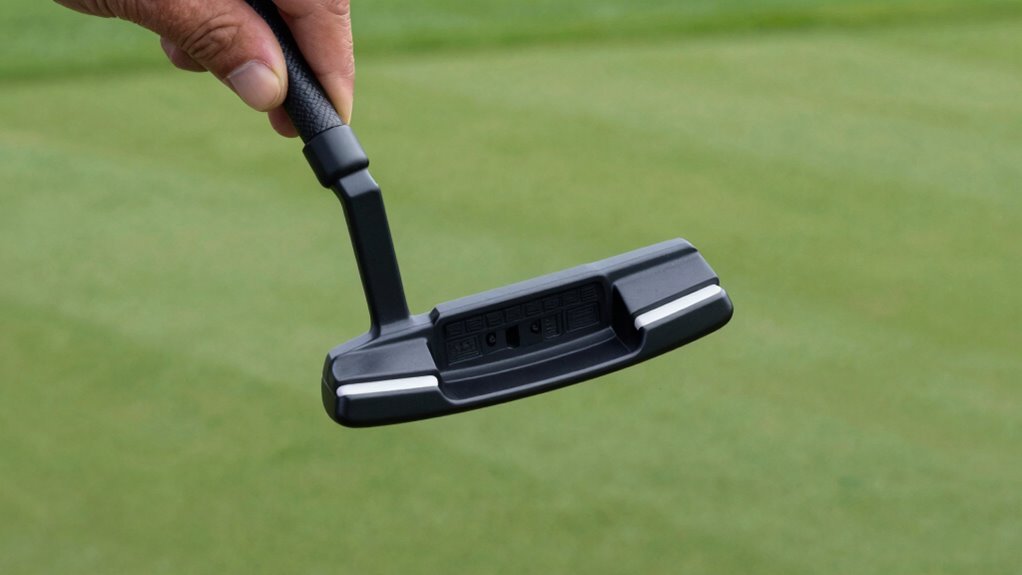
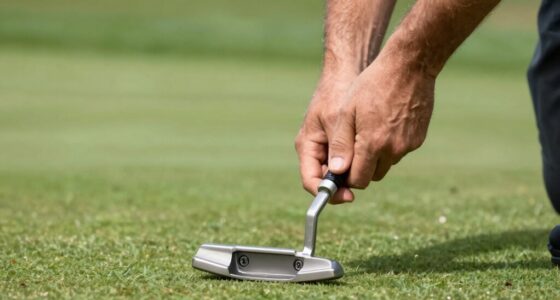
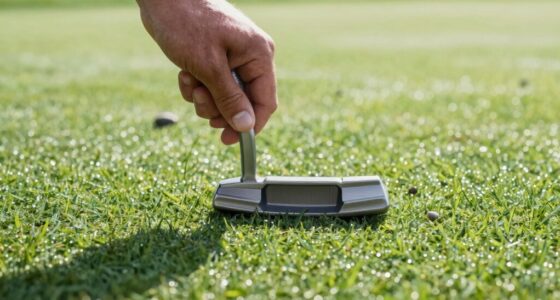
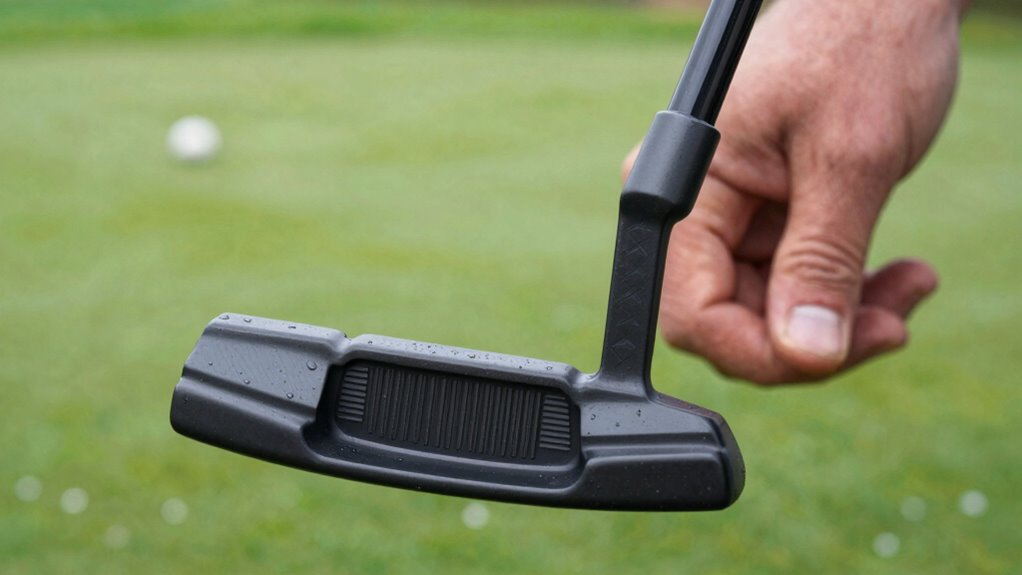
If you’re a high handicapper struggling on the greens, finding the right putter can make a significant difference in your game. A key aspect of that is understanding how putter design influences your ability to read and control your putts. One of the most critical factors is putter face alignment, which directly impacts your accuracy. When the face isn’t properly aligned at address, even the most confident stroke can veer off course. High handicappers often benefit from putters that help with consistent face alignment, such as those with visual aids like alignment lines or slightly larger, more forgiving heads. These features make it easier to set the face square to your intended line, reducing the guesswork and frustration that come with misaligned putts.
Equally important is grip comfort, which influences how well you can control your stroke. If your grip feels awkward or uncomfortable, it’s challenging to maintain a smooth, consistent swing. Fatigue or tension caused by an uncomfortable grip can lead to jerky or inconsistent strokes, making it tough to develop a reliable putting rhythm. High handicappers often discover that a putter with a grip tailored to their hand size or preferred holding position enhances stability and feel. Soft, tacky grips may also help you maintain a secure hold without gripping too tightly, allowing for a more fluid stroke. When your grip feels natural and comfortable, you’re more likely to execute your putts with confidence, leading to better alignment and improved accuracy.
Additionally, understanding the importance of putter face alignment can help you choose equipment that minimizes common issues. Putter design that prioritizes these elements—face alignment aids and ergonomic grips—addresses common issues faced by high handicappers. These features work together to eliminate some of the guesswork and inconsistency that can plague your putting. For example, a putter with an alignment aid can serve as a visual cue, helping you aim more precisely without second-guessing your setup. Meanwhile, a grip that fits comfortably in your hands allows you to focus on your stroke rather than on maintaining grip tension or adjusting your hold mid-swing. Recognizing the impact of visual aids can also encourage you to select putters that promote better setup habits and consistency. Moreover, choosing a putter with forgiving head design can help compensate for minor misalignments and off-center hits, further supporting high handicappers in developing their skills. Incorporating custom fitting options can also optimize the fit and performance of your putter, making the most of its design benefits.
Ultimately, choosing a putter that emphasizes proper face alignment and grip comfort can transform your putting routine. It’s about reducing variables that lead to missed putts and increasing your confidence to line up each shot accurately. As a high handicapper, investing in a thoughtfully designed putter tailored to these needs can make a noticeable difference on the greens, helping you develop more consistent, confident putting habits.
high handicapper putter with alignment line
As an affiliate, we earn on qualifying purchases.
As an affiliate, we earn on qualifying purchases.
Frequently Asked Questions
How Do I Choose the Right Putter for My Stroke?
To choose the right putter for your stroke, focus on Putter alignment and Stroke consistency. Find a putter that helps you aim accurately and feels comfortable during your stroke. Test different styles to see which promotes a smooth, repeatable motion. Pay attention to the grip and weight, ensuring they support your natural tendencies. Ultimately, select a putter that enhances your confidence, making it easier to stay consistent on the greens.
What Are Common Putter Mistakes High Handicappers Make?
You might overlook alignment consistency and stroke tempo, which are common pitfalls for high handicappers. Poor alignment can cause missed putts, while inconsistent tempo throws off your rhythm and control. Focusing on steady alignment and maintaining a smooth, confident stroke helps improve accuracy. Avoid rushing your putts or overthinking your technique. Instead, develop a routine that promotes consistent alignment and a balanced tempo, boosting your confidence on every green.
How Does Putter Weight Influence Putting Accuracy?
Putter weight considerably impacts your putting accuracy by influencing the Putter face stability balance. A heavier putter offers more stability, helping you maintain a consistent stroke and reduce mis-hits, especially on off-center strikes. Conversely, a lighter putter can feel more maneuverable but might lack stability, leading to less control. Choosing a weight that balances the Putter face and provides stability balance helps you improve accuracy and confidence on the greens.
Can Custom Putters Improve My Putting Performance?
Yes, custom putters can improve your putting performance by enhancing putter alignment and stroke consistency. When your putter is tailored to your eye and stroke, you’ll naturally aim more accurately and develop a smoother, more reliable swing. This personalized fit reduces misalignments and inconsistent strokes, helping you sink more putts. Ultimately, a custom putter supports better control and confidence on the greens, elevating your overall game.
What Grip Style Is Best for High Handicappers?
As a high handicapper, the best grip style is one that offers maximum grip comfort and consistency. You should try a grip that feels natural in your hands, allowing for a relaxed hold without tension. Many high handicappers prefer mid-sized or oversized grips because they improve grip comfort and help maintain consistent pressure through your stroke. Experiment with different styles to find one that enhances your control and confidence on the greens.
As an affiliate, we earn on qualifying purchases.
Conclusion
So, next time your putts seem to drift aimlessly, remember—the very design meant to help you might be your best shot at avoiding those embarrassing three-putts. Ironically, a better putter could turn your frustrating rounds into surprisingly smooth ones, making you feel like a seasoned pro—even if your score still whispers “high handicap.” Sometimes, all it takes is a tweak here or a grip there to transform your putting chaos into a beautiful, confident stroke.
As an affiliate, we earn on qualifying purchases.
As an affiliate, we earn on qualifying purchases.
Fall Picks
fall essentials
As an affiliate, we earn on qualifying purchases.