
Choosing polarized lenses for golf isn’t always straightforward because while they reduce glare, improve terrain visibility, and enhance clarity, there are trade-offs. High-quality lenses are more durable and protect your eyes, but they come with a higher price. Cheaper options might scratch easily or lack the durability you need for frequent play. Balancing cost, durability, and performance can be tricky—if you want to make the best choice, there’s more to take into account.

Get travel and outdoor gear delivered free with Prime
- Fast, free delivery on millions of items
- Prime Video, Amazon Music and more included
- Member-only deals all year
Key Takeaways
- Polarized lenses improve glare reduction but can sometimes hinder visibility of LCD screens like GPS devices or rangefinders.
- Higher-quality polarized lenses offer durability and clarity but come at a higher cost, which may be prohibitive for some players.
- Lens coatings enhance performance but can add complexity and expense, requiring proper maintenance to maximize lifespan.
- Not all polarized lenses are equally impact-resistant, so choosing the right material is essential for outdoor sports like golf.
- The balance between cost, durability, and optical performance makes selecting the ideal polarized lens a nuanced decision.
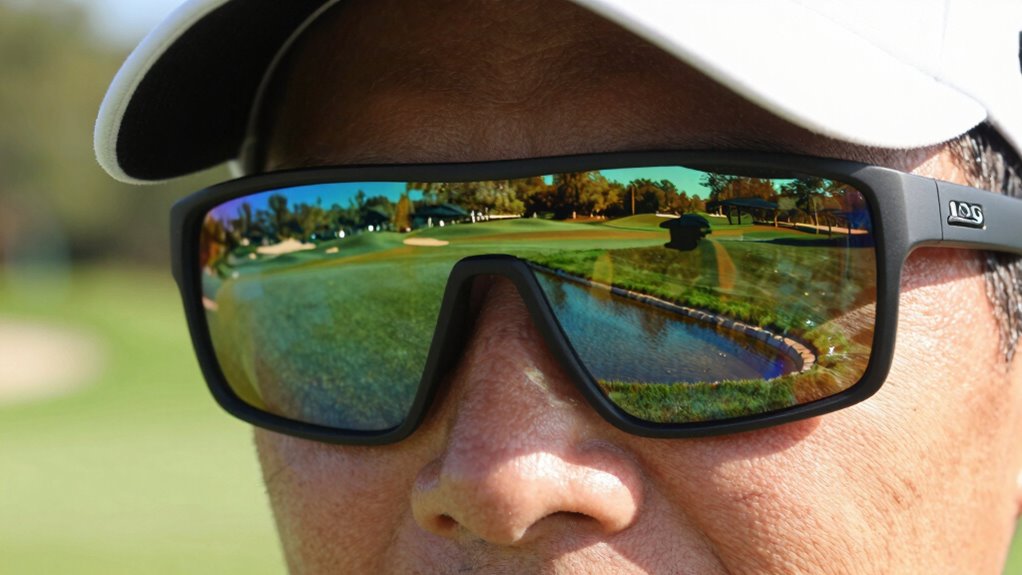
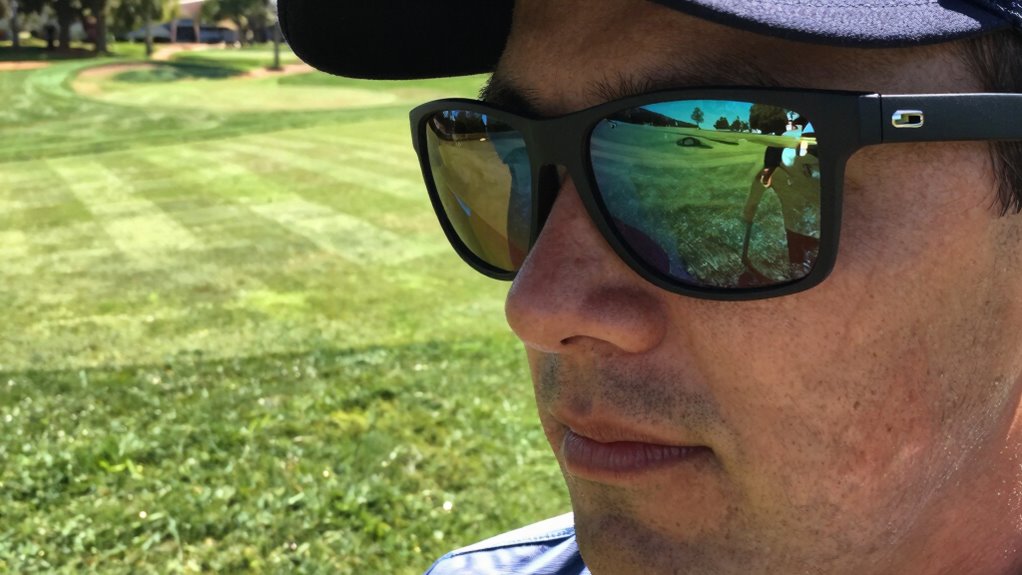
Polarized lenses are often seen as a must-have for golfers because they reduce glare and improve visibility on sunny days. When you’re out on the course, this can make a big difference, helping you pick up details like the contours of the terrain or the subtle movement of the ball. However, selecting the right polarized lenses isn’t always straightforward. One important aspect to take into account is lens durability. Golf involves a lot of movement, and your sunglasses will likely face bumps, scratches, and exposure to the elements. High-quality polarized lenses are usually made from impact-resistant materials like polycarbonate or Trivex, which offer better durability and can withstand the rough and tumble of a day on the course. Cheaper lenses, on the other hand, might be more prone to scratches or cracking, which could compromise your vision and force you to replace your sunglasses sooner. You want lenses that can handle the wear and tear without sacrificing clarity or becoming easily damaged. Additionally, lens durability is crucial in ensuring your sunglasses maintain their protective qualities over time. It’s also worth noting that lens coatings can enhance durability and performance, adding another layer of protection against scratches and environmental factors. Proper lens maintenance can extend the lifespan of your sunglasses and keep your vision sharp, especially during frequent use. To make the most of your investment, understanding how lens material influences both durability and clarity can help you choose the best option for your needs. Furthermore, selecting lenses with UV protection can provide important health benefits by shielding your eyes from harmful ultraviolet rays. Cost considerations also play a significant role in your decision-making process. Polarized sunglasses tend to be more expensive than non-polarized options, especially when you opt for models with high-grade lenses. The price often reflects the quality of materials, lens coating, and overall durability. While it might be tempting to go for a cheaper pair, you could end up paying more in the long run if they need frequent replacements or don’t stand up to daily use. Investing in a slightly pricier pair of polarized sunglasses can save you money over time because they last longer and provide consistent performance. Additionally, premium lenses often include anti-scratch coatings and UV protection, which add value by protecting your eyes and maintaining clear vision longer. Ultimately, the decision boils down to balancing your budget with the level of durability you need. If you play golf often and want sunglasses that can handle regular use, investing in a durable pair with high-quality lenses is smart. On the flip side, if you only golf occasionally or are on a tight budget, there are still decent options available, but you should be prepared for potential trade-offs in longevity. Remember that while polarization enhances your experience by reducing glare, it’s equally important to ensure your lenses are built to last and fit within your financial plan. Choosing the right pair means considering both the long-term durability and the upfront cost, so you can enjoy clear, comfortable vision on every sunny round.
Products Worth Considering

Bose QuietComfort Ultra Headphones (2nd Gen), Wireless Noise-Cancelling Over-Ear Headphones, Driftwood Sand

Apple AirPods Pro (1st Generation) with MagSafe Charging Case

Bose QuietComfort Headphones (2nd Gen), Wireless Noise-Cancelling Over-Ear Headphones, Black
As an affiliate, we earn on qualifying purchases.
Frequently Asked Questions
Can Polarized Lenses Affect Depth Perception on the Golf Course?
Yes, polarized lenses can affect your depth perception on the golf course. They reduce glare and may cause color distortion, making it harder to judge distances accurately. While glare reduction helps improve visibility, the altered color perception might impact your ability to distinguish subtle terrain differences. You should test your polarized lenses beforehand to see if they suit your playing style, especially if precise depth perception is essential for your game.
Are Polarized Lenses Suitable for All Weather Conditions?
Polarized lenses aren’t suitable for all weather conditions because they can reduce lens clarity in foggy, snowy, or rainy environments. They eliminate glare effectively, but sometimes cause color distortion, making it harder to see details. On bright, sunny days, they work great, but in low-light or overcast conditions, their effectiveness drops. You need to choose your lenses based on specific weather and lighting to guarantee the best performance on the course.
How Do Polarized Lenses Impact the Visibility of Certain Golf Course Features?
Imagine a gentle filter over your view, subtly softening the landscape. Polarized lenses can enhance color, making greens richer and fairways more vivid, while reducing glare that might hide subtle course features. This clarity helps you see hazards and contours more distinctly, giving you an edge. However, sometimes they can also diminish visibility of reflective surfaces like water hazards, so you need to weigh their benefits against potential visual limitations on certain features.
Do Polarized Lenses Interfere With GPS or Rangefinder Device Screens?
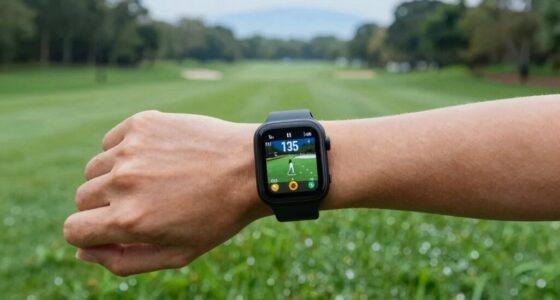
Polarized lenses can sometimes cause GPS interference or affect rangefinder compatibility, especially with electronic screens. You might find that the screens become harder to read or display inaccurate readings when wearing polarized glasses. To avoid this, test your devices with your preferred lenses beforehand. If interference occurs, consider switching to non-polarized lenses for better GPS and rangefinder performance, ensuring your game stays accurate and smooth.
Are There Any Health Risks Associated With Wearing Polarized Golf Lenses?
Wearing polarized golf lenses is like shielding your eyes from harsh sunlight, but some risks linger. You might experience eye strain if the lenses don’t suit your eyes, making everything seem blurry or fatigued. While there’s no direct link to increased cataract risk, prolonged exposure to intense sunlight without protection can harm your eyes over time. Always choose high-quality lenses and wear sunglasses responsibly to keep your vision safe on the course.
Conclusion
While polarized lenses can reduce glare and improve visibility, they aren’t always the perfect choice for every golfer. Sometimes, the clarity they provide can obscure digital screens or reflections that help you read the course. So, as you weigh your options, remember: the right lens isn’t just about glare reduction but about balancing clarity and contrast. Ultimately, choosing the right pair means understanding both their strengths and limitations—because in golf, every detail counts.