TL;DR

Get travel and outdoor gear delivered free with Prime
- Fast, free delivery on millions of items
- Prime Video, Amazon Music and more included
- Member-only deals all year
King Charles III’s primary private residence, Highgrove House, remains a deeply personal estate featuring historic architecture and extensive gardens. The estate reflects his environmental and horticultural interests and continues to serve as a family retreat.
King Charles III’s private residence, Highgrove House in Gloucestershire, remains his most personal royal estate, showcasing his commitment to environmental sustainability and horticultural artistry. The estate continues to serve as a family retreat and a symbol of his passions.
Highgrove House, acquired by Charles in 1980 through the Duchy of Cornwall, is a Georgian Neoclassical estate built in the late 1700s. It has been extensively renovated and landscaped under Charles’s direction, emphasizing sustainable practices and organic farming. The estate’s gardens, developed over decades, attract around 40,000 visitors annually and include notable areas such as the Cottage Garden, Sundial Garden, and the woodland Stumpery, which features a treehouse for his children.
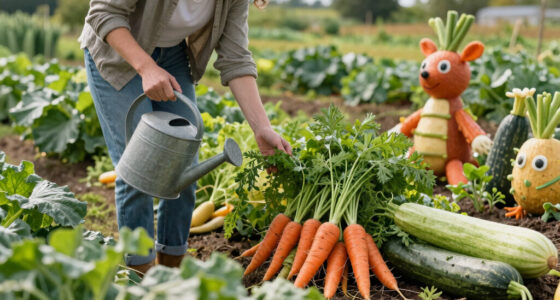
Charles’s involvement in the estate extends beyond aesthetics; it functions as a testing ground for his environmental ideas, incorporating solar panels, natural wastewater filtration, and energy-efficient infrastructure. The estate’s organic farm, Home Farm, established in 1985, exemplifies his commitment to sustainable agriculture.
Why Highgrove Reflects King Charles’s Personal Values
Highgrove’s ongoing development as a sustainable estate underscores King Charles’s lifelong dedication to environmental causes. It exemplifies how personal residences can serve as platforms for advocacy, influencing public perceptions of conservation and organic farming. The estate’s gardens and architecture also reflect his deep appreciation for traditional craftsmanship and landscape design, making it a unique symbol of his reign and personal identity.
As an affiliate, we earn on qualifying purchases.
Highgrove’s Historical and Personal Significance
Purchased in 1980, Highgrove has long served as a family home for Charles and his sons, William and Harry. Its Georgian architecture and extensive gardens have been shaped by Charles’s passion for horticulture and sustainability. Over the years, the estate has become a showcase for organic farming and eco-friendly innovations, aligning with Charles’s advocacy for environmental issues. The estate remains a private retreat, even as Charles’s role as monarch has expanded.
“Creating the gardens at Highgrove has been a form of worship for me, reflecting my deep connection to the land and nature.”
— King Charles III
As an affiliate, we earn on qualifying purchases.
Unconfirmed Aspects of Estate Development
It is not yet clear if there are plans for further renovations or public access changes at Highgrove, or how the estate might be adapted in the future as Charles’s role as monarch continues to evolve. Details about potential expansions or new sustainability projects remain undisclosed.
As an affiliate, we earn on qualifying purchases.
Future Plans for Highgrove Estate
The estate is expected to continue serving as a private family retreat and a demonstration site for sustainable practices. Any future developments or public engagement initiatives will likely be announced through official royal channels, with attention to preserving the estate’s environmental ethos.
natural wastewater filtration system
As an affiliate, we earn on qualifying purchases.
As an affiliate, we earn on qualifying purchases.
Key Questions
Is Highgrove House open to the public?
Yes, parts of the estate, particularly its gardens, are open to visitors during specific times of the year, attracting around 40,000 visitors annually.
What are the main features of Highgrove’s gardens?
The gardens include the Cottage Garden, Sundial Garden, and the woodland Stumpery, all reflecting Charles’s horticultural interests and sustainable principles.
Will Highgrove undergo further renovations?
There are no confirmed plans for major renovations, but the estate continues to evolve with Charles’s environmental initiatives. Future updates have not been publicly disclosed.
How does Highgrove reflect King Charles’s personal beliefs?
Highgrove embodies his dedication to environmental sustainability, organic farming, and traditional craftsmanship, making it a personal reflection of his values.
Who manages the estate’s gardens and sustainability projects?
The estate works with renowned horticulturalists and landscape designers, with Charles himself closely involved in its development.
Source: Elle Decor
Halloween Picks
halloween
As an affiliate, we earn on qualifying purchases.