

Getting ready for your first golf round? Focus on understanding the basic rules like scoring, common terms, and etiquette such as respecting pace and course decorum. Equip yourself with essential gear like clubs, comfortable shoes, and sunscreen. Learn course navigation tips to avoid slow play and keep safety in mind. With a solid foundation and some practice, you’ll boost your confidence and enjoy the game more. Keep exploring for more tips to play your best.
Key Takeaways
- Learn basic golf rules, scoring terms, and etiquette to ensure respectful and enjoyable play.
- Understand course navigation, safety, and proper pace to avoid delays and hazards.
- Use appropriate gear like clubs, shoes, and accessories suited to your skill level.
- Practice controlled swings and mental focus to improve consistency and confidence.
- Respect fellow players, maintain course condition, and adhere to local regulations for a smooth round.
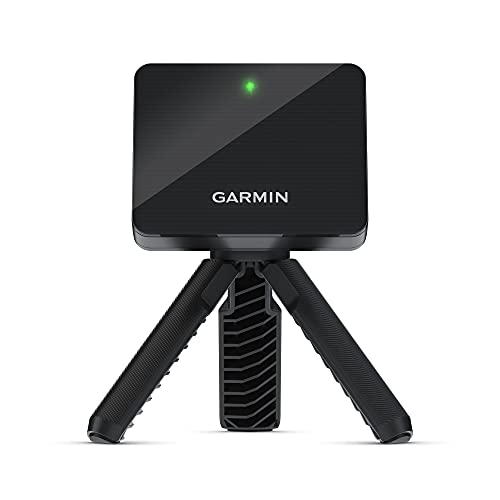
Garmin Approach R10, Portable Golf Launch Monitor, Take Your Game Home, Indoors or to The Driving Range, Up to 10 Hours Battery Life - 010-02356-00
Work to improve your game at home, indoors or on the driving range with a portable launch monitor...
As an affiliate, we earn on qualifying purchases.
Understanding the Basic Rules of Golf

Understanding the basic rules of golf is essential for playing the game correctly and enjoying it fully. Knowing how scoring methods work helps you track your progress and compete fairly. In golf, the goal is to complete each hole with as few strokes as possible, and your total score determines your standing. Golf handicaps are also important—they provide a way to level the playing field between players of different skill levels. Your handicap reflects your potential ability, allowing you to compete more evenly with others. Familiarizing yourself with these rules and concepts ensures you won’t be confused during play and can focus on enjoying the game. Additionally, understanding how golf course etiquette enhances the overall experience for everyone on the course. Respecting course rules and maintaining proper pace of play contribute significantly to a positive environment for all players. Being aware of potential financial scams related to golf equipment or memberships can also protect your investment and ensure you’re making informed decisions. Moreover, understanding the lifecycle and performance metrics of golf equipment can help you make smarter purchases and maintain your gear effectively. A good grasp of water hazards and course features can also improve your strategy and safety during play.

Rapsodo MLM2PRO Golf Launch Monitor, Simulators for Home & Training, Mobile Launch Monitor for Golf Swing Analysis, Measures Spin Rate & Axis, Tracker & Swing Analyzer, Indoor Outdoor (3 Pro V1 Balls)
Advanced Golf Launch Monitor – The Rapsodo MLM2PRO golf launch monitor delivers pro-level accuracy, measuring 13 core golf...
As an affiliate, we earn on qualifying purchases.
Golf Etiquette Every Beginner Should Know

When you’re on the course, remember to stay silent while others are taking their shots; noise can be be distracting and disrespectful. Respect the course rules regarding pace of play and local regulations to keep everything running smoothly. By following these simple etiquette tips, you’ll show consideration for your fellow golfers and enjoy the game more. Additionally, understanding investment options like Gold IRAs can help you secure your financial future outside of the golf course. Being aware of modern technology can also enhance your experience, whether through GPS rangefinders or other smart equipment that improve your game. Staying informed about golf course etiquette can further help you become a courteous and enjoyable player. Moreover, familiarizing yourself with electric bike features, such as speed and horsepower, can add to your overall knowledge, especially if you’re interested in outdoor activities that complement your time on the course.
Maintain Silent During Shots
Maintaining silence during shots is essential to uphold golf etiquette and guarantee a respectful environment on the course. Respecting quiet zones helps players concentrate and perform at their best. Be attentive to communication cues, such as a nod or a raised hand, indicating when it’s okay to speak. Avoid talking or making noise when someone is about to take a shot, as distractions can affect their performance. Remember, maintaining a quiet atmosphere shows consideration for fellow golfers and keeps the game enjoyable. To reinforce this, keep these points in mind:
- Stay silent when players are preparing for their shot
- Watch for communication cues before speaking
- Respect designated quiet zones on the course
- Minimize unnecessary noise and movement
Additionally, understanding the importance of respecting quiet zones can help maintain the integrity of the game and ensure everyone has an equal chance to succeed. Being aware of golf etiquette also includes understanding how to properly handle equipment and pace of play, which contributes to a smooth and respectful round for all players. Practicing course manners promotes a positive experience for everyone involved. Properly managing noise levels is a key aspect of creating an enjoyable environment for all participants. For example, using appropriate communication methods, such as signaling with a raised hand, can help reduce unnecessary noise and distractions.
Respect Golf Course Rules
Respecting golf course rules is essential for ensuring a safe, enjoyable, and fair game for everyone. You should always adhere to proper dress codes, which typically include collared shirts and appropriate golf shoes. Check the course signage for specific rules regarding dress codes and other guidelines. Respecting these rules helps maintain the course’s condition and ensures a professional atmosphere. Always follow posted signage about cart rules, designated areas, and pace of play requirements. Avoid damaging the course by staying on paths and repairing divots. Respect the staff’s instructions, and be courteous to fellow players. By following course rules and signage, you contribute to a positive experience for yourself and others, making your first round more enjoyable and trouble-free. Additionally, understanding the history and cultural significance of the land can enhance your appreciation of the environment you’re playing in. Being aware of course etiquette can also help you navigate social interactions smoothly and show respect to other players and staff. Recognizing the importance of course maintenance can motivate players to help preserve the quality of the course for future generations. Learning about course design principles can also deepen your appreciation of the layout and challenges of each course. Moreover, familiarizing yourself with reliable and safe equipment can improve your comfort and safety during play.

TaylorMade Golf SIM 2 MAX DRIVER 10.5 DEGREE MENS RIGHT HAND GRAPHITE REGULAR
New Forged Ring Construction. Forged from a lightweight and high strength aluminum that is milled to an exacting...
As an affiliate, we earn on qualifying purchases.
Essential Gear and Equipment for New Golfers

Getting started in golf requires the right gear to set you up for success on the course. Your equipment influences your golf swing and overall experience. At a minimum, you’ll need a set of clubs suited to your skill level, with proper club fitting to optimize your swing and accuracy. Don’t forget comfortable golf shoes for stability and grip, a durable golf bag to organize your gear, and a quality golf glove to improve your grip. Additionally, investing in a few golf balls and tees is essential. These basics will help you focus on learning the game without distractions. Remember, choosing the right gear isn’t just about brands—it’s about fit and comfort, which directly impacts your performance and enjoyment. Considering the right wave and wind conditions can also improve your game and help you better adapt to the course. Being aware of body jewelry and piercings can also be beneficial, especially if you’re sensitive to certain materials or need to avoid irritation during outdoor activities. Furthermore, understanding Feature Buddies can help you stay informed about new innovations and accessories that enhance your golfing experience. Additionally, paying attention to environmental considerations like weather and course conditions can give you an edge and enhance your overall enjoyment, as understanding weather patterns can help you plan your game better.

Speed System Golf Titanium Driver Golf Club, Loft Lightweight Graphite Shaft, Oversized Sweet Spot, Aerodynamic, USGA Conforming Mens Driver + Deluxe Headcover - Blue 11.5° Loft, Right
Ultra-Lightweight Graphite Shaft: Weighing under 60g, the golf drivers’ 100% graphite shaft is made for faster swing speeds...
As an affiliate, we earn on qualifying purchases.
Familiarizing Yourself With Common Golf Terminology

Getting comfortable with basic golf terms and common course phrases helps you play with confidence. Knowing what it means to “bogey” or “fairway” makes communication on the course easier. Let’s explore these key words so you can navigate your game more smoothly.
Basic Golf Terms
Are you ready to speak the language of golf? Understanding basic golf terms helps you communicate confidently on the course. Golf slang often includes words like “birdie” for one under par, “bogey” for one over, and “par” for even. Scoring terms like “handicap” measure your skill level, influencing your play and expectations. Familiarize yourself with these key terms:
- Birdie: One stroke under par on a hole
- Bogey: One stroke over par
- Eagle: Two strokes under par
- Par: The expected number of strokes for a hole
Knowing these terms makes the game more enjoyable and helps you understand your progress and how you compare to others. Mastering golf slang and scoring terms will boost your confidence and ease your first rounds.
Common Course Phrases
Familiarizing yourself with common course phrases can make traversing the golf course much smoother. Knowing golf course jargon like “fore,” which warns others of an incoming ball, or “tee box,” where you start each hole, helps you communicate clearly and stay safe. Phrases like “play through” indicate when faster groups want to pass, while “mulligan” refers to a do-over shot in friendly play. Understanding these common course phrases will boost your confidence and help you follow the flow of play. Many of these terms are used regularly on the course, so recognizing them will make conversations with fellow golfers more natural. Mastering basic golf language ensures you stay engaged and enjoy your round without confusion. Additionally, familiarizing yourself with golf terminology related to equipment and course layout can further enhance your understanding and enjoyment of the game.
Tips for Navigating the Golf Course

Wondering how to smoothly navigate the golf course? Focus on course navigation and maintaining a steady pace of play. Being aware of your surroundings helps prevent delays and keeps the game moving. To stay on track, consider these tips:
- Keep an eye on the group ahead to avoid slow play.
- Use cart paths and designated routes to save time.
- Prepare for your shot while others play, reducing downtime.
- Communicate with your group to stay organized and aware of your position.
Strategies to Improve Your First Game

Getting your first game under your belt can be exciting and a little overwhelming, but focusing on simple strategies can help you improve quickly. Start by refining your golf swing techniques; even small adjustments can lead to better contact and more consistent shots. Practice smooth, controlled swings rather than trying for power right away. Equally important are mental game strategies—stay relaxed, keep a positive attitude, and focus on each shot rather than the overall score. Visualize your shots and breathe deeply to maintain composure. Don’t let mistakes rattle you; instead, learn from them and move on. Remember, improvement comes with patience and practice, so keep a steady mindset and enjoy the process of learning the game.
Staying Safe and Having Fun on the Course

To enjoy your time on the course, prioritize safety by staying aware of your surroundings and following course rules. Golf safety is essential to prevent injuries and ensure everyone has a good time. Remember to always check your surroundings before swinging and be mindful of other players. Maintaining pace of play keeps the game flowing smoothly and keeps frustration at bay. Wear appropriate gear, such as hats and sunscreen, to protect yourself from the sun. To maximize course enjoyment, respect fellow players, stay hydrated, and follow etiquette.
- Be alert to avoid stray balls and errant shots
- Keep pace to avoid holding up others
- Use proper etiquette to foster a friendly environment
- Stay hydrated to prevent fatigue and enjoy your game more
Frequently Asked Questions
What Is the Typical Length of a Standard Golf Round?
Imagine a journey through time on the golf course, where history of golf meets modern etiquette. A typical round lasts about four to five hours, covering 18 holes. As you walk this path, remember golf course etiquette—respecting others and pace of play keeps the tradition alive. This length helps you enjoy the game’s rich history while practicing good manners, making every round a memorable, respectful adventure.
How Do I Choose the Right Golf Club for Each Shot?
To choose the right golf club for each shot, consider your shot strategy and the distance to your target. Look at the club’s loft and how it impacts trajectory and control. For longer shots, opt for a driver or fairway wood; for accuracy, use irons or wedges. Adjust your club selection based on terrain, wind, and lie, helping you make smarter shots and improve your overall game.
Are There Any Dress Code Requirements on Golf Courses?
Yes, most golf courses have dress code requirements that you need to follow. Dress appropriately, wearing proper golf attire like collared shirts, golf shorts or pants, and golf shoes. Avoid casual clothing such as tank tops, t-shirts, or denim. Adhering to the dress code guarantees you respect the course’s standards, helps you feel part of the game, and keeps the experience enjoyable for everyone. Always check the specific course’s dress code before playing.
How Do I Handle Bad Shots or Mistakes During Play?
When you hit a bad shot, stay calm and focus on your mental resilience. Take a deep breath and don’t dwell on the mistake. Use shot recovery techniques like visualizing a better shot and resetting your stance. Remember, mistakes happen, and staying positive helps improve your game. Keep a steady mindset, analyze what went wrong, and move on confidently to the next shot.
What Are Common Golf Course Hazards I Should Be Aware Of?
Imagine steering through a maze with water hazards and sand traps as hidden pitfalls. Water hazards, like lakes or ponds, can swallow your ball if you’re not careful, so aim away from them. Sand traps, or bunkers, are challenging sand pits that test your skill. Stay aware of their locations, and practice your bunker shots. Recognizing these hazards helps you strategize and avoid costly mistakes on the course.
Conclusion
So, now you’re all set to conquer the golf course—just remember, despite knowing the rules, etiquette, and gear, the real challenge is keeping your cool when that ball refuses to cooperate. Ironically, the more you learn, the more you realize how much there is to master. But don’t worry—every great golfer started just like you, swinging for fun and hoping for a hole-in-one. Enjoy the game, mistakes and all!