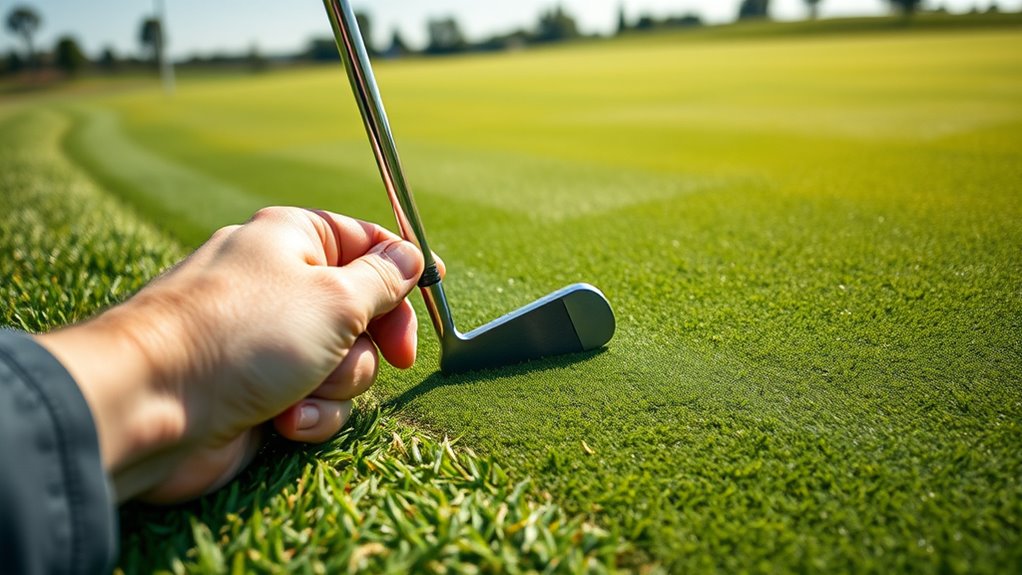

Deciding whether to chip or putt from the edge of the green depends on your lie, slope, and confidence. If the grass is firm and smooth, a putt can give you control, especially on a gentle slope. For softer grass or longer distances, a chip with a focused stroke may be safer. Your skill and confidence play big roles—trust your judgment, and if you keep these factors in mind, you’ll improve your chances of sinking the next shot.
Key Takeaways
- Assess the green’s slope and speed to determine if a gentle putt can reach the hole comfortably.
- Consider the lie and grass condition; softer or longer grass may favor chipping over putting.
- Evaluate the distance to the hole; shorter, straight shots often favor putting, while longer or tricky lies may require chipping.
- Trust your confidence and skill level—use the shot you feel most comfortable executing successfully.
- Practice both chipping and putting from the edge to develop a consistent routine for different green scenarios.

Intech EZ Roll Right Handed Chipper Golf Club | Short Distance Approach Chipping Club for Men | Back-Weighted Design with Alignment Lines | 35” Length 35° Loft, Black/Satin
Back-Weighted Design For Consistent Chip Shots : The back-weighted golf chipper promotes clean contact and a smooth roll,…
As an affiliate, we earn on qualifying purchases.
As an affiliate, we earn on qualifying purchases.
Assessing the Lie and Grass Conditions

To accurately assess the Lie and Grass conditions, you need to understand their fundamental differences and how they influence the behavior of the fringe. Your first consideration is the ball lie—whether it sits up or sinks into the grass. A ball on a firm lie will roll more predictably, while a soft or muddy lie reduces control. Next, examine the grass texture; tight, closely mowed grass provides a smoother surface, making putting more reliable. Conversely, longer or uneven grass causes the ball to bounce or veer unexpectedly. By evaluating the ball lie and grass texture, you can determine whether to execute a chip or a putt. Recognizing these subtle differences helps you adapt your shot to the specific conditions, giving you a better chance for success. Additionally, understanding grass types and their impact on ball behavior can further refine your decision-making on the course. Being aware of grass type variations can help anticipate how the ball reacts, especially in different weather and maintenance conditions. Moreover, considering how grass density affects ball roll can aid in making more precise shots. A comprehensive knowledge of grass health can also assist in predicting surface consistency and ball response. Incorporating knowledge of reconditioning techniques can help maintain optimal grass conditions, ultimately improving your play.

Putt-A-Bout Grassroots Par Three Putting Green (9-feet x 3-feet)
Manufactured from PET resin
As an affiliate, we earn on qualifying purchases.
As an affiliate, we earn on qualifying purchases.
Analyzing the Slope and Green Speed

Understanding the slope and green speed is essential for precise putting and chipping. When you assess the slope, look at how the terrain angles toward the hole, which influences your line and power. Green speed determines how far the ball rolls after contact; faster greens require softer touches, while slower ones need more force. Your club selection plays a key role—choosing the right club helps match your shot to the slope and speed. Maintaining mental focus is equally important; stay confident in your read and avoid second-guessing. By carefully analyzing these factors, you can better judge the necessary adjustments for your shot. This awareness allows you to make smarter decisions, reducing the risk of missed putts or chips near the edge of the green.
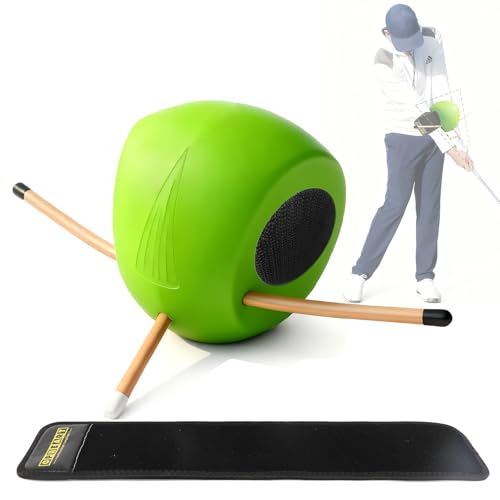
The Connector Golf Training Aid in Improving Hand Positioning, Smart Ball Golf Training Aid for Posture Correction Practice. Golf Swing Trainers are Suitable for Golfers at All Levels, (with Velcro)
【Exceptional Golf Swing Trainers Aid】OPHEART, a team of avid golf fanatics, we know a top-tier trainer doesn’t just…
As an affiliate, we earn on qualifying purchases.
As an affiliate, we earn on qualifying purchases.
Choosing the Right Technique for Distance

Selecting the appropriate technique for varying distances is essential to executing accurate shots on the course. Your choice of club plays a vital role; for longer distances, opt for a club with more loft or strength to control power. For shorter shots, a less lofted club allows better precision. Grip adjustment is equally important—firming up your grip can help with control on longer shots, while a lighter grip improves touch for shorter, delicate chips. Pay attention to your stance and swing tempo, adjusting them based on the distance you need to cover. Practicing different club selections and grip modifications will help you develop consistency and confidence, ensuring each shot is tailored to the specific distance you face. Additionally, understanding your personality traits can help build the mental resilience needed for precise shot execution.
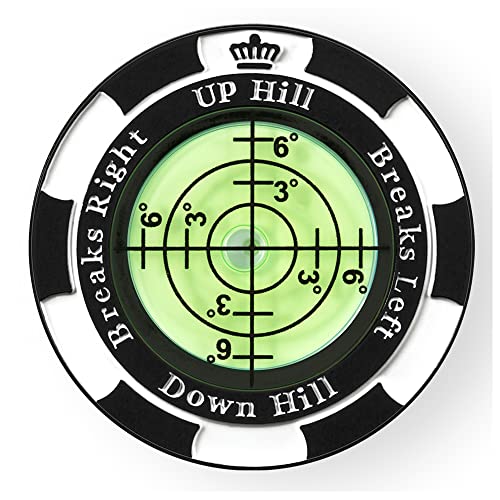
SlopeMaster ProGreen Reader – Golf Ball Marker with High Precision Green Reading Aid Golf Accessories for Men Women(Black)
Accurate Golf Green Reading: The SlopeMaster ProGreen Reader is the ultimate tool for accurately reading the slope of…
As an affiliate, we earn on qualifying purchases.
As an affiliate, we earn on qualifying purchases.
Factors Influencing Your Decision: Confidence and Skill Level

Your confidence and skill level considerably influence how you choose your shots and clubs. If you’re confident in your putting, you might favor a gentle stroke, focusing on precision. Conversely, if you lack confidence or your skills aren’t polished, opting for a chip with a more controlled club could be safer. Your mental focus plays a crucial role; staying calm helps you assess the situation clearly and make better club selections. When your confidence is high, you’re more likely to trust your judgment and go for the putt. If doubts creep in, switching to a chip might reduce pressure and increase your chances of success. Ultimately, understanding your abilities and maintaining focus guides your decision, making your choice between chipping and putting more instinctive.
Practical Tips to Master Chip and Putt From the Fringe

Mastering chip and putt shots from the fringe requires a combination of proper technique and practice. Start by carefully evaluating the distance and slope to inform your club selection—using a wedge or putter depending on how far and how much roll you need. Focus your mental energy on maintaining calm and confidence; clear your mind of doubt and trust your choice. Keep your hands steady and your stroke controlled, whether chipping or putting. Visualize the shot’s path and commit fully to your decision. Practice different scenarios regularly to build consistency. Remember, your mental focus influences your shot execution just as much as technique. Developing a consistent pre-shot routine can help you stay focused and reduce nerves during crucial shots. With deliberate practice and attention to detail, you’ll improve your ability to navigate tricky fringe shots confidently.
Frequently Asked Questions
How Do You Handle Uneven or Patchy Grass Near the Fringe?
To handle uneven terrain and grass patchiness near the fringe, you should assess the surface carefully. Use a clean, effective putting stroke on smoother patches, but if the grass is patchy or uneven, opt for chipping instead. Focus on maintaining control and adjusting your stance to compensate for the irregularities. Keep your hands steady and choose the shot that gives you the best chance to stay close to the hole despite the uneven terrain.
When Is It Better to Chip Rather Than Putt From the Fringe?
Think of the green as a stage, and your shot as the spotlight. When the green is slow or uneven, it’s better to chip, giving you control over distance and roll. Use a wedge or a club with more loft for accuracy. Putt only if the surface is smooth and the speed favors a gentle stroke. Your choice hinges on green speed and club selection; trust your instincts.
How Do Wind Conditions Affect Your Decision to Chip or Putt?
Wind impact plays a vital role when deciding whether to chip or putt. If the wind is strong and gusty, it can affect your club selection, making a delicate putt risky. In such conditions, you might opt to chip, controlling the shot better against the wind. Conversely, on calm days, a well-placed putt is usually your best choice. Always assess wind strength and direction before choosing your club.
What Are Common Mistakes Golfers Make on Fringe Shots?
You often make mistakes on fringe shots by neglecting proper putting alignment, causing your line to veer off. Choosing the wrong club, like a putter instead of a wedge, can lead to poor control and distance issues. Focus on aligning your body and clubface accurately, and select a club suited for the shot’s distance and lie. These adjustments help you improve precision and avoid common frustrations on the fringe.
How Does the Type of Grass Influence Your Shot Choice?
The type of grass considerably influences your shot selection. For example, if you face Bermuda grass, you might opt for a chip shot because it tends to hold the ball better. On the other hand, if the grass is bentgrass or Poa annua, a putt could be more reliable due to its smooth surface. Always assess the grass type to choose the most effective shot and improve your chances of sinking the ball.
Conclusion
Remember, like the masters on the green, your choice to chip or putt hinges on reading the lie, slope, and your confidence. Every shot is a story—sometimes a gentle putt, other times a bold chip. Trust your instincts, sharpen your skills, and embrace each decision as part of your game’s journey. In the end, it’s about playing your best shot, just as legends did on their path to greatness.