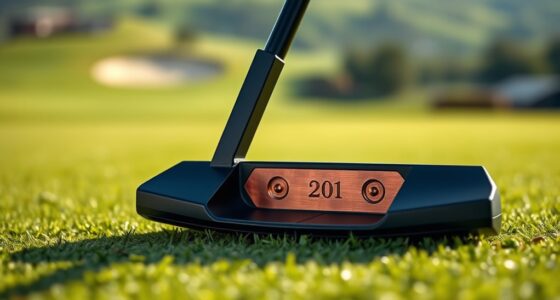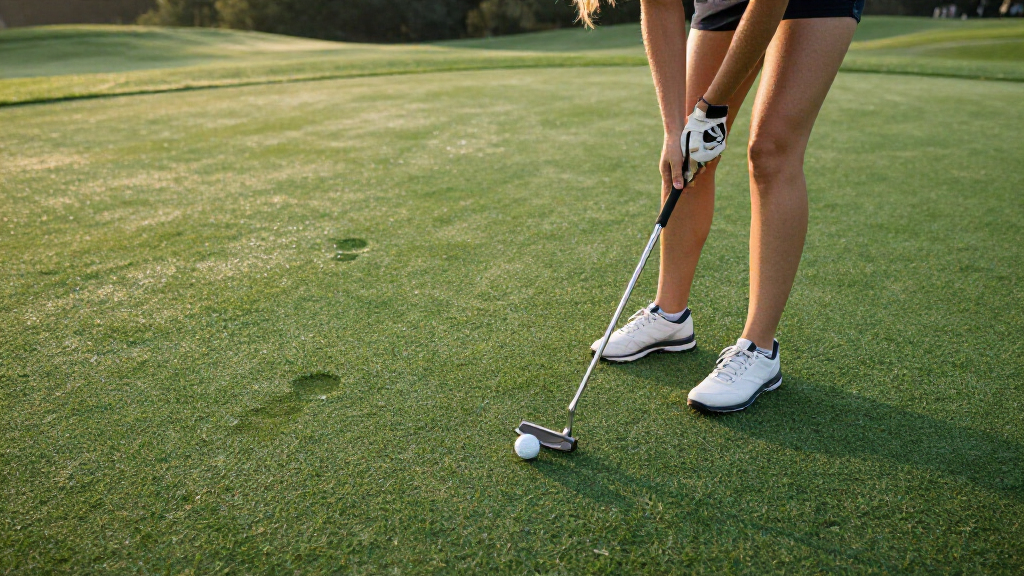

The Cleveland Golf HB Soft 2 Model 11 is my best overall pick among these golf putters for golfers who want a forgiving mallet with clear alignment help. The Odyssey DFX V-Line Fang stands out for its oversized grip and distinctive shape, while the TaylorMade Spider X is the premium choice for shoppers drawn to a larger, high-stability design. The lineup ranges from blade putters to mallets, so the main tradeoff is between a compact look and added visual guidance and forgiveness. Fit also depends on details such as shaft position, handedness, length, and grip feel. Read on for the full breakdown and help matching a putter to your stroke.

Get travel and outdoor gear delivered free with Prime
- Fast, free delivery on millions of items
- Prime Video, Amazon Music and more included
- Member-only deals all year
Complete the kit


Key Takeaways
- Model 11 is the strongest all-around fit: its mallet format offers a useful balance of alignment support and everyday usability without requiring a specialized setup.
- Center-shaft placement changes the feel at address: Cleveland’s center-shafted HB Soft 2 #11 is a distinct option for golfers who prefer the shaft to meet the head near its center.
- Premium and value choices solve different problems: TaylorMade’s Spider models appeal to golfers prioritizing a substantial, stability-focused design, while simpler Wilson and PGM options keep the decision focused on basic fit and shape.
- Blade and mallet are not interchangeable looks: the Cobra Classic and PGM Blade offer a more compact profile, while the Orlimar Tangent T1 and several PGM and Cleveland options provide larger alignment-friendly heads.
- Check the exact model before buying: multiple products share the Cleveland HB Soft 2 name, and the two Cobra Classic listings appear to be duplicates, so compare shaft setup, length, handedness, and included grip details.
| Orlimar Tangent T1 Mallet Golf Putter |  | Best for Forgiving Alignment | Putter type: Mallet | Hand orientation: Right- and left-handed | Design: High MOI | VIEW LATEST PRICE | See Our Full Breakdown |
| PGM Anti-Twist Mallet Golf Putter for Men and Women, Right- or Left-Handed |  | Best for Secure Grip in Changing Conditions | Putter head: High-MOI mallet | Shaft: Stepped steel | Center of gravity: Low | VIEW LATEST PRICE | See Our Full Breakdown |
| Cobra Golf Classic Putter |  | Best Traditional Feel | Face: CNC-machined | Alignment: Clean topline with a single sightline | Shaft: Steel | VIEW LATEST PRICE | See Our Full Breakdown |
| Cleveland Golf HB Soft 2 Model 11 Putter |  | Best for Distance Consistency | Model: 11 | Face technology: Speed Optimized Face Technology with dynamic groove milling | Stroke types: Straight or slight arc | VIEW LATEST PRICE | See Our Full Breakdown |
| Cleveland Golf HB Soft 2 Putter (Model 15) |  | Best Alternative Stroke-Matched Cleveland | Model: 15 | Face technology: Speed Optimized Face Technology with dynamic groove milling | Stroke types: Straight or slight arc | VIEW LATEST PRICE | See Our Full Breakdown |
| Odyssey Golf DFX Putter, Right Hand, 35 Inches, V-Line Fang, Oversized Grip |  | Best for a Comfortable Oversized Grip | Hand: Right-handed | Length: 35 inches | Head shape: V-Line Fang | VIEW LATEST PRICE | See Our Full Breakdown |
| TaylorMade Golf Spider #3 Putter |  | Best for Stability and Forward Roll | Design: Mallet putter | Core material: 6061 aluminum | Frame material: 304 stainless steel | VIEW LATEST PRICE | See Our Full Breakdown |
| Wilson Harmonized X5 Golf Putter, Right Hand, 34 in. |  | Best Straightforward Mallet | Hand: Right | Length: 34 inches | Head: Large mallet | VIEW LATEST PRICE | See Our Full Breakdown |
| Cleveland Golf HB Soft 2 #11 Center Shafted Putter |  | Best for a Straight Stroke | Brand: Cleveland Golf | Model: HB Soft 2 #11C | Hand: Right-handed | VIEW LATEST PRICE | See Our Full Breakdown |
| Cleveland Golf HB Soft 2 Putter, Model 11 |  | Best for Stroke-Fit Choices | Model: 11 | Shaft: UST Mamiya All-In | Shaft material: High-tensile carbon fiber with proprietary nanoalloys | VIEW LATEST PRICE | See Our Full Breakdown |
| PGM Blade Golf Putter for Men and Women, Right- or Left-Handed |  | Best Blade for Two-Handed Availability | Length: 34 inches | Shaft weight: 113 g | Head weight: 350 g | VIEW LATEST PRICE | See Our Full Breakdown |
| PGM Golf Standing Putter with Graphite Shaft |  | Best for Added Retrieval Convenience | Model: TUG054 | Club type: Putter | Shaft length: 34 inches | VIEW LATEST PRICE | See Our Full Breakdown |
| PGM Golf Mallet Putter for Men and Women, Right- or Left-Handed |  | Best for Mishit Stability | Putter head: High-MOI mallet design | Shaft: Stepped steel | Center of gravity: Low | VIEW LATEST PRICE | See Our Full Breakdown |
| TaylorMade Golf Spider X Putter |  | Best Premium Alignment Focus | Alignment system: Patented visual alignment system | Weighting: TSS weights for balanced weighting across different putter lengths | Finish: Durable PVD coating | VIEW LATEST PRICE | See Our Full Breakdown |
| Cobra Golf Classic Putter |  | Best Traditional Setup | Face: CNC-machined | Alignment: Clean topline with a single sightline | Shaft: Traditional steel | VIEW LATEST PRICE | See Our Full Breakdown |
More Details on Our Top Picks
Orlimar Tangent T1 Mallet Golf Putter
The Orlimar Tangent T1 combines a high-MOI mallet head with a contrasting bi-color sightline, making it a fit for golfers who want help keeping the face steady and aimed. Its soft TPU insert is designed to give impact a softer feel, while the plumber’s neck positions the hands ahead of the putter. Compared with the PGM Anti-Twist Mallet, the Orlimar emphasizes its two-color aiming aid and face insert; the PGM instead highlights a weather-resistant grip and low center of gravity. That makes the Orlimar more appealing to players focused on visual setup and touch. The tradeoff is that the supplied details do not specify stroke-fit options or grip features, so golfers who prioritize those adjustments may prefer a Cleveland HB Soft 2 model.
Pros:- High-MOI design is intended to resist twisting on off-center hits
- Bi-color sightline gives a prominent visual aiming reference
- Soft TPU face insert is designed for a softer impact feel
- Plumber’s neck supports a hands-ahead setup
Cons:- Mallet shape may not suit golfers who prefer a compact blade profile
- No stroke-specific configuration or grip details are provided
Best for: Golfers who want a forgiving mallet, a clear visual aiming cue, and a softer-feeling face insert.
Not ideal for: Players who need a specified grip design or stroke-matched hosel and toe-hang options.
- Putter type:Mallet
- Hand orientation:Right- and left-handed
- Design:High MOI
- Hosel:Plumber’s neck
- Face insert:Soft TPU
- Alignment aid:Contrasting bi-color sightline
- Included accessory:Headcover
Our verdict“Choose the Orlimar Tangent T1 if a forgiving mallet and conspicuous alignment aid matter more to you than stroke-specific fitting options.”
PGM Anti-Twist Mallet Golf Putter for Men and Women, Right- or Left-Handed
The PGM Anti-Twist Mallet stands out for pairing a high-MOI head with a textured, weather-resistant grip. That combination suits golfers who want the putter to resist twisting on mishits while keeping a secure hold when conditions are damp. Its low center of gravity is designed to support a smooth roll, and the single alignment line keeps aiming simple. Compared with the Orlimar Tangent T1, the PGM puts more emphasis on grip security and low weighting; the Orlimar offers a soft TPU face insert and a more visually prominent bi-color sightline. The PGM’s tradeoff is a less detailed feel profile: no face material or stroke-specific fitting is listed. Golfers seeking those choices may find the Cleveland HB Soft 2 range a better match.
Pros:- High-MOI head is designed to reduce twisting on mishits
- Low center of gravity is intended to promote a smooth roll
- Textured, weather-resistant grip supports a secure hold
- Available for right- and left-handed golfers
Cons:- Single sightline offers less visual contrast than the Orlimar Tangent T1’s bi-color aid
- Face material and impact feel are not specified
- No stroke-specific fitting details are provided
Best for: Golfers who play in variable weather and want a mallet with a secure, shock-absorbing grip and simple alignment.
Not ideal for: Players who want a specified face insert feel or stroke-matched hosel and toe-hang configuration.
- Putter head:High-MOI mallet
- Shaft:Stepped steel
- Center of gravity:Low
- Alignment aid:Single contrasting line
- Grip:Textured, weather-resistant, shock-absorbing
- Hand orientation:Right- and left-handed
Our verdict“Pick the PGM Anti-Twist if grip security in varied conditions matters more than a defined face feel or stroke-specific setup.”
Cobra Golf Classic Putter
The Cobra Golf Classic Putter offers a traditional setup built around a CNC-machined face, clean topline, and single sightline. Those details favor golfers who prefer a straightforward look at address and want face machining intended to create a soft feel and consistent sound. It takes a different route from the Orlimar Tangent T1 and PGM Anti-Twist Mallet: both are mallets designed around high-MOI forgiveness, while Cobra’s supplied description focuses on a conventional profile and a stable steel shaft. That simpler approach may suit players who value a repeatable stroke over extra visual aids or mallet-style stability. The tradeoff is that the provided specifications do not identify the putter’s head shape, stroke-fit options, or a forgiveness feature, leaving less guidance for golfers who need those characteristics.
Pros:- CNC-machined face is designed for a soft feel and consistent sound
- Clean topline keeps the view at address uncluttered
- Single sightline provides a simple aiming reference
- Steel shaft is described as supporting a repeatable stroke
Cons:- No high-MOI or mishit-forgiveness feature is specified
- Head shape and stroke-fit options are not provided
- Offers less prominent alignment guidance than the Orlimar Tangent T1
Best for: Golfers who prefer a clean, traditional-looking putter with a machined face and uncomplicated alignment.
Not ideal for: Players seeking explicitly stated high-MOI forgiveness, a mallet head, or stroke-specific fitting choices.
- Face:CNC-machined
- Alignment:Clean topline with a single sightline
- Shaft:Steel
Our verdict“Choose the Cobra Classic if you favor a clean, traditional setup and machined-face feel over the stated forgiveness features of the mallets.”
Cleveland Golf HB Soft 2 Model 11 Putter
The Cleveland HB Soft 2 Model 11 targets golfers who want help controlling distance when contact varies across the face. Its Speed Optimized Face Technology uses dynamic groove milling designed to normalize ball speed across a larger striking area, which may make imperfect strikes less disruptive to pace. Unlike the Orlimar Tangent T1, which centers its pitch on high-MOI stability and a bi-color sightline, this Cleveland pairs face milling with a configuration matched to a straight or slight arc stroke. It also specifies a 20 g shaft-butt weight for models at least 35 inches long, adding a defined swing-feel element. The tradeoff is that fitting depends on choosing the configuration that suits your stroke, and the weight detail does not apply to shorter shafts.
Pros:- Dynamic groove milling is designed to normalize ball speed across a larger area
- Stroke-specific hosel, toe hang, alignment, and grip options
- 20 g shaft-butt weight is included on models with shafts 35 inches or longer
Cons:- Choosing a suitable configuration requires matching the putter to your stroke
- The listed shaft weight applies only to models at least 35 inches long
- Its face-speed focus is less explicit about grip security than the PGM Anti-Twist Mallet
Best for: Golfers with a straight or slight arc stroke who want face technology designed to steady ball speed across a wider strike area.
Not ideal for: Players who have not identified their stroke pattern or who need the specified shaft-butt weight on a shaft shorter than 35 inches.
- Model:11
- Face technology:Speed Optimized Face Technology with dynamic groove milling
- Stroke types:Straight or slight arc
- Configuration:Stroke-specific hosel, toe hang, alignment system, and grip
- Shaft weight:20 g in the shaft butt on models with shafts 35 inches or longer
Our verdict“Choose the Model 11 if you can match its stroke-specific setup to your motion and want help maintaining pace across a broader strike area.”
Cleveland Golf HB Soft 2 Putter (Model 15)
The Cleveland HB Soft 2 Model 15 shares the lineup’s focus on consistent ball speed through dynamic groove milling, but its distinct value is a second stroke-specific configuration within the HB Soft 2 family. Its hosel, toe hang, alignment system, and grip are paired for straight or slight arc strokes, so the best fit depends on how you deliver the putter. Compared with the Model 11, the Model 15 gives buyers another configuration to evaluate rather than a separate face technology; the supplied details do not specify how the models differ in shape or feel. Like the Model 11, it includes a 20 g shaft-butt weight only on versions at least 35 inches long. This makes the Model 15 a less useful choice if you cannot confirm its configuration suits your stroke.
Pros:- Dynamic groove milling is designed to support more consistent ball speed
- Configurations are paired with straight or slight arc strokes
- Hosel, toe hang, alignment, and grip are part of the stroke-specific setup
Cons:- The provided details do not explain how Model 15 differs physically from Model 11
- The 20 g shaft-butt weight is limited to models with shafts 35 inches or longer
- Stroke-matched setup requires knowing whether your motion is straight or slight arc
Best for: Golfers comparing Cleveland’s stroke-matched options who want dynamic face milling and have identified a straight or slight arc stroke.
Not ideal for: Buyers who need clearly documented differences in head shape or feel from the Model 11 before choosing.
- Model:15
- Face technology:Speed Optimized Face Technology with dynamic groove milling
- Stroke types:Straight or slight arc
- Configuration:Stroke-specific hosel, toe hang, alignment system, and grip
- Shaft weight:20 g in the butt end on models with shafts 35 inches or longer
Our verdict“Consider Model 15 if its stroke-specific configuration fits your motion, while comparing its exact setup with Model 11 before deciding.”
Odyssey Golf DFX Putter, Right Hand, 35 Inches, V-Line Fang, Oversized Grip
The Odyssey DFX V-Line Fang suits golfers who want a large mallet shape paired with an oversized grip. Its charcoal finish frames the black insert, giving the head a clear visual outline at address. Compared with the Wilson Harmonized X5, this Odyssey provides a named V-Line Fang shape and an oversized grip option, while the Wilson is described with a standard grip. Odyssey also offers this line in several head shapes and grip options, which gives buyers more ways to match their preferences.
The product details do not specify face technology or a balance system, so I would not choose it on claims of added forgiveness or roll performance. It makes the most sense when the shape, grip, and finish are the deciding factors; golfers seeking documented face-performance features may prefer the Cleveland HB Soft 2 #11.
Pros:- V-Line Fang head shape offers a defined mallet profile.
- Oversized grip option may suit golfers who prefer a fuller hold.
- Charcoal finish frames the black insert visually.
- Odyssey lists multiple head shapes and grip options in the DFX range.
Cons:- The provided product details do not identify face technology or performance features.
- This listing specifies a right-handed, 35-inch configuration, limiting fit flexibility.
Best for: Right-handed golfers who prefer a 35-inch mallet with an oversized grip and a distinct fang-shaped head.
Not ideal for: Golfers who need stated face-milling or roll technology to guide their choice, since those details are not provided for this model.
- Hand:Right-handed
- Length:35 inches
- Head shape:V-Line Fang
- Grip:Odyssey Oversize
- Finish:Charcoal
- Insert appearance:Black
Our verdict“Choose the DFX V-Line Fang if you want a right-handed 35-inch mallet with an oversized grip and value its shape and finish over stated face technology.”
TaylorMade Golf Spider #3 Putter
The TaylorMade Spider #3 is the performance-focused mallet in this group. Its aluminum core and stainless steel frame put weight around the head, a design intended to resist twisting when contact misses the center. The Pure Roll insert is designed to promote topspin and forward roll, while embedded foam helps soften vibration and shape impact sound. Those features give it a clearer performance case than the Wilson Harmonized X5, whose listing identifies a large mallet head but offers few construction details.
The tradeoff is that its elaborate construction may be unnecessary for golfers who simply want a conventional mallet. The product information also does not give a length, hand, or grip configuration, so buyers should confirm fit before choosing it over the Cleveland HB Soft 2 #11, which provides more specific stroke and setup details.
Pros:- Heavy stainless steel frame and lightweight aluminum core are designed for high stability.
- Pure Roll grooves are intended to promote topspin and forward roll.
- Embedded foam is designed to damp vibration and influence sound.
- Mallet format offers a substantial head profile.
Cons:- The listing does not specify length, hand, or grip configuration.
- Its multiple construction features may be more than golfers seeking a straightforward putter need.
Best for: Golfers seeking a stability-oriented mallet with a roll-focused insert and who can confirm that its available configuration fits their setup.
Not ideal for: Buyers who need a clearly specified length, handedness, or grip before ordering, or who prefer a simpler mallet design.
- Design:Mallet putter
- Core material:6061 aluminum
- Frame material:304 stainless steel
- Insert:Pure Roll grooved insert
- Damping:Embedded PU foam
- Stability design:High-MOI construction
Our verdict“Pick the Spider #3 if stability and a roll-focused insert matter more to you than a simple design, after confirming the available fit details.”
Wilson Harmonized X5 Golf Putter, Right Hand, 34 in.
The Wilson Harmonized X5 keeps the choice simple: a large mallet head, standard grip, right-handed setup, and 34-inch length. That clarity can help golfers who already know they want a conventional mallet and do not need a list of specialized technologies to narrow the field. By comparison, the TaylorMade Spider #3 adds a high-stability frame, a roll-focused insert, and vibration damping, making it the more feature-led option. The X5’s simpler specification is easier to match against a known fit preference.
The tradeoff is that the available details do not explain face technology, alignment aids, or head materials. It is less compelling for buyers choosing by specific roll or distance-control claims, such as those described for the Cleveland HB Soft 2 #11. I would treat the X5 as a fit-first pick: its listed length and standard grip should suit the buyer before the purchase decision rests on anything else.
Pros:- Large mallet head provides a substantial profile at address.
- Standard grip suits golfers who prefer a conventional handle size.
- Right-handed, 34-inch configuration is clearly stated.
- Straightforward specification makes fit preferences easy to compare.
Cons:- The listing does not describe face technology or head materials.
- Only a standard grip is specified, which may not suit golfers seeking a larger handle.
Best for: Right-handed golfers who want a 34-inch large mallet with a standard grip and prefer a plainly specified setup.
Not ideal for: Golfers seeking documented face technology, specialized alignment features, or a grip larger than standard.
- Hand:Right
- Length:34 inches
- Head:Large mallet
- Grip:Standard
- Club type:Golf putter
- Brand:Wilson
Our verdict“Choose the X5 if a right-handed, 34-inch large mallet with a standard grip matches your setup and you want a simple specification.”
Cleveland Golf HB Soft 2 #11 Center Shafted Putter
The Cleveland HB Soft 2 #11C is the clearest fit here for golfers who favor a straight-back, straight-through stroke. Its center-shafted setup is designed for that stroke type, and Speed Optimized Face Technology aims to normalize ball speed across a wider striking area. That gives it a more explicit stroke-and-distance-control rationale than the Wilson Harmonized X5, whose listed features are limited to head size and grip. An oversized grip is included, and models at 35 inches or longer add a 20 g shaft weight to help maintain swing feel.
That weight is conditional on length, so buyers choosing a shorter model should not expect it. The centered shaft and stroke-specific design may also be a poor match for golfers with an arcing stroke. Compared with the Cleveland HB Soft 2 Model 11, this listing specifically identifies the center-shafted configuration, making the intended fit easier to judge.
Pros:- Center-shafted design is intended for a straight stroke type.
- Face technology aims to normalize ball speed across a larger striking area.
- Oversized grip is specified.
- Models 35 inches and longer include a 20 g shaft weight for swing feel.
Cons:- The 20 g shaft weight is included only on models 35 inches and longer.
- Center-shafted configuration may not suit golfers who prefer an arcing stroke.
Best for: Right-handed golfers with a straight stroke who want a center-shafted putter, oversized grip, and face technology aimed at consistent distance.
Not ideal for: Golfers with a pronounced arc stroke or buyers who expect the 20 g shaft weight on models shorter than 35 inches.
- Brand:Cleveland Golf
- Model:HB Soft 2 #11C
- Hand:Right-handed
- Style:Center shafted
- Grip:Oversized
- Face technology:Speed Optimized Face Technology
- Included components:1 golf club
- Warranty:1 year manufacturer warranty
- Shaft weight:20 g on models 35 inches and longer
Our verdict“Choose the #11C if you use a straight stroke and want a center-shafted, oversized-grip setup with stated ball-speed technology.”
Cleveland Golf HB Soft 2 Putter, Model 11
The Cleveland HB Soft 2 Model 11 stands out for golfers who want the putter configuration to match their stroke. Its hosel, toe hang, alignment system, and grip vary to support straight or slight-arc strokes, while dynamic groove milling is designed to even out ball speed across the face. That makes it a more adaptable choice than the center-shafted HB Soft 2 #11C, which is specifically presented for straight strokes. The listed UST Mamiya All-In shaft uses high-tensile carbon fiber and proprietary nanoalloys, adding a material detail absent from the simpler Wilson Harmonized X5 listing.
The main limitation is that the supplied details do not identify the exact length, hand, grip, or stroke-specific configuration of this particular model. The 20 g shaft-butt weight is included only at 35 inches or longer. Buyers should confirm the selected setup, since the model’s flexibility depends on choosing the configuration that fits their stroke.
Pros:- Configurations are designed to support straight and slight-arc strokes.
- Dynamic groove milling aims to normalize ball speed across a larger striking area.
- UST Mamiya All-In shaft uses high-tensile carbon fiber and proprietary nanoalloys.
- Models 35 inches and longer include a 20 g shaft-butt weight.
Cons:- The provided details do not specify the exact hand, length, grip, or configuration.
- The 20 g weight is included only on models 35 inches and longer.
Best for: Golfers choosing between a straight or slight-arc stroke setup who want a stroke-matched hosel, toe hang, alignment system, and grip.
Not ideal for: Buyers who need a confirmed length and handedness from the listing, or who want the shaft weight on a model shorter than 35 inches.
- Model:11
- Shaft:UST Mamiya All-In
- Shaft material:High-tensile carbon fiber with proprietary nanoalloys
- Face technology:Speed Optimized Face Technology with dynamic groove milling
- Stroke types:Straight or slight arc
- Stroke-fit features:Hosel style, toe hang, alignment system, and grip
- Included weight:20 g in shaft butt on models 35 inches and longer
Our verdict“Choose Model 11 if you want a Cleveland configuration matched to a straight or slight-arc stroke and can verify the exact setup offered.”
PGM Blade Golf Putter for Men and Women, Right- or Left-Handed
The PGM Blade is a straightforward pick for golfers who want a traditional head shape with a face designed to promote steady roll. Its notched, grooved, milled face and forgiving design aim to make contact more consistent, while the 34-inch length and 350 g head give buyers concrete sizing and weight details. Compared with the PGM Golf Mallet Putter for Men and Women, this blade offers a narrower profile for players who prefer a simpler look behind the ball; the mallet is the more natural fit for those prioritizing resistance to twisting. The PGM Blade’s main tradeoff is limited fit information: only one length is specified, so golfers who need a different setup have little guidance. It also lacks the mallet’s stated high-MOI design.
Pros:- Notched, grooved, milled face is designed to support consistent roll
- Forgiving design aims to help on off-center contact
- Straight tapered shaft supports a clear setup and alignment
- Available in right- or left-handed orientation
Cons:- Only a 34-inch length is specified
- Blade design lacks the stated high-MOI construction of the PGM Golf Mallet Putter
Best for: Golfers who prefer a traditional blade profile and want a putter specified for either right- or left-handed play.
Not ideal for: Players who need a particular length beyond 34 inches or want a stated high-MOI mallet head for added mishit stability.
- Length:34 inches
- Shaft weight:113 g
- Head weight:350 g
- Design:Blade
- Hand orientation:Right- or left-handed
- Face:Notched, grooved, milled
Our verdict“Choose this PGM if you want a traditional blade with a grooved face and the option of either hand orientation.”
PGM Golf Standing Putter with Graphite Shaft
The PGM Golf Standing Putter pairs a 380 g stainless steel mallet head with a low center of gravity, aiming for a stable feel through the stroke. Its white alignment line gives a simple visual reference, while the built-in ball retriever adds a practical convenience that the PGM Golf Mallet Putter for Men and Women does not list. That other PGM mallet instead spells out high-MOI construction and a weather-resistant grip, making it easier to judge its mishit and grip characteristics. Here, the graphite shaft and retriever are the distinguishing features, but the hand-orientation details are inconsistent: the title suggests both hands, while the specifications list right-handed only. Buyers should also expect a 34-inch setup rather than a range of lengths.
Pros:- 380 g stainless steel head is designed for a stable stroke
- Low center of gravity supports stability
- White alignment line offers a clear aiming reference
- Built-in ball retriever adds on-course convenience
Cons:- Specifications list right-handed orientation despite the title suggesting both hands
- Only a 34-inch shaft length is specified
Best for: Right-handed golfers who want a 34-inch mallet with a built-in retriever and a visible alignment line.
Not ideal for: Left-handed golfers or anyone who needs clear confirmation of hand orientation before choosing a club.
- Model:TUG054
- Club type:Putter
- Shaft length:34 inches
- Head weight:380 g
- Shaft material:Graphite
- Head material:Stainless steel
- Hand orientation:Right-handed in product details
- Warranty:2 years
Our verdict“Pick this model for its retriever and graphite shaft if the listed right-handed orientation suits your setup.”
PGM Golf Mallet Putter for Men and Women, Right- or Left-Handed
For golfers who want help keeping the head steady on imperfect contact, the PGM Golf Mallet makes its case with a high-MOI head and low center of gravity. The single contrasting line keeps the aiming aid uncomplicated, while its textured grip has a weather-resistant surface and shock-absorbing core. Compared with the PGM Blade Golf Putter, this mallet is the more stability-focused choice; the blade has more specific weight and length data, which makes its fit easier to assess. That missing sizing detail is the PGM Mallet’s chief drawback: no length or head weight is provided, so buyers cannot readily compare its setup with a 34-inch, 350 g blade. Its stepped steel shaft also gives a different feel from the graphite shaft in the PGM Standing Putter.
Pros:- High-MOI head is designed to resist twisting on mishits
- Low center of gravity supports a smooth roll
- Single contrasting alignment line gives a simple visual guide
- Weather-resistant grip has a shock-absorbing core
Cons:- No putter length is specified
- Head weight and other sizing details are not provided
Best for: Golfers who want a mallet designed to resist twisting and prefer a textured grip with a simple alignment line.
Not ideal for: Buyers who need published length or head-weight details to match a specific stroke setup.
- Putter head:High-MOI mallet design
- Shaft:Stepped steel
- Center of gravity:Low
- Alignment aid:Single contrasting line
- Grip:Textured, weather-resistant with shock-absorbing core
- Hand orientation:Right- or left-handed
Our verdict“Choose this PGM mallet if mishit stability matters more to you than having detailed sizing information up front.”
TaylorMade Golf Spider X Putter
The TaylorMade Spider X centers its appeal on a patented alignment system designed to help golfers see their intended line. Its TSS weighting is described as balancing the putter across different lengths, giving it a fit-oriented distinction over the PGM Golf Mallet Putter for Men and Women, whose listed advantage is high-MOI stability and whose sizing is unspecified. The Spider X also has a durable PVD coating with copper accents, sole plate, and back badge for a more finished appearance. The tradeoff is sparse setup information in the supplied details: there is no stated length, hand orientation, shaft material, or head weight to help buyers judge fit. Golfers who want documented specs for those choices may find the PGM Blade easier to evaluate.
Pros:- Patented alignment system is designed to help visualize the target line
- TSS weights are described as balancing different putter lengths
- Durable PVD coating protects the finish
- Copper accents, sole plate, and back badge give it distinctive detailing
Cons:- Provided specifications do not state a putter length
- Hand orientation and head weight are not listed
Best for: Golfers prioritizing a prominent visual alignment system and weighting described for different putter lengths.
Not ideal for: Buyers who need listed length, hand orientation, or head-weight details before selecting a putter.
- Alignment system:Patented visual alignment system
- Weighting:TSS weights for balanced weighting across different putter lengths
- Finish:Durable PVD coating
- Design details:Sole plate, back badge, and copper accents
Our verdict“The Spider X suits golfers drawn to its alignment system and length-specific weighting who can confirm fit details separately.”
Cobra Golf Classic Putter
The Cobra Golf Classic Putter keeps the setup traditional: a clean topline, single sightline, and steel shaft pair with a CNC-machined face designed for soft feel and clear sound at impact. That makes it a different proposition from the TaylorMade Golf Spider X Putter, which leans on a patented visual alignment system and more elaborate weighting details. Cobra’s simpler sightline may appeal to players who prefer a quiet look over a prominent alignment structure. The available description, however, gives no head shape, length, weight, hand orientation, or explicit design drawback, so buyers have less information for judging fit than they do with the PGM Blade. The classic setup is its strength, but golfers seeking detailed sizing or a stated mallet stability feature may want another option.
Pros:- CNC-machined face is designed for precision and consistency
- Single sightline supports a repeatable visual setup
- Traditional steel shaft supports stability and control
Cons:- No length or head-weight details are provided
- Hand orientation and head shape are not specified
Best for: Golfers who prefer a traditional steel-shaft putter with a restrained topline and one sightline.
Not ideal for: Players who need published length, head weight, or hand-orientation details to confirm the putter fits their setup.
- Face:CNC-machined
- Alignment:Clean topline with a single sightline
- Shaft:Traditional steel
Our verdict“Choose the Cobra Classic if you want a restrained, traditional setup and can confirm its fit details before buying.”

How We Picked
I ranked these putters by how clearly their design serves a particular buyer: head shape and alignment, shaft placement, grip and setup details, availability for different hands, and the likely tradeoff between a compact look and a larger mallet profile. I gave more weight to models with a distinct, broadly useful role, then placed specialized or less fully specified options lower when shoppers may need to verify fit or product details.
The lineup includes several closely related Cleveland HB Soft 2 models, two Cobra Classic entries, and multiple PGM shapes. I treated those as meaningful only where the listed setup or head style differs, rather than assuming that a shared series name means identical specifications. The ordering reflects fit and role within this roundup; it is not a claim that one putter will improve every golfer’s results.
Factors to Consider When Choosing Best Golf Putters
Before choosing from this lineup, decide what you need the putter to help you do at address and through the stroke. A familiar-looking head can inspire confidence, but length, lie, grip, and shaft position affect whether the setup actually fits. Use these broader checks to narrow the field before focusing on individual models.
Choose a head shape that helps you aim
A blade gives a compact view of the ball and can suit golfers who dislike a large head behind it. A mallet provides more visual structure, which some players find easier to aim consistently. Neither shape guarantees a straighter stroke, and a busy alignment pattern can distract a golfer who prefers a clean sightline. At a shop, compare how naturally the face points toward your target when you set the putter down without adjusting your hands. Avoid choosing a shape only because it looks forgiving; pick the one that helps you return to the same address position. If you are torn, test both styles from short range before judging distance control.
Match the shaft position to your address
Shaft placement affects how the head sits behind the ball and how the putter appears when you look down. A center-shafted model puts the shaft connection closer to the middle of the head, while other designs position it nearer the heel. This can change the sightline and feel of the setup without making one arrangement universally better. Check that your hands, eyes, and ball position feel natural with the putter grounded. A common mistake is to buy based on head shape alone and overlook where the shaft enters it. If possible, compare shaft positions using the same length and grip so the difference is easier to judge.
Get length and lie right before changing your stroke
A putter that is too long or short can push you into an awkward posture and make it harder to set your eyes and hands consistently. Your comfortable length depends on posture, arm hang, and where you position the ball, so a standard listed length is only a starting point. Lie angle matters because it affects whether the sole rests flat when you address the ball. If the toe or heel sits noticeably up, ask a fitter whether the setup needs attention. Do not compensate for a poor fit by repeatedly changing your stroke mechanics. Confirm the exact length and available fitting options before ordering, especially when a listing gives only one size.
Treat the grip as part of the fit
Grip shape and thickness change how much your fingers and wrists contribute to the stroke. A larger grip may feel steadier to golfers who want less hand action, but it can feel cumbersome to someone with smaller hands or a light touch. A familiar grip can also make it easier to compare putter heads fairly. When possible, hold the putter in your normal posture rather than judging the grip while standing upright. Check whether the model comes with the grip shown in the listing, since product photos and configurations can vary. If the head feels right but the grip does not, a replacement may be possible, though that adds a fitting step.
Balance forgiveness against feedback
Larger heads are often chosen for their stable feel and clear alignment features, while compact blades give a less imposing view and may provide a more direct sense of contact. That design tradeoff does not map neatly to handicap: a newer golfer may prefer a blade’s simple picture, and an experienced golfer may want a mallet’s visual help. Focus on whether off-center contact feels and rolls acceptably for your own practice routine. If most of your misses come from poor aim, prioritize a sightline you trust; if contact varies, compare head stability and face feel. Avoid paying for a feature you cannot identify as useful when you putt. A short fitting session can reveal more than choosing by skill label alone.
Verify the exact listing and handedness
Product names in this roundup overlap, particularly among the Cleveland HB Soft 2 models, so confirm the model number rather than relying on the series name. Check handedness, length, shaft position, grip, and head shape in the specific listing you plan to buy. Some PGM entries are listed for right- or left-handed golfers, while several other listings specify a particular hand or length. Two Cobra Classic entries appear in the lineup, so compare the listing details before treating them as separate configurations. Do not assume that a similar photo means the same shaft or included accessories. A few minutes spent checking specifications can prevent a putter from arriving in the wrong setup.
Frequently Asked Questions
Should I choose a blade or a mallet if I miss putts on both sides?
First work out whether your misses come from aiming, face control, or inconsistent contact; a different head shape cannot fix every cause. A mallet may give you a clearer alignment picture and a more substantial feel, while a blade offers a smaller view that some golfers find easier to square. Try both from the same distance and note which one you can aim without repeated adjustments. Pay attention to your starting direction as well as whether the putt finishes near the hole. Choose the shape that makes your setup repeatable, then practice with it long enough to judge distance control.
Is a center-shafted putter a good choice for a straight-back stroke?
It can be a reasonable option to try, but stroke path alone does not determine the right shaft position. What matters is whether the putter sits comfortably, points where you intend, and lets you return the face consistently. A center-shafted design may look more balanced to some golfers, while others prefer a heel-shafted view. Compare both from your normal posture rather than choosing from a stroke label. If the shaft position makes you manipulate your hands to aim, that setup is unlikely to feel natural over time.
Will a larger grip automatically steady my putting stroke?
No; a larger grip changes hand feel but does not guarantee a steadier stroke. It may suit a golfer who wants a fuller hold or less finger action, while another golfer may find it difficult to control pace. Grip thickness, shape, and your hand size all matter. Try a few sizes while keeping the same putter and posture so you can isolate the effect. If you cannot test one first, check whether the grip can be changed without making the purchase impractical.
What should I check when choosing among the Cleveland HB Soft 2 models?
Start with the model number and head shape, then confirm whether the shaft is center-positioned or set elsewhere. Verify handedness, length, and grip details on the exact listing, since a shared series name does not confirm the same configuration. Compare how each head frames the ball from your address position. If you already know that you prefer a particular shaft location, use that to narrow the options before comparing head appearance. When the listing is unclear, ask the seller to confirm the specifications rather than inferring them from the product image.
When does paying more for a premium mallet make sense?
Paying more can make sense if a premium model gives you a head shape, alignment picture, or feel that clearly suits your setup. The benefit is personal fit, not a promise that the putter will lower your scores on its own. Compare it with a simpler mallet using the same length and a similar grip where possible. If you aim and control pace just as well with the less costly design, the premium features may not add useful value for you. Spend more only when you can name the specific design detail you want and have confirmed that the model fits your hand and posture.
Conclusion
I would start with the Cleveland HB Soft 2 Model 11 as the best overall pick for golfers who want a clear, forgiving mallet profile. For value, compare the Wilson Harmonized X5 and simpler PGM options, checking the exact setup and specifications before choosing. The TaylorMade Spider X is my best premium direction for golfers seeking a substantial mallet design, while beginners may find the Model 11’s alignment-friendly shape easier to settle over than a compact blade. For a specific need, consider the Odyssey DFX V-Line Fang if an oversized grip is a priority, or the center-shafted Cleveland #11 if that shaft position suits your address. Your best choice is the one whose length, grip, shaft position, and sightline let you set up comfortably and aim with confidence.
Fall Picks
fall essentials
As an affiliate, we earn on qualifying purchases.