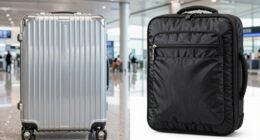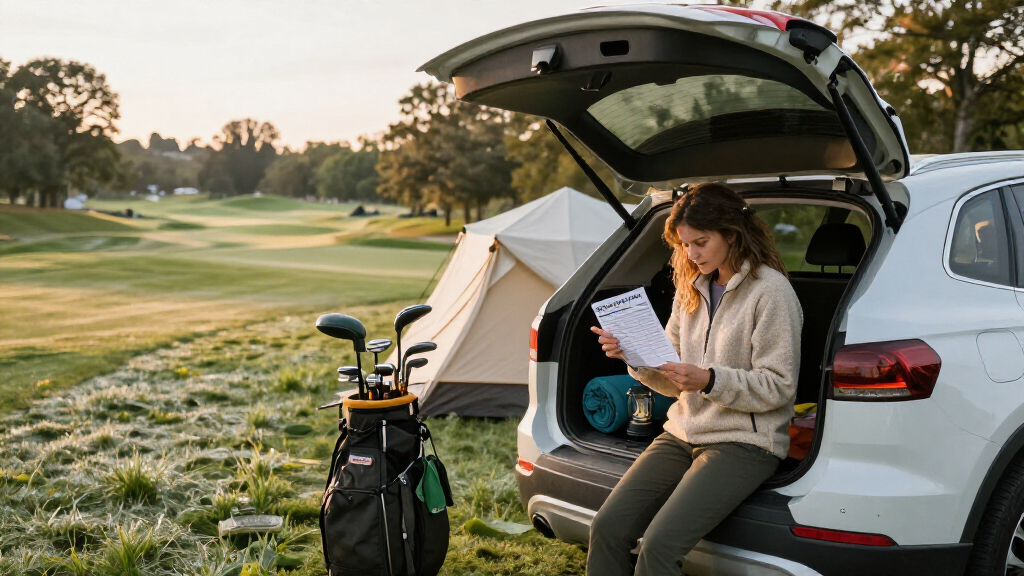
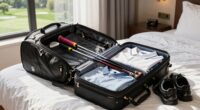
This checklist is for golfers planning a camping weekend who want to keep their gear organized and make room for practice and camp essentials. The golf and outdoor picks cover travel, a practice net, shelter, sleep, power, and lighting.

Get travel and outdoor gear delivered free with Prime
- Fast, free delivery on millions of items
- Prime Video, Amazon Music and more included
- Member-only deals all year
Each section focuses on one slot, with practical points to consider when comparing the named pick to your trip. The checklist format helps you spot fit, setup, and compatibility questions before packing.
Use the look-for points to check the product details against your group size, vehicle space, and campsite setup. Confirm dimensions and included features from the listing, then prioritize the items that support your plans.
Golf Travel Bag
A travel bag is the first slot to consider if your clubs need to go along for the weekend. The Sun Mountain ClubGlider Meridian Golf Travel Bag is the pick here; check its listed dimensions and construction against your clubs and the way you plan to transport them. A bag that is difficult to maneuver or too large for your storage space can complicate packing, so check the details before committing.
A common mistake is assuming every golf travel bag fits every club setup or works equally well for every trip. Compare the bag’s interior length with your longest club, and check how it closes and what protection features are described. Think through where it will ride—in a car, on public transport, or through an airport—and whether its shape suits your available trunk or storage space. Check the listing for handles, wheels, and any instructions about packing clubs. If you bring extra golf gear, verify that it can be packed without crowding the clubs. Keep the bag’s dimensions handy while planning the rest of your load, since camping equipment also competes for room.
What to look for:
- Interior length suited to your longest club
- Overall dimensions that fit your vehicle or storage area
- Listed padding and club-protection details
- Handle and wheel details for your travel route
- Closure and packing instructions
Sun Mountain ClubGlider Meridian Golf Travel Bag

The ClubGlider Meridian is a golf travel bag with a four-wheel rolling system and retractable support legs that carry the bag’s weight for easier maneuvering. Ballistic-style nylon, reinforced areas, and foam padding help protect clubs, while full-length zippers, internal cinch straps, and exterior pockets support loading and storage.
Pros:
- Retractable support legs carry the bag’s weight for easier travel
- Four-wheel system with swiveling front wheels aids maneuverability
- Foam padding and reinforced areas help protect clubs
- Full-length zippers and internal cinch straps make loading and securing clubs convenient
Cons:
- Weighs 11.3 pounds before adding golf clubs
- The description does not specify the bag’s compatibility with different golf bag sizes
Best for: Golfers who need a dedicated bag for transporting clubs
Not ideal for: Travelers whose club setup or storage space does not match the listed dimensions
Bottom line: Check the fit and transport details against your clubs and route before packing.
Portable Golf Net
A portable net can give practice its own place in a golf weekend plan, provided the campsite or practice area has room for it. The named pick is the Net Return Pro Series Large 9 Golf Net, 9×9 ft, Multi-Sport, Auto Ball. Its stated 9-by-9-foot size makes available space a key check: compare the full footprint and any recommended clearance in the product details with the spot where you expect to set it up.
A frequent buying mistake is focusing on the net alone and overlooking the area needed around it. Check the setup instructions, surface requirements, and whether stakes or other mounting pieces are included. Confirm that your intended practice balls and use match the listing, and review what “multi-sport” and “auto ball” mean for this specific model rather than assuming additional features. Consider setup and pack-down alongside the footprint: the net needs to fit both the practice area and your vehicle or camping storage. If you are staying at a shared campsite, make sure the planned location and use fit the site’s rules and leave room for other campers.
What to look for:
- Setup footprint and clearance requirements
- Assembly steps and any tools needed
- Included supports, stakes, or mounting pieces
- Practice ball and use compatibility in the listing
- Packed dimensions for vehicle storage
Net Return Pro Series Large 9 Golf Net, 9×9 ft, Multi-Sport, Auto Ball Return, P

The Net Return Pro Series Large 9 is a professional-grade golf practice net designed for indoor and outdoor use. It features quick assembly, durable construction with aircraft-grade aluminum, and a patented ball return system, making it ideal for serious home practice and integration with golf simulators.
Pros:
- Professional-grade durability and safety for high-speed swings
- Quick, tool-free assembly in just five minutes
- Suitable for indoor and outdoor use with portable design
- Compatible with various golf simulator setups
Cons:
- May require additional space for taller golfers
- Price not specified, potentially expensive for casual users
- Some accessories sold separately
Best for: Golfers with a suitable practice area and room to transport the net
Not ideal for: Campers with limited setup or storage space
Bottom line: Match the net’s setup requirements to the practice spot and your available storage.
Camping Tent
Shelter is central to a camping checklist, so verify that this product matches the role you need it to fill. The supplied pick is named Two-Person Outdoor Shower Enclosure with Lockable Door, Shelves, and H. That title describes a shower enclosure, so check its full listing carefully before treating it as an overnight tent. A privacy enclosure and sleeping shelter may serve different purposes; the product details should establish what is included and how it is intended to be used.
A common mistake is relying on a category label or a partial title instead of checking the actual product. Look for a clear statement that it is designed for sleeping, along with its capacity, dimensions, weather guidance, floor or ground setup, and ventilation details. If you need a two-person sleeping tent, compare its interior space with the people and gear you plan to bring; a stated person capacity does not tell you how comfortable that arrangement will be. Also check setup instructions and packed size against your vehicle and campsite. If the listing confirms this is only a shower enclosure, choose a separate sleeping shelter suited to the trip and use this item only for the purpose it specifies.
What to look for:
- Full product title and intended use
- Clear sleeping-shelter designation if needed
- Capacity and interior dimensions
- Weather, floor, and ventilation details
- Setup instructions and packed dimensions
Two-Person Outdoor Shower Enclosure with Lockable Door, Shelves, and Hooks

This freestanding outdoor shower and changing enclosure measures 88.5 x 46 x 81 inches and includes a lockable privacy door, two storage shelves, and four metal hooks. Its weather-resistant PVC frame is designed for outdoor use, and installation requires drilling; shower fixtures are not included.
Pros:
- Lockable door provides privacy for showering or changing
- Shelves and hooks keep shower essentials organized
- Designed for outdoor use with a weather-resistant frame
Cons:
- Shower fixtures are not included
- Drilling is required for installation
- Heavy at 248 pounds
Best for: Shoppers whose intended use matches the full product listing
Not ideal for: Campers seeking a sleeping tent if this listing is only an enclosure
Bottom line: Confirm that the product is an overnight shelter before relying on it as your tent.
Sleeping Pad
A sleeping pad is worth checking against your sleep setup, the number of campers, and the room available in the tent. The pick is the Therm-a-Rest Basecamp Self-Inflating Camping Sleeping Pad. Review its listed dimensions and packed size, then compare them with the tent floor and your vehicle storage. A pad that does not fit the available sleeping area can make the rest of the setup harder to arrange.
A common mistake is choosing by the phrase “self-inflating” alone without confirming how the pad is prepared and packed away. Check the product instructions for inflation, deflation, and care, and make sure the process suits the time and equipment you have at camp. Compare the pad’s width and length with the sleeper who will use it, and check whether you need one pad per person. Consider packed bulk and storage alongside sleeping dimensions, especially if clubs, bags, and tent gear share the same vehicle. Review the listing for thickness and material details if those matter to your comfort or intended surface, rather than assuming them from the product name.
What to look for:
- Length and width suited to the sleeper
- Fit within the tent’s usable floor area
- Packed dimensions and storage needs
- Inflation and deflation instructions
- Listed thickness and care details
Therm-a-Rest Basecamp Self-Inflating Camping Sleeping Pad
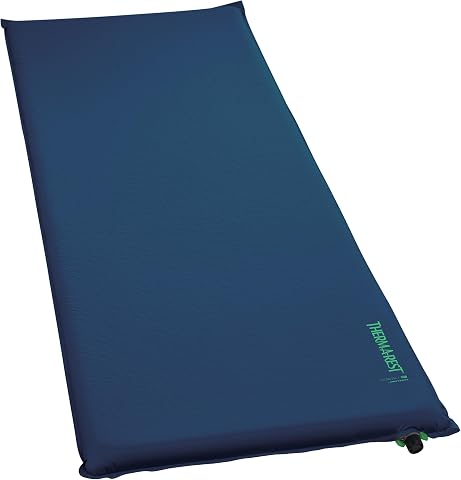
The Therm-a-Rest Basecamp is a self-inflating sleeping pad designed for camping, offering quick inflation with its WingLock valve and year-round insulation with a 6 R-value. It provides a warm, comfortable sleep surface with eco-friendly features and easy packing.
Pros:
- Fast self-inflation with WingLock valve
- Excellent insulation for year-round use
- Eco-friendly, PFAS-free coating
- Comfortable and spacious for XL size
Cons:
- Heavy for backpacking trips
- Requires 2-4 hours to fully inflate and acclimate
- Bulkier when packed compared to ultralight pads
Best for: Campers whose tent and storage space fit the pad’s listed dimensions
Not ideal for: Travelers who cannot accommodate its packed size
Bottom line: Match the pad’s sleeping dimensions and packed size to your tent and transport plan.
Portable Power Station
Portable power is a planning question: identify what you expect to charge or run, then compare those needs with the product’s specifications. This checklist names the Jackery HomePower 3600 Plus Portable Power Station, 3584Wh, 3600W. The title provides capacity and output figures, but the listing should clarify usable output, available ports, and charging methods for your intended devices.
A common mistake is treating a large capacity figure as proof that every appliance will work or that power needs are covered for the whole trip. Make a short device list and check each item’s draw, connector, and required charging time against the station’s stated specifications. Review how the unit is recharged, how much space it takes, and whether its handling suits your campsite and vehicle. Pay particular attention to device compatibility and the connection types you need. If the product listing does not clearly answer whether a planned device is supported, do not assume it is. Keep the station’s dimensions and charging accessories in mind when dividing limited packing space among camping and golf gear.
What to look for:
- Output and capacity details in the full listing
- Ports that match your devices and cables
- Compatibility with planned appliances
- Available charging methods and included accessories
- Dimensions and handling for transport
Jackery HomePower 3600 Plus Portable Power Station, 3584Wh, 3600W

The Jackery HomePower 3600 Plus is a portable battery power station with 3584Wh capacity and 3600W output for home backup, RV use, and emergencies. It supports AC, solar, gas generator, and hybrid charging, and its capacity can be expanded with compatible units.
Pros:
- High 3600W output and 3584Wh capacity for backup power
- Supports multiple charging methods, including solar
- Expandable capacity
- Wheels and telescopic handle make it easier to move
Cons:
- Weighs 77.2 lbs
- Solar panel is optional
Best for: Campers whose device list matches the station’s listed output and ports
Not ideal for: Travelers who need unlisted connections or cannot transport its size
Bottom line: Check device draw, ports, and charging options against your actual power needs.
Camping Lantern
A lantern gives the campsite a dedicated light source, and the checklist pick is the Coleman Classic Rechargeable LED Lantern with Carabiner Handle & Charg. Because the product name is truncated, open the full listing to confirm the complete model and its included features. Check how it recharges and what cable or other charging accessories come with it, so you can plan how it will be ready for the trip.
A common buying mistake is assuming the light output, runtime, weather suitability, or hanging hardware from a partial product name. Use the listing to verify those details and compare them with how you plan to use the lantern: hanging in a tent or carrying it around camp may call for different features. Confirm what the carabiner handle attaches to and whether the stated design fits your setup. Check dimensions and charging instructions, and consider whether you need additional lighting for separate areas. If the lantern shares a charging plan with other devices, make sure the required cable and power source are part of your packing list. Treat unlisted details as open questions until the full listing answers them.
What to look for:
- Full model name and complete product listing
- Charging method and included cable or accessories
- Listed runtime and light settings
- Weather guidance and hanging instructions
- Size and suitability for your campsite use
Coleman Classic Rechargeable LED Lantern with Carabiner Handle & Charging Ports

A rechargeable LED lantern delivering up to 800 lumens with three brightness settings and up to 45 hours of runtime on low. The IPX4 water-resistant, impact-resistant design features a built-in 4800 mAh lithium-ion battery, a bail handle with carabiner for hanging, and a USB port to charge personal devices.
Pros:
- Long runtime of up to 45 hours on low setting
- Built-in USB charging port for personal devices
- Durable, water-resistant and impact-resistant construction
- 3-year limited warranty
Cons:
- Only about 5 hours of runtime on the highest (800 lumen) setting
Best for: Campers seeking a rechargeable lantern with confirmed listing details
Not ideal for: Buyers who need unverified runtime, weather, or accessory specifics
Bottom line: Confirm the full model and charging details before adding it to your camp kit.
Build your packing order around the essentials that determine whether the trip works: first confirm a suitable sleeping shelter, then check your sleep setup and transport capacity. Add the golf travel and practice gear once you know it fits alongside camping equipment. Choose power and lighting after listing what you plan to charge and how you will use the campsite.
Use the product listings to resolve any open questions about dimensions, setup, and compatibility, especially where a title is incomplete or the product’s intended role needs confirmation. With a few fit checks before packing, you can shape the checklist around your group, route, and camp plans. Enjoy the golf and the time outdoors.
Fall Picks

DJI Osmo Action 5 Pro Essential Combo Waterproof 4K Action Camera
As an affiliate, we earn on qualifying purchases.