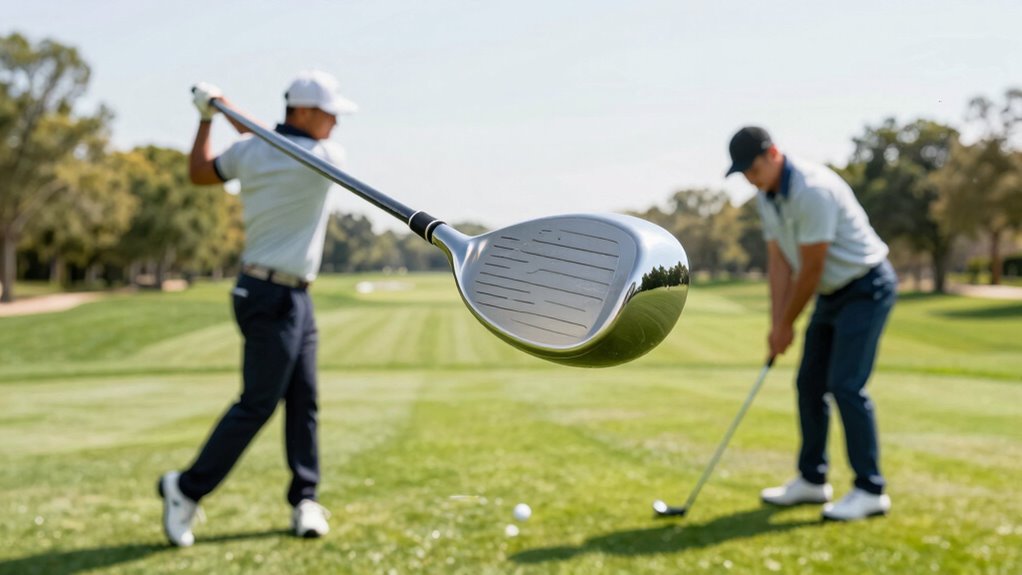

Some golf advice works only for elite players because it’s based on skills and mental resilience that come with years of experience. Elite players analyze risk, choose smarter shots, and stay calm under pressure. They can adapt strategies to match course conditions and avoid costly mistakes. As a golfer, developing these abilities takes time and practice. Stick with it, and you’ll find out how strategic and mental growth can elevate your game beyond basic tips.

Get travel and outdoor gear delivered free with Prime
- Fast, free delivery on millions of items
- Prime Video, Amazon Music and more included
- Member-only deals all year
Key Takeaways
- Elite players possess advanced course management skills that prioritize strategic shot selection over power.
- They have developed mental resilience and focus, enabling better decision-making under pressure.
- Their experience allows them to judge risk and reward effectively, which novice players often overlook.
- Adaptation to course conditions and weather is more refined among elites, affecting advice applicability.
- Many tips focus on technical improvements, which are less impactful without the mental and strategic foundation of elite players.

Not all golf advice applies equally to every player, especially when it comes to elite tips. For most amateurs, tips about course management and mental toughness may seem straightforward, but they’re often rooted in skills that only top-tier players have refined over years of experience. When you’re trying to lower your scores, understanding this distinction can help you focus on what really matters at your current level. Elite players, for example, excel at course management—they know when to play it safe and when to go for broke. They analyze every shot’s risk and reward, adjusting their strategy based on the course layout, weather, and their own strengths. For you, developing better course management means not just hitting the ball hard every time but making smarter decisions on the course. It’s about choosing the right club for the situation and avoiding unnecessary risks that could lead to big numbers. This skill is often overlooked by amateurs who might be tempted to chase those dramatic shots, but for elite players, it’s a cornerstone of consistent scoring. Recognizing the importance of strategic thinking can help you prioritize smarter shot choices over powerful ones. Moreover, understanding the mental aspects of golf can significantly influence your performance and enjoyment of the game. Developing a clear game plan before each hole can also aid in executing better decisions under pressure.
Mental toughness is another area where advice often differs in its applicability. Elite players are almost always better at staying calm under pressure, maintaining focus through tough holes, and bouncing back from bad shots. They’ve trained their minds to stay in the present moment instead of dwelling on past mistakes or worrying about future scores. For you, building mental toughness involves practicing routines that keep your emotions in check and developing resilience to setbacks. It’s not about pretending to be unshakable but learning to accept mistakes and move forward without letting them ruin your round. You might find that watching elite players handle pressure gives you insight, but replicating their mental game takes deliberate effort and time. Unlike top professionals, amateurs often get caught up in frustration or overthinking, which hampers their performance more than any technical flaw. Cultivating patience and a positive mindset can also contribute greatly to your overall improvement.
Both course management and mental toughness are skills that are honed through experience and deliberate practice. While some advice from pros can be inspiring, you need to adapt it to your current skill level. Trying to emulate an elite player’s shot selection or mental state without the same foundation will only lead to frustration. Instead, focus on developing your strategic thinking and emotional resilience gradually. Over time, these qualities will help you play smarter and stay more consistent, making your game more enjoyable and less stressful. Remember, golf isn’t just about technique; it’s about managing yourself and the course intelligently. That’s where the real difference between amateurs and elite players lies.
As an affiliate, we earn on qualifying purchases.
Frequently Asked Questions
How Do Beginner Golfers Identify Effective Advice for Their Skill Level?
To identify effective advice for your skill level, start with a honest skill assessment—know where you stand on fundamentals like grip, stance, and swing. Seek advice tailored to beginners, focusing on simple, achievable techniques. Avoid complex tips meant for advanced players. Listen to instructors or resources that match your current abilities, and be willing to adapt as you improve. Effective advice aligns with your skill, helping you progress steadily and confidently.
Can Advice for Elite Players Be Adapted for Amateur Golfers?
Think of expert adaptation like translating a foreign language—what works perfectly for an elite player may need tweaking for you. Skill transfer isn’t automatic; it requires adjustments based on your abilities. You can adapt elite advice by focusing on fundamentals and scaling techniques to your level. With patience, you’ll find that some strategies, like proper grip or stance, translate well, helping you improve steadily.
What Psychological Factors Influence the Effectiveness of Golf Advice?
Psychological factors like mental resilience and confidence building considerably influence how effective golf advice is for you. If you’re mentally resilient, you can better handle pressure and setbacks, making advice more impactful. Confidence boosts your trust in the technique, encouraging consistent execution. When your mind is focused and positive, you’re more receptive to advice, allowing you to adapt and improve your game more effectively.
Are There Specific Training Methods for Improving Beginner Golf Skills?
Think of your golf journey as planting seeds for a sturdy tree. To improve, focus on beginner-friendly training methods like practicing proper swing mechanics and grip techniques. Start with slow, deliberate swings, emphasizing correct form, then gradually increase speed. Use drills designed for beginners, like mirror practice or short game exercises. Consistent, mindful practice builds a solid foundation, helping you develop confidence and skill as you grow into a better golfer.
How Does Equipment Choice Impact the Applicability of Golf Advice?
Your equipment choice greatly impacts how applicable golf advice is to you. Equipment customization allows you to tailor clubs and gear to your swing style, making certain tips more effective. Technology integration, like launch monitors and fitting tools, helps you optimize your setup. When your equipment suits your skill level and physical attributes, advice becomes more relevant and easier to implement. This personalized approach ensures you get the most out of your practice and game.
mental toughness training for golfers
As an affiliate, we earn on qualifying purchases.
As an affiliate, we earn on qualifying purchases.
Conclusion
You might think that practicing elite-level advice will instantly improve your game, but the truth is, it’s tailored for players with refined skills and experience. Don’t get discouraged if it doesn’t work right away—everyone starts somewhere. Focus on building your fundamentals first, then gradually incorporate advanced tips as your skills develop. Remember, even the pros had to learn step by step, so stay patient and keep practicing—you’ll see progress in time.
golf shot selection training aids
As an affiliate, we earn on qualifying purchases.
As an affiliate, we earn on qualifying purchases.
As an affiliate, we earn on qualifying purchases.
Halloween Picks
halloween
As an affiliate, we earn on qualifying purchases.