

To create a strong golf foundation, focus on developing consistent swing mechanics through deliberate practice of grip, stance, and follow-through until they become habits. Work on mental resilience by staying focused, positive, and managing emotions during play. Incorporate quality practice with feedback and pressure drills, while building long-term habits like pre-shot routines and goal-setting. Enhancing physical fitness and understanding biomechanics will boost efficiency and reduce injury risk. Keep building these core areas, and you’ll see lasting improvement; more strategies await.

Get travel and outdoor gear delivered free with Prime
- Fast, free delivery on millions of items
- Prime Video, Amazon Music and more included
- Member-only deals all year
Key Takeaways
- Develop consistent, deliberate practice routines focusing on fundamental mechanics, mental skills, and targeted feedback.
- Build mental resilience through routines, positive mindset, and viewing mistakes as learning opportunities.
- Incorporate physical fitness and biomechanics understanding to enhance swing efficiency and prevent injuries.
- Set realistic goals and focus on steady progress to foster long-term growth and confidence.
- Seek ongoing feedback, record performances, and adjust practices to ensure continuous improvement.
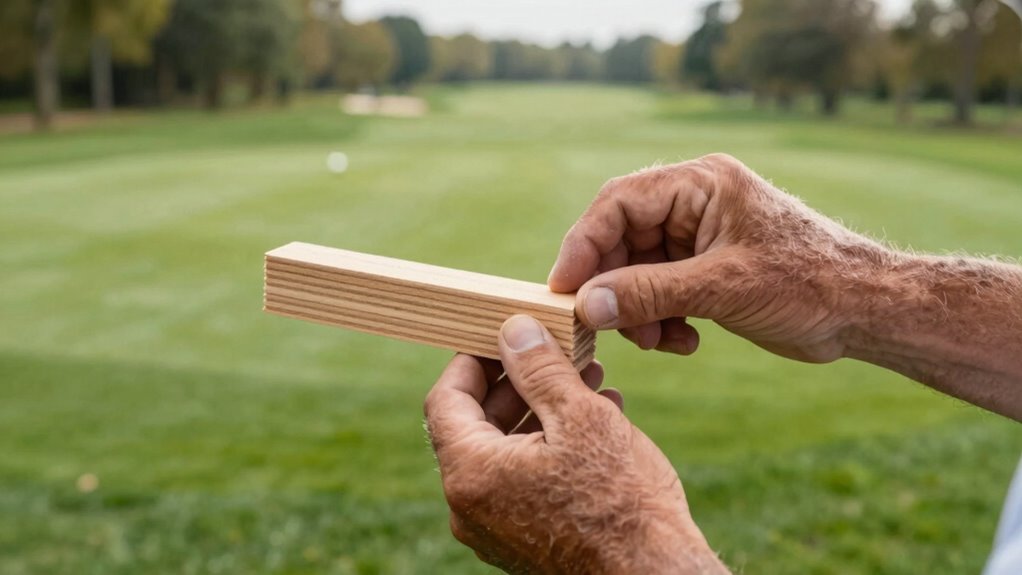
Have you ever wondered what sets great golfers apart from the rest? The answer lies in the foundation you build—your swing mechanics and mental resilience. Developing a strong base in these areas isn’t just about quick fixes or flash-in-the-pan techniques; it’s about creating habits and mental toughness that support long-term improvement. When you focus on refining your swing mechanics, you gain consistency and control. Every element, from grip and stance to follow-through, should be deliberate and practiced repeatedly until it becomes second nature. You want to understand how your body moves through each shot, allowing you to make adjustments with confidence. This means paying close attention to details like tempo, balance, and alignment. Proper swing mechanics form the core of your game, helping you hit more accurate shots and reducing the chance of injury. But mechanics alone aren’t enough; your mental resilience plays a critical role in maintaining performance over time. Golf can be frustrating, and setbacks are inevitable, but your ability to stay focused, composed, and positive during difficult holes or bad rounds determines your growth. Building mental resilience involves developing routines that keep you centered, managing your emotions, and approaching each shot with a clear mind. It’s about shifting your mindset from frustration to learning, viewing mistakes as opportunities to improve rather than failures. This mental toughness sustains your motivation through the inevitable ups and downs of the game. To create a solid foundation, you should also prioritize consistent practice. Focus on quality over quantity, ensuring each session targets specific aspects of your swing and mental approach. Incorporate drills that challenge your mechanics and simulate pressure situations to build resilience. Remember, the goal isn’t perfection but steady progress. Seek feedback from coaches or experienced players, and record your performances to track improvements and identify areas needing attention. Patience is key—long-term success comes from persistent effort over time. Cultivate a growth mindset, believing that your skills can always improve with dedication. Moreover, develop pre-shot routines and mental cues that help you stay relaxed and focused before each shot. Combine this with physical fitness tailored to golf, which enhances your swing mechanics and endurance. Developing a comprehensive understanding of your swing and mental approach, rooted in knowledge about biomechanics and psychology, will accelerate your progress. Additionally, understanding the importance of consistent practice helps you develop good habits and avoid plateaus. Recognizing the significance of biomechanics in your swing can improve your efficiency and reduce injury risk. To stay motivated, it’s also helpful to set realistic goals that guide your development and keep you focused on continuous improvement. Over time, these habits become ingrained, creating a dependable foundation that supports continuous improvement. The effort you put into understanding and strengthening your swing mechanics and mental resilience today will pay dividends in the future. Remember, creating a strong golf foundation isn’t about quick wins; it’s about consistent, deliberate effort that builds confidence, skill, and mental toughness—traits that will serve you well on every course you play.
As an affiliate, we earn on qualifying purchases.
Frequently Asked Questions
How Long Does It Typically Take to Build a Solid Golf Foundation?
It typically takes several months to a year to build a solid golf foundation, depending on your dedication. During this time, you focus on improving swing mechanics and course management skills. Consistent practice, lessons, and real-game experience help you develop a reliable swing and strategic thinking. Remember, steady progress and patience are key to long-term improvement, so stay committed and keep refining your fundamentals over time.
What Common Mistakes Hinder Long-Term Golf Improvement?
You often hinder long-term golf improvement by neglecting swing mechanics and course strategy. Poor swing mechanics lead to inconsistent shots, while ignoring course strategy causes risky decisions that increase scores. Focus on refining your swing through proper technique and understanding course management. Avoid rushing practice or ignoring feedback, as these mistakes prevent steady progress. Consistently working on both swing mechanics and course strategy builds a solid foundation for sustained improvement.
How Often Should I Reassess My Golf Foundation Strategies?
You should reassess your golf foundation strategies every few months, especially focusing on swing mechanics and course management. Regular check-ins help you identify areas needing improvement and keep your skills sharp. As your game evolves, adapt your approach to maintain steady progress. Keep a close eye on how your swing feels and your decision-making on the course, making adjustments as needed to guarantee long-term improvement and a solid foundation.
Can a Weak Mental Game Impact My Golf Foundation?
A weak mental game can be the shaky foundation that causes your golf house to crumble. It impacts your mental resilience and confidence-building, making it difficult to stay focused under pressure. When your mind wavers, your swing suffers, and progress stalls. Strengthening your mental game is like planting sturdy roots—ensuring your golf foundation remains solid, even when the course gets tough. Prioritize mental resilience for long-term improvement.
What Role Does Physical Fitness Play in Foundation Development?
Physical fitness plays a vital role in building a strong golf foundation. You should focus on core stability to enhance your balance and power during swings. Incorporating flexibility training helps prevent injuries and improves your range of motion, making your movements more efficient. By strengthening your core and increasing flexibility, you set a solid base for consistent performance and long-term improvement in your game.
golf grip and stance training equipment
As an affiliate, we earn on qualifying purchases.
As an affiliate, we earn on qualifying purchases.
Conclusion
Building a solid golf foundation isn’t just about technique; it’s about consistency and patience. Did you know that golfers who focus on fundamentals see a 30% faster improvement rate? Stay committed to your practice, prioritize fundamentals, and keep learning. With perseverance, your game will strengthen over time, leading to long-term success. Remember, every great golfer started with a strong foundation—yours can be no different. Keep pushing forward, and your best game is within reach.
golf mental resilience training tools
As an affiliate, we earn on qualifying purchases.
As an affiliate, we earn on qualifying purchases.
golf fitness and biomechanics equipment
As an affiliate, we earn on qualifying purchases.
As an affiliate, we earn on qualifying purchases.
Halloween Picks
halloween
As an affiliate, we earn on qualifying purchases.